
Prevention Strategies
Preventing wasps from invading your outdoor space involves a few strategic steps:
Food Storage and Cleanliness
Keep all food covered and sealed when not in use. This includes buffet stations and bar snacks. Wasps are drawn to even the smallest crumbs or spills, so thorough and regular cleaning is essential. For detailed advice on effective food management, check our guide on how to prevent wasps.
Waste Management
Ensure rubbish bins are securely closed and emptied frequently. Food waste is a major attraction for wasps, so maintaining cleanliness around waste areas can deter them.
Wasp Proofing
Regularly inspect and seal any potential nesting sites around your establishment. Wasp nests can often be found in hidden corners or under eaves. If you find a nest, it’s crucial to address it promptly. For guidance on dealing with nests, our article on how to get rid of a wasps nest is a useful resource.
Immediate Actions for Dealing with Wasps
When wasps have started causing problems in your outdoor dining area, it’s crucial to handle the situation quickly and effectively to keep your guests comfortable and safe. Here’s a straightforward approach to managing a wasp issue as soon as it arises:
Stay Calm and Inform Your Team
It’s important to remain calm because wasps can sense agitation and may become more aggressive if they feel threatened. Let your staff know about the wasp issue and how they should handle it. Make sure they understand to avoid swatting at the wasps or making sudden movements, as these actions can provoke them. Instead, instruct them to stay still and move away slowly if a wasp approaches. Clear communication will help ensure everyone handles the situation effectively.
Use Traps and Bait Stations
Set up wasp traps and bait stations around the perimeter of your outdoor dining area, away from where your guests are sitting. These traps are designed to attract and capture wasps, reducing their numbers around your customers. Ensure you place the traps strategically to intercept wasps before they reach the dining spaces. Regularly check the traps and bait stations to empty them and replace the bait as needed. This will keep the traps working effectively and help control the wasp population.
Clean Up Spills Immediately
Wasps are particularly attracted to sugary and greasy substances, so it’s crucial to clean up any food or drink spills as soon as they occur. Make sure your staff is on top of this task, wiping down surfaces and ensuring that no crumbs or residues are left behind. Keeping your outdoor area clean will help minimise wasp attraction and make your dining environment more pleasant for your guests. Regular inspections and swift cleanup are key to preventing wasps from becoming a persistent problem.
Long-term Solutions and Safety Considerations
Staying on top of safety and compliance is vital when managing pests like wasps. Ensure all pest control methods adhere to local regulations, including the Control of Pesticides Regulations (COPR) and Health and Safety Executive (HSE) standards. Handle chemicals only if you have the proper training, dispose of them safely, and carry out pest control discreetly to avoid disrupting your customers. Following these guidelines not only keeps you compliant with the law but also ensures a safer and more pleasant environment for everyone. For more insights on maintaining a safe and compliant environment, visit our hospitality page.
When it comes to handling a wasp problem, sometimes the best approach is to bring in the experts. Professional pest control services provide tailored solutions and conduct regular inspections to effectively manage and reduce wasp populations. This proactive approach helps keep your pub or restaurant protected from infestations, stopping small issues from turning into big problems.
Contact us
As your trusted pest control team, we’re here to help keep your outdoor dining area wasp-free. Whether you need expert advice or customised solutions, we’ve got you covered.
Related articles
View all articles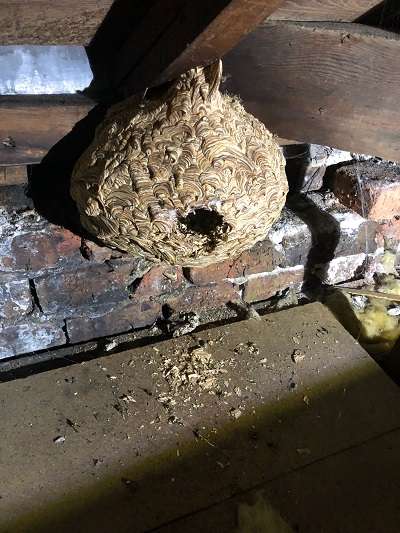
Identifying wasp activity
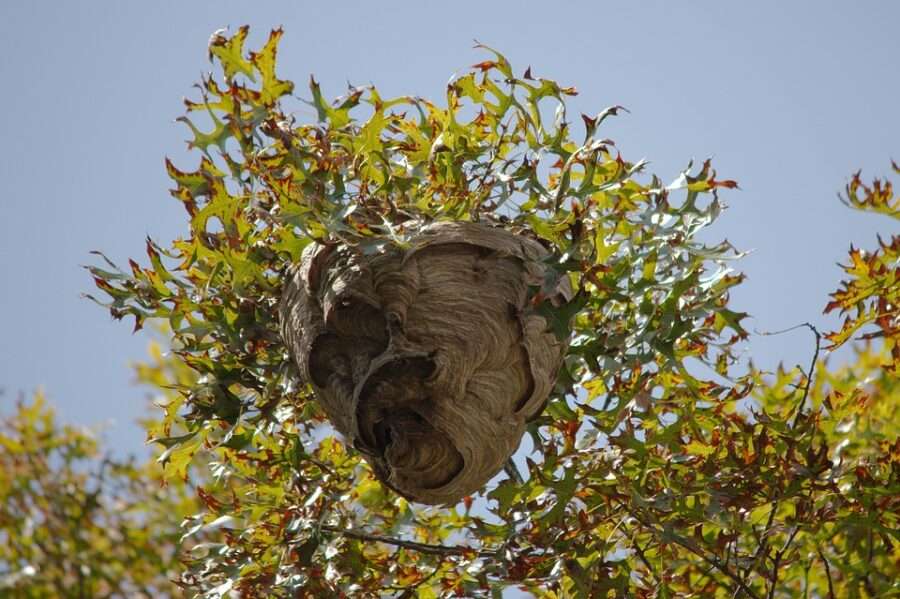
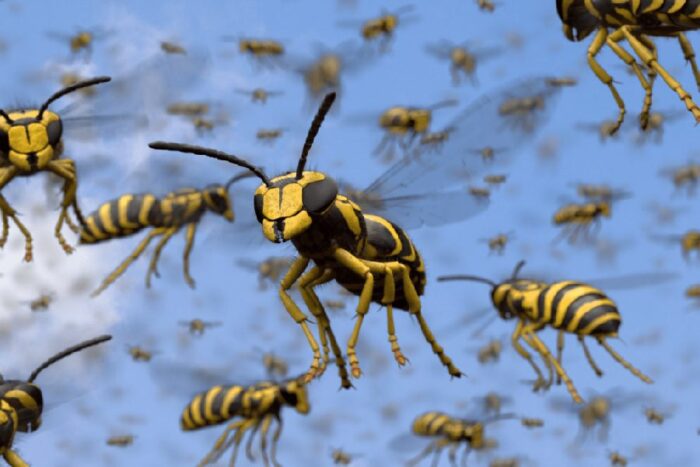
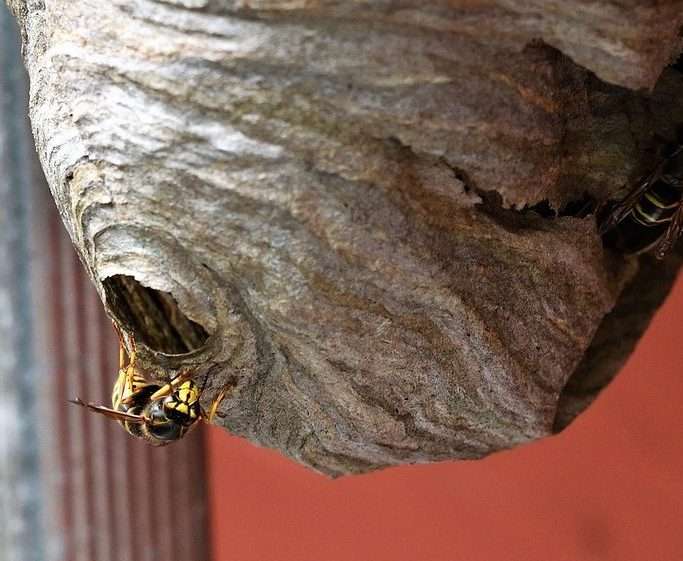
To determine if the wasps are just visiting or if there’s a hidden nest on your property, keep an eye out for continuous flight paths. Wasps usually follow a direct route back to their nest. Observing their patterns might help you locate a nest that’s not immediately visible. This is crucial information that can assist in how to get rid of a wasps nest effectively.
What can you do about it?
Sometimes, there are instances where professional wasp nest removal is the only sensible option.
Monitor & identify
Spend some time watching the wasps’ patterns. Note whether wasps disappear into small openings in the ground or walls, which could indicate the location of a nest.
Prevention
There are measures you can take to make your property less appealing to wasps. Managing waste and sealing bins, ensuring pet food is not left out and avoiding planting certain types of flowers can help reduce wasp visits.
Professionals
If you suspect there might be a nest or if the number of wasps becomes overwhelming, it’s essential not to try removing them yourself. Attempting to handle wasps without expertise can lead to aggressive swarms and potential stings, posing significant health risks.
Conclusion
At MJ Backhouse we use safe, effective methods to not only remove existing nests but also prevent future infestations. If you’re dealing with a wasp problem and can’t locate the nest, don’t let the situation worsen. Contact us as soon as possible for a thorough inspection and expert removal. Our targeted services ensure that your wasp worries are handled professionally and safely, giving you peace of mind.
Contact us
If you’re looking for a professional and dependable pest control partner for your business, MJB Pest Control is here to help. Contact us today to discuss your specific needs and find out how we can help keep your premises pest-free.
Related articles
View all articles
1. Health and Safety First
Health and safety are paramount in any school environment. Pests like mice, cockroaches, and flies can spread diseases, trigger allergies, and introduce contaminants into clean areas. Professional pest control helps ensure that schools remain safe spaces for learning by controlling these risks consistently and effectively. This is particularly important in maintaining compliance with The Health & Safety at Work Act 1974, which obliges schools to ensure the health, safety, and welfare of their pupils and staff.
2. Protecting the School Infrastructure
School buildings are significant investments and need to be protected from pests like termites that damage wooden structures, and rodents that can chew through cables and building materials. Regular pest control not only addresses these issues but also helps in complying with The Prevention of Damage by Pests Act 1949, which requires property owners to keep premises pest-free to avoid substantial damage.
3. Safeguarding Food Hygiene in Dining Areas
School dining areas must adhere to stringent food safety standards, as outlined in The Food Safety Act 1990 and The Food Hygiene (England) Regulations 2006. These laws mandate that all areas where food is prepared and consumed must be kept free from contaminants, including pests. Regular pest control services ensure these dining spaces remain hygienic, preventing foodborne illnesses and ensuring a healthy eating environment for students.
4. Addressing Seasonal and Long-Term Closures
Schools often remain empty during holidays and long breaks, which can lead to unchecked pest infestations. Professional pest control can provide monitoring and maintenance that prevent pests from settling in during these quieter periods, ensuring the environment is clean and safe upon the return of students and staff.
5. Cost-Effective Management
Regular pest control is an investment in the school’s long-term wellbeing. It helps avoid the larger costs associated with extensive pest infestations and the health issues they can cause. Early detection and regular maintenance by professionals can save substantial repair costs in the future.
Given the strict regulations and the unique vulnerabilities of school environments to pest problems, having a proactive pest management strategy is essential. Learn more about how our pest control services can be customised for educational institutions here.
If you need personalised advice, get in touch with us. At MJ Backhouse, we’re here to ensure that your school remains healthy and conducive to learning all year round.
Contact us
If you’re looking for a professional and dependable pest control partner for your business, MJB Pest Control is here to help. Contact us today to discuss your specific needs and find out how we can help keep your premises pest-free.
Related articles
View all articles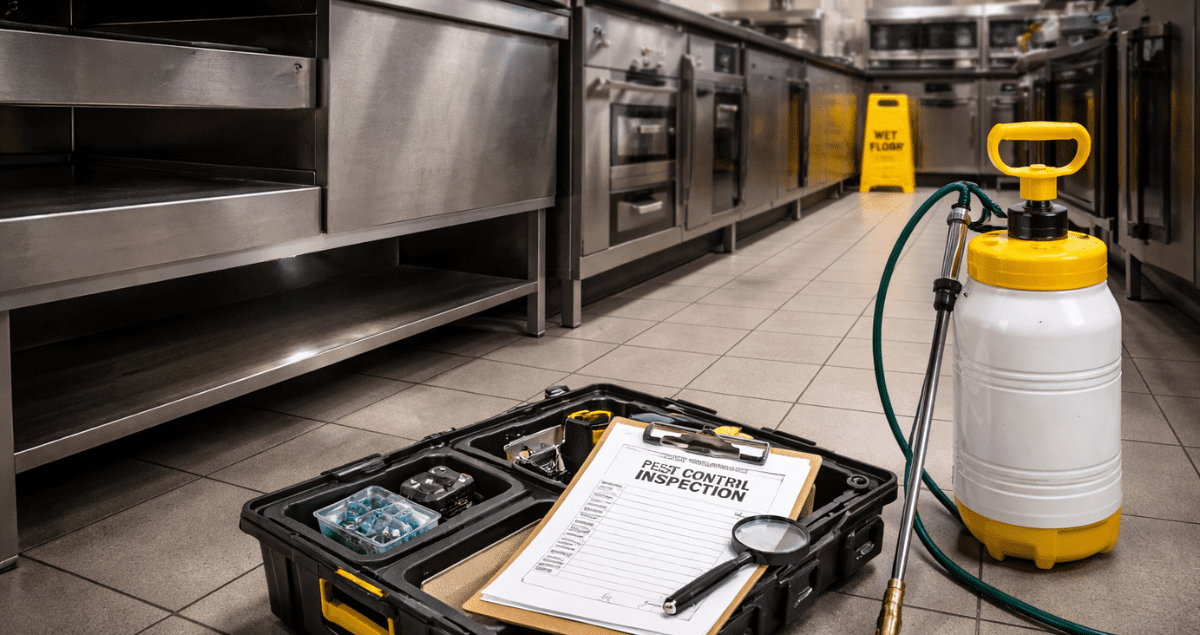
1. Cockroaches
Cockroaches are notorious for their resilience and ability to thrive in warm, humid environments such as commercial kitchens. They pose significant health risks by contaminating food and surfaces with bacteria and allergens. To combat cockroach infestations:
- Inspection and Identification: Regularly inspect areas around sinks, drains, and food preparation stations for signs of cockroach activity, such as droppings or shed skin.
- Sanitation Practices: Maintain impeccable cleanliness by eliminating food debris, grease, and standing water that attract cockroaches.
- Sealing Entry Points: Seal cracks and crevices in walls, floors, and around plumbing to prevent cockroaches from entering the kitchen.
- Professional Treatment: Engage a licensed pest control service to apply targeted treatments and baits that effectively eliminate cockroaches while adhering to health and safety regulations. Learn more about the importance of professional pest control services for commercial businesses.
2. Rodents
Rodents like rats and mice are adept at foraging for food and can quickly become a severe problem in commercial kitchens. They contaminate food supplies, damage structures, and spread diseases through their droppings and urine. Key strategies for rodent control include:
- Exclusion: Seal all possible entry points with durable materials such as steel wool or metal plates. Pay special attention to gaps around utility pipes and vents.
- Sanitation Practices: Keep food storage areas clean and organised, ensuring that food is stored in sealed, rodent-proof containers.
- Trapping and Baiting: Deploy traps and bait stations strategically in areas frequented by rodents. Regularly monitor and replenish baits as needed.
- Monitoring: Conduct regular inspections for signs of rodent activity, such as gnaw marks, droppings, or nests, and take immediate action to address any infestations.
3. Flies
Flies are not only a nuisance but also potential vectors for diseases as they can transmit pathogens picked up from unsanitary surfaces to food and food preparation areas. Effective fly control measures include:
- Exclusion: Install fly screens on windows and doors to prevent flies from entering the kitchen.
- Sanitation: Maintain clean drains, rubbish bins, and disposal areas to eliminate breeding grounds for flies.
- Fly Traps: Utilise fly traps and insect light traps (ILTs) strategically to capture flies and reduce their population indoors.
- Professional Advice: For comprehensive fly control solutions tailored to your kitchen’s layout and needs, consult with pest control professionals who specialise in commercial settings.
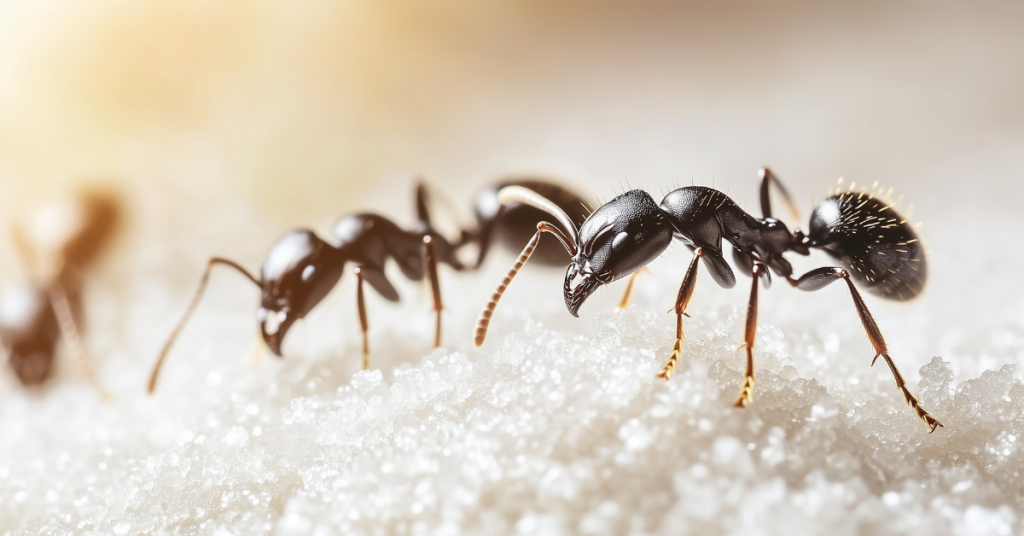
4. Ants
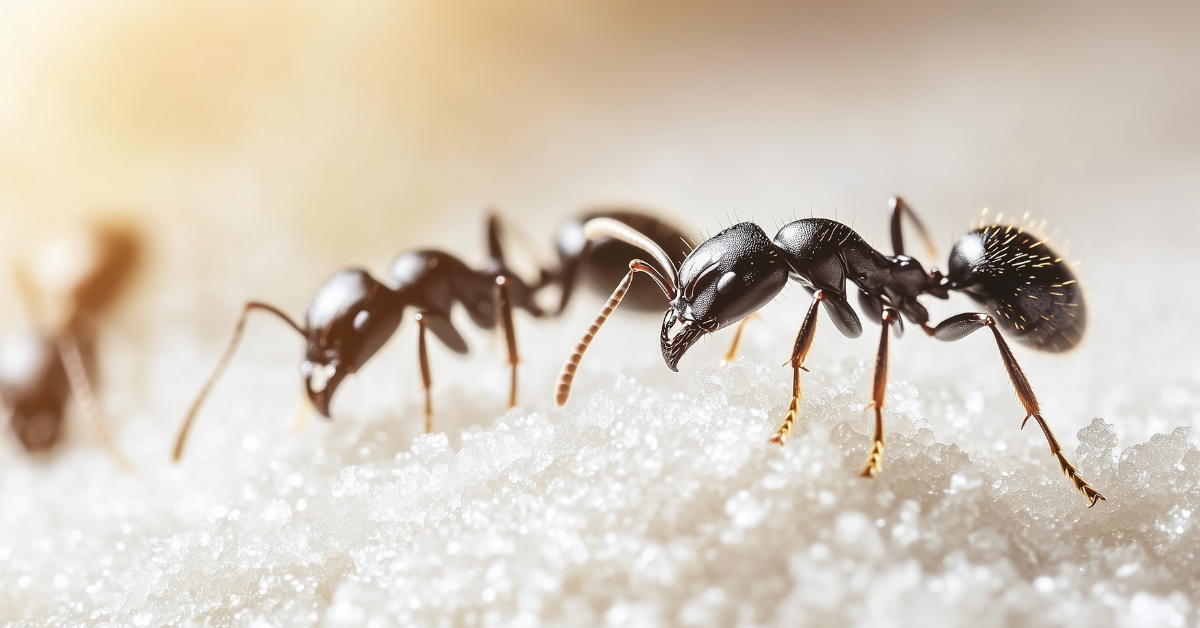
Ants are attracted to food spills, sugary residues, and greasy surfaces commonly found in commercial kitchens. They can quickly establish colonies and become a persistent problem. Effective ant control strategies include:
- Source Elimination: Clean spills promptly and maintain a rigorous cleaning schedule to remove food crumbs and residues that attract ants.
- Seal Entry Points: Seal cracks and gaps in walls, windows, and doors to prevent ants from entering the kitchen.
- Ant Baits: Use ant baits placed near trails and entry points to attract and eliminate ants. Monitor baits regularly and replace them as needed.
Maintaining a pest-free environment in a commercial kitchen requires diligence, proactive measures, and expert assistance. By implementing these detailed strategies for cockroaches, rodents, flies, and ants, kitchen managers can effectively protect their establishment’s reputation and ensure compliance with health and safety standards.
If you need immediate assistance safeguarding your commercial kitchen against pests, reach out to us today to schedule a consultation. We’ll customise a pest management plan tailored to your specific needs, protecting your business, customers, and reputation with our specialised pest control solutions.
Contact us
If you’re looking for a professional and dependable pest control partner for your business, MJB Pest Control is here to help. Contact us today to discuss your specific needs and find out how we can help keep your premises pest-free.
Related articles
View all articles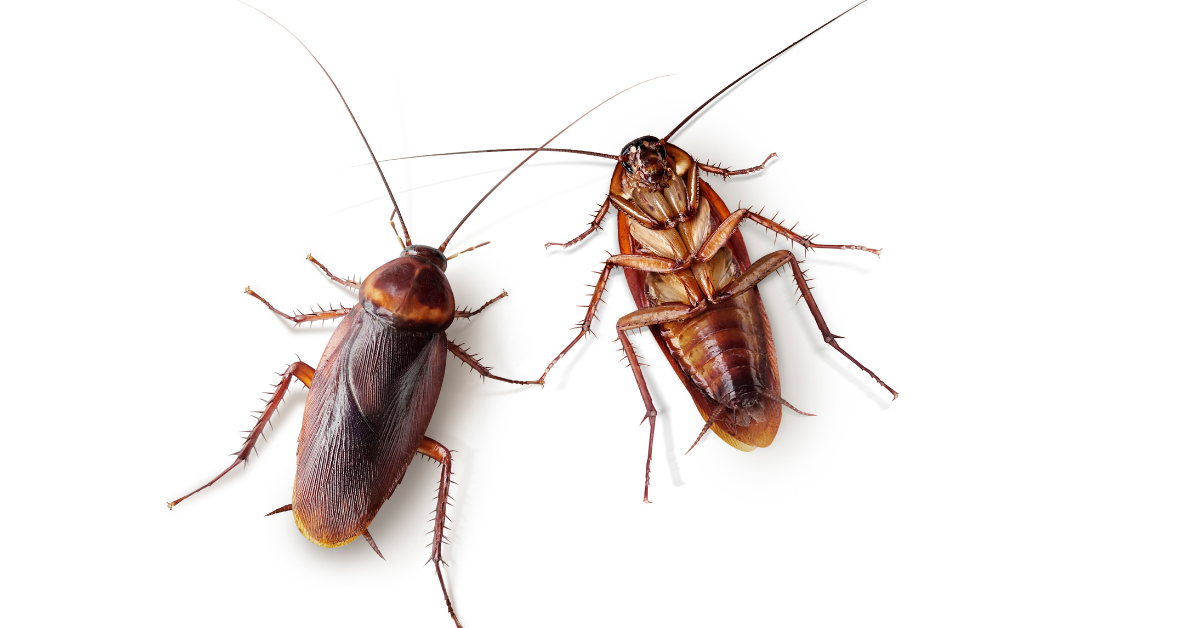

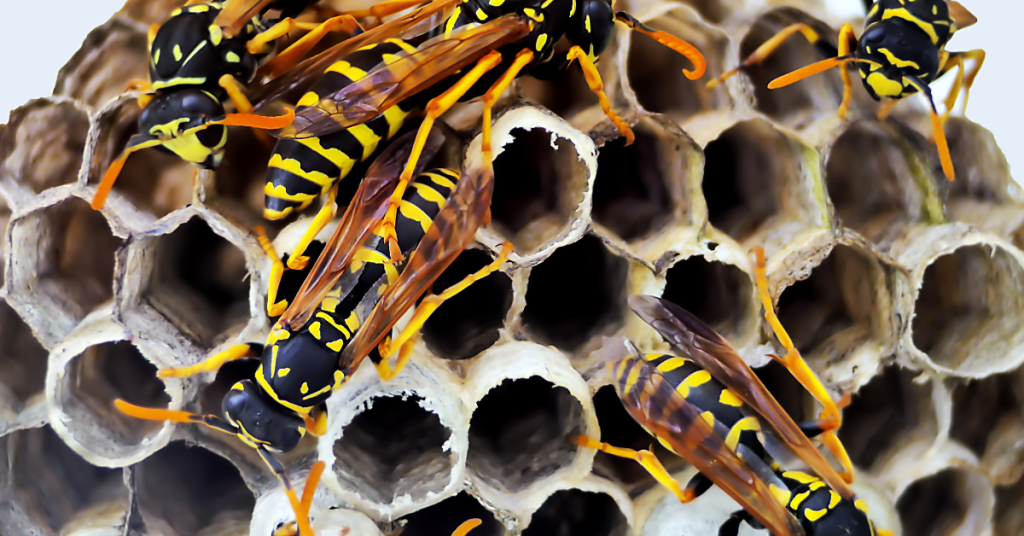
The Life Cycle of a Wasp
A wasp’s year begins in spring when the temperature rises and a fertilised female (queen) emerges from hibernation (or technically, diapause). Her first task is to find a suitable location to build a nest. Materials like chewed wood pulp and saliva are used to construct the nest, which often starts as a few cells in which to lay eggs. The queen lays her first batch of eggs, which hatch into larvae and are fed by the queen until they mature into worker wasps. These workers then take over the job of expanding the nest and caring for subsequent offspring produced by the queen. By the end of summer, a nest can house thousands of wasps.
Do Wasps Move Their Nests?
The simple answer is no; wasps do not typically move their nests once established. If a nest becomes severely damaged or disturbed, wasps may abandon it to start anew elsewhere, but they do not physically move the existing structure. Instead, what might seem like moving is actually the process of nest abandonment and the creation of a new nest by the queen.
Reasons Why Wasps Might Abandon a Nest
- Severe Disturbance: If a nest is frequently disturbed by humans or animals, wasps may feel threatened and abandon the site.
- Damage to the Nest: Weather conditions or physical interference (such as from a human or an animal) can damage a nest. If the damage is extensive, it may no longer be suitable for the wasps, prompting them to leave.
- Lack of Food: Wasps may abandon their nest if there is a significant scarcity of food sources in the area.
What Happens When Wasps Abandon a Nest?
When wasps abandon a nest, they do not return to it. They may start building a new nest in a more suitable location if the queen can still lay eggs and the season permits. Otherwise, the worker wasps will eventually die off, and the cycle will begin anew with new queens the following spring.
Implications for Human-Wasp Interactions
Understanding that wasps do not move their nests but may abandon them is crucial for managing interactions. If you find a wasp nest near your home and it poses a danger, it’s often best to contact pest control professionals who can safely remove or treat the nest. Disturbing the nest can lead to aggressive behaviour as wasps try to defend their home.
Ultimately, wasps are creatures of habit when it comes to their homes. While they do not move their nests once established, understanding what might cause them to abandon a nest can help us manage our spaces safely around them. Remember, if you encounter a wasp nest, exercise caution and consider professional help.
Here at MJ Backhouse, we are a family-run pest control company that is focused on providing a professional, quality and reliable pest control service across the Yorkshire region. If you’d like help with the removal of a wasp nest, get in touch with the team today.
Contact us
If you’re looking for a professional and dependable pest control partner for your business, MJB Pest Control is here to help. Contact us today to discuss your specific needs and find out how we can help keep your premises pest-free.
Related articles
View all articles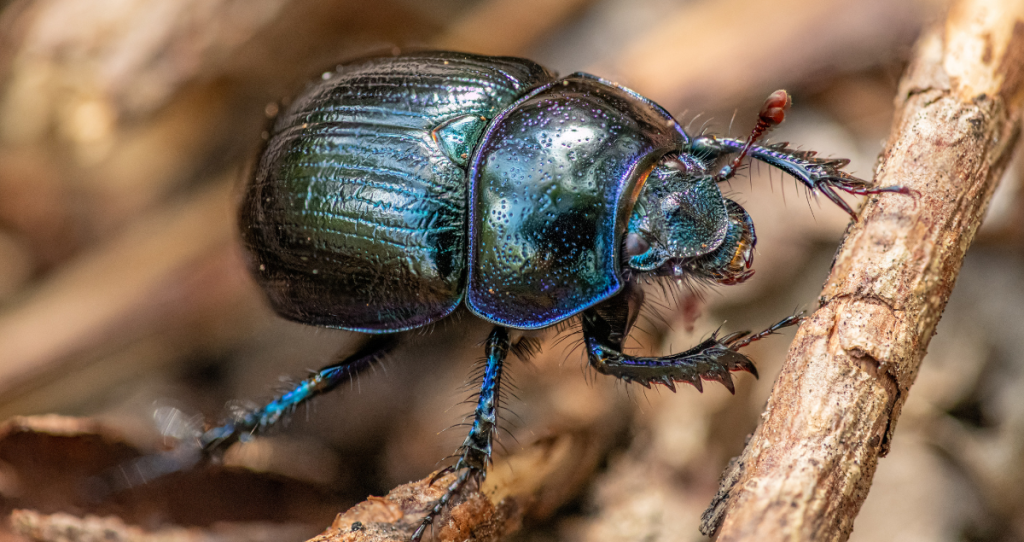
What Are Stored Product Insects?
Stored product insects, often referred to as food pests or food insects, are a group of beetles, moths and weevils that infest and damage stored food products. Unlike pests that are simply attracted to food as an occasional food source, stored product insects breed inside food, completing part or all of their life cycle within the product itself. This makes them particularly difficult to detect early and particularly damaging to food stock.
The term covers a wide range of species, but what they all have in common is that they target dry, stored goods. Cereals, flour, rice, pasta, dried fruit, nuts, spices, chocolate, pet food, grain, seeds and animal feed are all at risk. Any food business with a storage facility, any farm with a grain store, any food manufacturer with raw material stock and any retailer holding dry goods is a potential target.
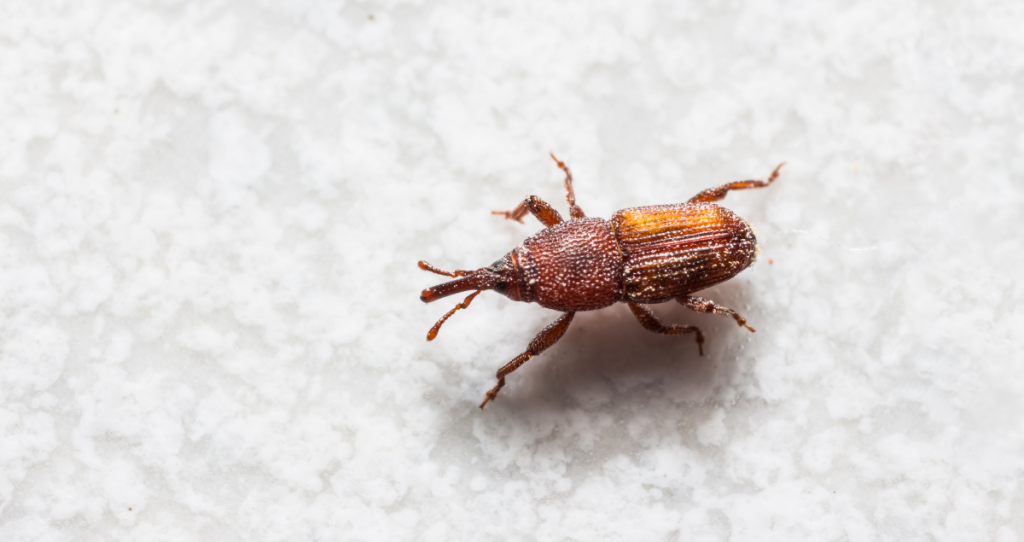
The Most Common Stored Product Insects in the UK
Grain Weevils
Grain Weevils The grain weevil (Sitophilus granarius) is one of the most economically damaging stored product insects in the UK. Adults are small, around 3 to 4mm long, with a characteristic elongated snout and a hard, dark brown to black shell. They infest whole cereal grains including wheat, barley, rye, oats and maize. Grain weevils are particularly difficult to detect in the early stages of an infestation, as their lifecycle takes place concealed within individual grain kernels. This means contamination can become well established before any visible signs appear. Heavily infested stores may develop a distinctive musty odour, and grain quality deteriorates rapidly, resulting in significant economic losses for producers and storage facilities alike.
Flour Beetles
The confused flour beetle (Tribolium confusum) and the red flour beetle (Tribolium castaneum) are among the most widespread food pests in flour mills, bakeries and food storage facilities. Despite the name, they infest a wide range of products including flour, cereals, dried fruit, nuts, spices and dried meat. Adults are reddish-brown, around 3 to 4mm long and are extremely resilient, capable of surviving in low-moisture environments and tolerating temperatures. Their presence in flour produces a characteristic grey tinge and unpleasant smell as the product becomes contaminated with shed skins, waste and dead insects.
Indian Meal Moth
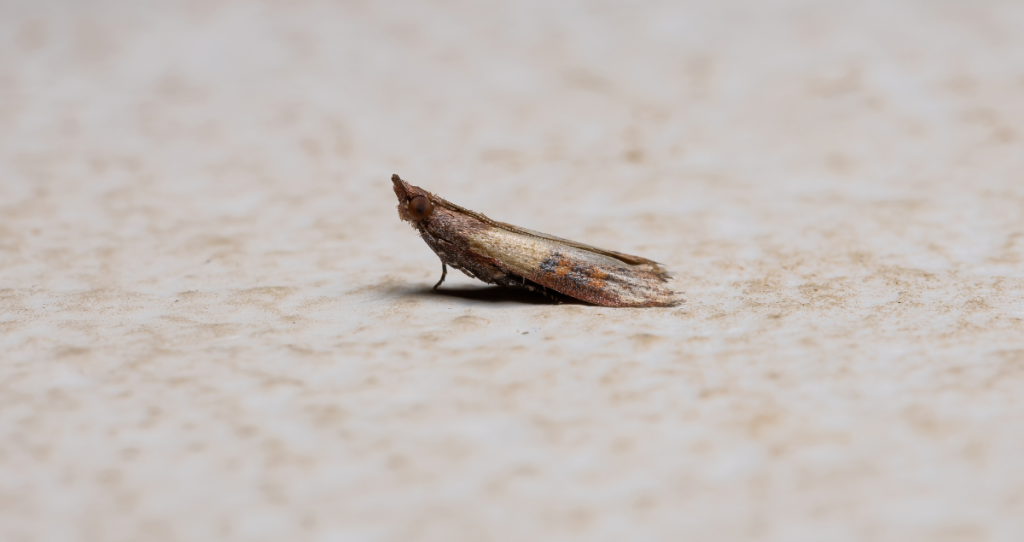
The Indian meal moth (Plodia interpunctella) is the most commonly encountered stored product moth in the UK and is a serious pest in food manufacturing, retail and warehousing. The adult moth has distinctive copper-coloured outer wings with a pale grey band near the head and is around 8 to 10mm in length. The larvae are the damaging stage, spinning silk threads through infested stock as they feed, which clumps the product together and renders it unfit for sale or use. They infest a wide range of dried goods including cereals, nuts, dried fruit, chocolate, spices and pet food.
Biscuit Beetle
The biscuit beetle (Stegobium paniceum) is a small, reddish-brown beetle around 2 to 3mm long that infests a surprisingly wide range of food products. Despite its name, it attacks not only biscuits and other bakery products but also flour, cereals, spices, dried herbs, chocolate, dried fruit and even pharmaceutical products. Its tolerance for spices and aromatic foods makes it a particular problem in food manufacturing environments handling flavouring ingredients. The larvae develop inside the food product, making early detection difficult without close inspection of stock.
Saw-Toothed Grain Beetle
The saw-toothed grain beetle (Oryzaephilus surinamensis) is named for the six distinctive saw-like projections on either side of its thorax. It's a flattened beetle around 2.5 to 3mm long that can squeeze through very small gaps in packaging and is commonly found in cereals, flour, dried fruit, nuts, sugar and pasta. Unlike grain weevils, it doesn't tunnel inside whole grains but feeds on the surface of damaged or milled products. It's a fast mover once established and can spread quickly through a storage facility.
Why Stored Product Insects Are a Serious Problem for Food Businesses
When stored product insects are found in a food business, the costs fall into two categories. The direct costs are significant: condemned stock, deep cleaning, specialist pest treatment and the disruption of taking a facility out of use during treatment. The indirect costs can be considerably higher. An Environmental Health inspection that finds active pest activity, or monitoring records showing a problem during a third-party audit, can put BRCGS or SALSA certification at risk. Losing that certification can interrupt customer contracts and affect a business’s ability to supply major retailers, often at very short notice. Getting ahead of a stored product insect problem is nearly always cheaper than dealing with the consequences of one that’s been found during an audit.
The food sector pest control service MJB provides is built around exactly these compliance pressures, covering regular inspections, monitoring and across Yorkshire.
How to Prevent Stored Product Insects in a Food Business
Prevention starts with three things: controlling what comes in, controlling the environment and maintaining the building. Every incoming delivery should be inspected for signs of pest activity before it enters storage. Stock should be rotated consistently so that older product doesn’t sit undisturbed at the back of a racking system. Storage temperatures and humidity should be monitored and kept within ranges that don’t favour pest development where possible.
The physical building matters as much as the stock management. Gaps in walls, floors and ceilings, cracks around pipework, poorly fitted door seals and damaged or missing vent covers all create routes for insects to enter. Pheromone traps and sticky monitoring traps placed in storage areas provide an early warning system that can identify low-level pest activity before it becomes a visible infestation, which is why monitoring should be a consistent part of any food business’s pest management plan rather than something that only happens when a problem is suspected.
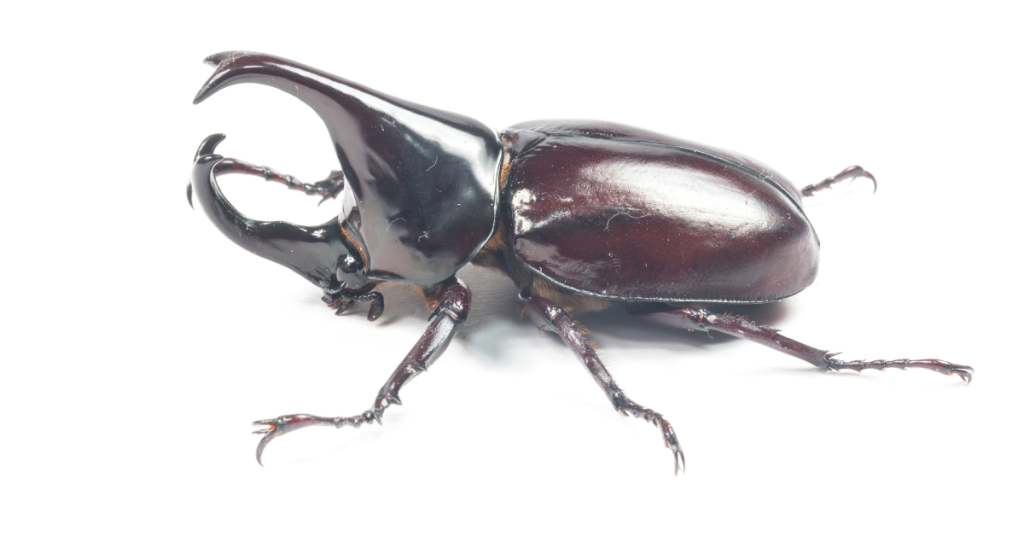
Food businesses that deal with stored product insects reactively almost always spend more, lose more stock and face greater compliance risk than those that manage the threat proactively. The species covered in this guide are well established in UK food environments and the conditions that allow them to thrive are present in most storage facilities. Knowing what to look for and having the right monitoring and management measures in place is what makes the difference between catching a problem early and discovering it during an audit.
To arrange an inspection or discuss a pest management plan for your business, call MJB Pest Control on 0800 542 6359 or contact the team to arrange a site.
Contact us
Whoever the responsibility falls to, if you’re a landlord or a tenant dealing with pest control for rental properties in Yorkshire, get in touch with MJ Backhouse for your pest control needs.