Why Preparation Has a Direct Impact on Commercial Pest Control Results
Pest control treatments are only as effective as the access they’re given. If a technician can’t reach the areas where pest activity is concentrated, whether that’s behind racking, under units, along wall junctions, or around pipe runs, the treatment will always be limited. This is especially true in busy commercial environments where equipment, stock and furniture can easily block the zones that need treating most.
Preparing your site properly isn’t about doing the technician’s job for them. It’s about removing the obstacles that would otherwise get in the way of a thorough, well-targeted treatment. The businesses that consistently get the best results from commercial pest control are the ones that take this preparation step seriously, rather than treating it as an afterthought.
How to Clear Access Around Known Pest Activity Before the Visit
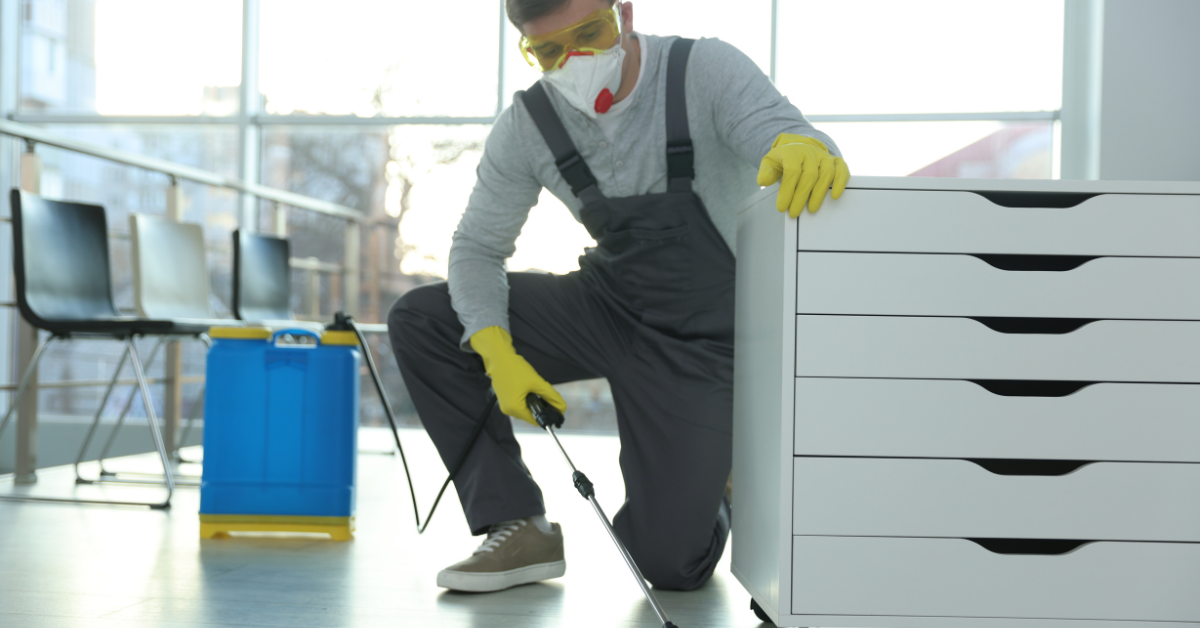
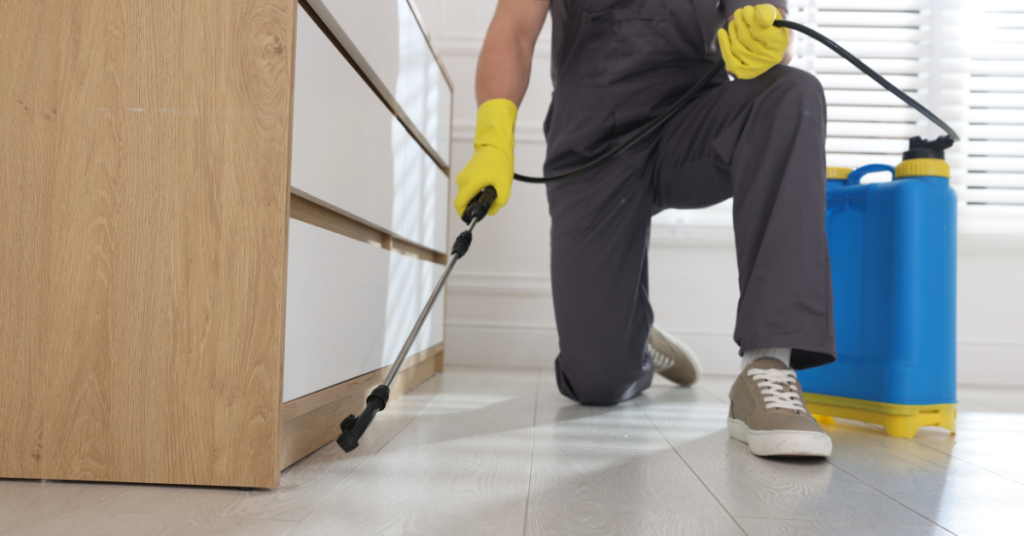
One of the most impactful things you can do is clear the areas where pest activity has been identified or is suspected. This typically means pulling stock, racking and equipment away from walls so that skirting boards, pipe runs, wall junctions and floor edges are all fully accessible to the technician.
Key areas to focus on include:
- Storage rooms and stock areas where rodent or insect activity has been spotted
- Kitchen and food preparation areas including under units and behind appliances
- Loading bays, delivery areas and external access points into the building
- Utility rooms, plant rooms and anywhere with visible pipework or drainage runs
Even moving items a short distance from the walls makes a meaningful difference to what a technician is able to reach and treat during the visit. It’s a small investment of time that directly improves the quality of the outcome.
Food Safety Preparation Before a Commercial Pest Control Treatment
If your business handles food in any capacity, whether that’s a restaurant or hospitality venue, a retail store, a food production facility, or a warehouse storing packaged goods, this step is one of the most important parts of your preparation. Before any treatment takes place, food and anything that comes into contact with it needs to be properly protected to avoid any risk of contamination from the products being applied.
In practical terms, this means going through your premises before the technician arrives and making sure that:
- All loose or open food items are sealed in airtight containers or removed from the treatment area entirely
- Catering equipment, utensils and crockery left out on surfaces are stored away or covered
- Packaging materials such as bags, boxes and food wrapping stored at low level are moved or covered
- Drinks, ingredients and anything stored in open shelving within the treatment zone is secured
Your technician will confirm the specific requirements based on the products being used, but taking these steps as standard means the treatment can start on time without any last-minute scramble to move things around. If your business is subject to food safety standards or audits, our guide on BRC audit preparation and pest control is worth a read alongside this one.
Managing Staff Communication and Site Access on Pest Control Treatment Day
Good communication with your team ahead of a treatment visit is something that often gets overlooked, but it makes the whole process run significantly more smoothly. Staff need to know which areas will be restricted, for how long and what they should do in the meantime, particularly in larger sites where multiple teams or departments share the space.
Restricting Access to Treated Areas
Some treatments require certain areas to be vacated entirely for a period of time. Planning this in advance rather than managing it on the day reduces disruption and prevents anyone accidentally entering a treated area before the appropriate clearance time has passed.
Making Sure Your Technician Can Access the Whole Site
Whoever is responsible for site access on the day should be fully briefed and available to let the technician into every relevant area, including rooms that are normally locked, external perimeter areas, outbuildings and service areas that form part of the site.
A technician who can’t access part of the site simply can’t treat it and that gap in coverage is often exactly where a pest problem persists or re-establishes itself. To get a clearer sense of what areas a technician will typically need to reach, it’s worth reviewing what happens during a commercial pest control inspection beforehand so nothing comes as a surprise on the day.
Preparing External Areas and Building Entry Points Before Treatment
Internal preparation gets most of the attention, but the outside of your building is just as important and it’s the area that tends to get forgotten about entirely. Overgrown plants and shrubs close to the building, accumulated waste, uncovered drains and cluttered outdoor areas all create exactly the kind of conditions that attract pests in the first place and they can also make it much harder for a technician to properly assess and treat the perimeter of your site.
Before your visit, take a walk around the outside of the building and make sure that:
- External waste bins and compactors are closed and positioned away from entry points
- Shrubs close to the building has been cut back where possible
- Drains and gullies are clear and covered appropriately
- Any obvious structural gaps around doors, windows, or pipework have been noted to flag to your technician on arrival
Sharing what you’ve observed about external areas when your technician arrives helps them build a fuller picture of your site and prioritise the areas that carry the most risk.
Pets, Vulnerable Individuals and Special Site Requirements
If your premises involve animals, vulnerable individuals, or any specific circumstances worth flagging, it’s simply a case of letting your provider know before the visit so they can plan accordingly. This is relevant for healthcare settings, care facilities, educational environments and any business that has animals on site.
Passing this information on at the booking stage means your pest control provider can choose the most appropriate products and methods for your specific situation. It’s nothing to worry about, it just helps them tailor the treatment to your site properly and means everything runs smoothly on the day without any last-minute changes or surprises.
What to Do After a Commercial Pest Control Treatment
Preparation doesn’t stop once the technician leaves the site. How you manage the period immediately after a treatment is just as important as everything that came before it and getting this right is what helps the treatment deliver lasting results rather than a temporary fix.
Re-entering the Premises and Ventilating Treated Areas
Your provider should leave you with clear post-treatment instructions, but there are a few general principles that apply across most commercial treatments. Ventilating treated areas before staff return is usually recommended, particularly where chemical treatments have been used. Cleaning surfaces in treated zones should wait until the advised clearance period has passed, as cleaning too soon can reduce the effectiveness of what's been applied.
Leaving Monitoring Equipment and Bait Stations in Place
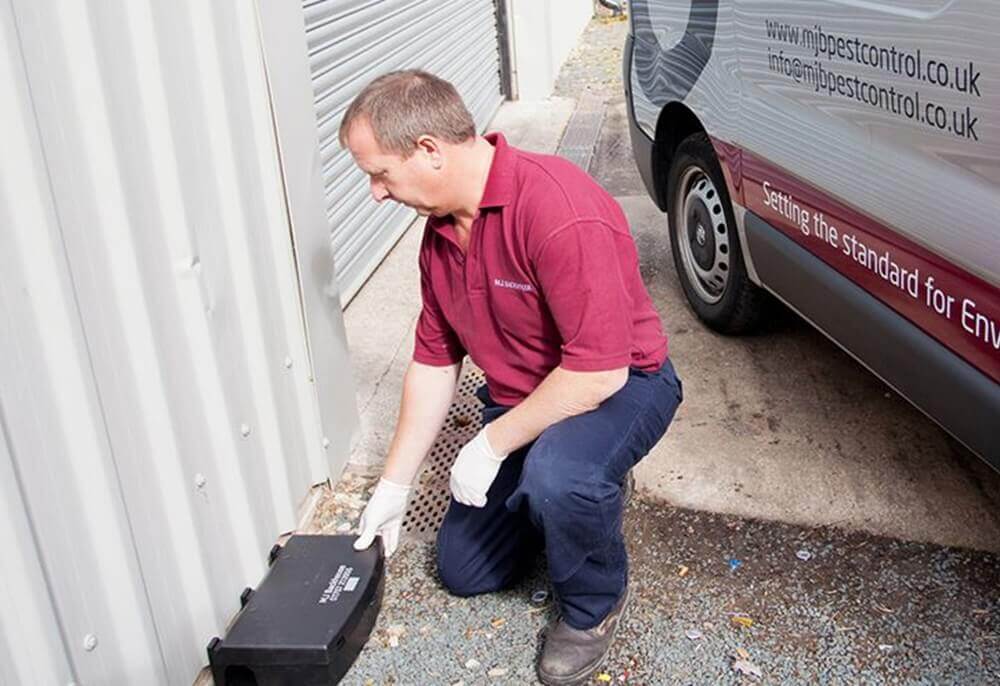
Any bait stations, monitoring devices, or traps left in place should be left undisturbed between visits unless you've been specifically told otherwise. Moving or interfering with monitoring equipment can disrupt the treatment programme and make it harder for your technician to accurately assess activity levels on their next visit.
Booking Follow Up Visits and Staying on Top of Prevention
Follow-up visits are an important part of any properly structured treatment programme, so make sure those are confirmed before your technician leaves. Ongoing prevention is what stops problems from returning and as the seasons change pest pressure can shift significantly. Our guide on how to pest proof your business in winter is worth reading for any commercial premises heading into the colder months, as this is when many businesses see an increase in rodent activity particularly.
Always Ask Your Pest Control Provider What They Need From You in Advance
Every treatment is different and the specific preparation required will depend on the pest type, the products being used and the nature of your site. Alongside following the general guidance in this blog, the most useful thing you can do is ask your provider directly what they need from you before they arrive and make sure you receive that information in good time rather than the day before.
A professional pest control company will give you clear, practical pre-treatment guidance as standard. If you’re having to chase for that information, it’s a signal worth paying attention to. Clear communication between client and provider is one of the things that separates a treatment that delivers lasting results from one that only partially addresses the problem and it starts well before the technician sets foot on your site.
In summary, preparing your commercial premises properly before a pest control treatment makes a real difference to the results you get and the long-term protection your business benefits from. Clearing access, protecting food and stock, briefing your team, attending to external areas and following through on post-treatment guidance all help your provider do their job as thoroughly as possible.
Book a Commercial Pest Control Treatment With MJ Backhouse
At MJ Backhouse, we guide our commercial clients across Yorkshire through everything they need to do before we arrive so there are no surprises and no wasted visits. We work with businesses across a wide range of sectors including food, retail, hospitality, healthcare and factories and warehouses.
Get in touch today on 0800 542 6359 or email info@mjbpestcontrol.co.uk to book a treatment or talk through your requirements.
Contact us
If you’re looking for a professional and dependable pest control partner for your business, MJB Pest Control is here to help. Contact us today to discuss your specific needs and find out how we can help keep your premises pest-free.