1. Cockroaches
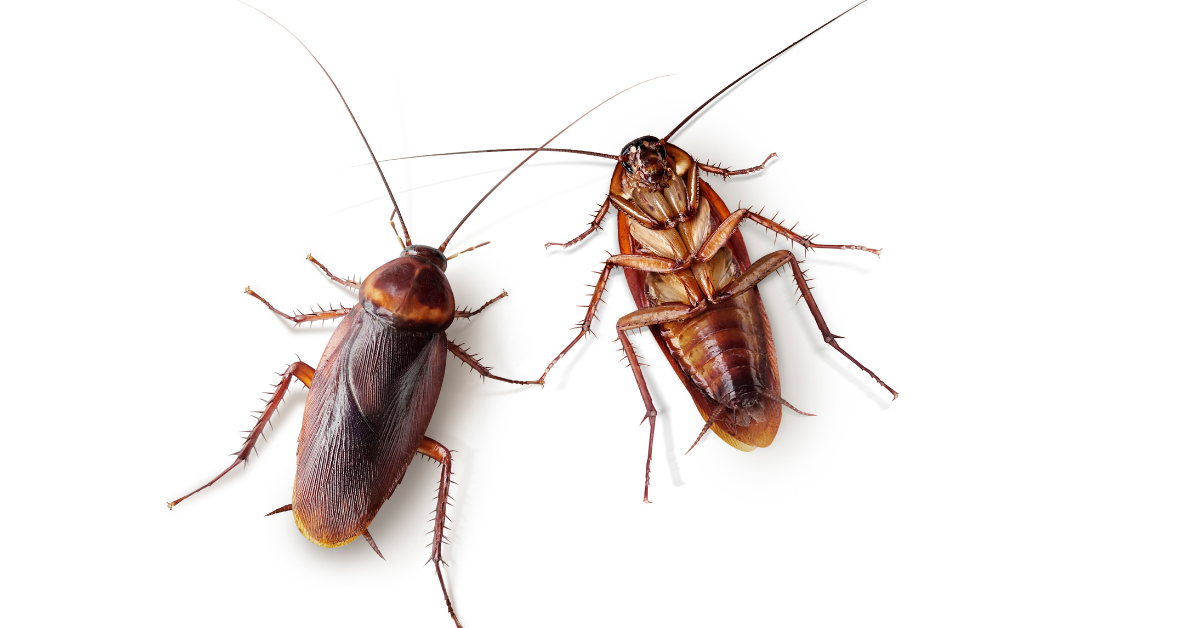
Cockroaches are notorious for their resilience and ability to thrive in warm, humid environments such as commercial kitchens. They pose significant health risks by contaminating food and surfaces with bacteria and allergens. To combat cockroach infestations:
- Inspection and Identification: Regularly inspect areas around sinks, drains, and food preparation stations for signs of cockroach activity, such as droppings or shed skin.
- Sanitation Practices: Maintain impeccable cleanliness by eliminating food debris, grease, and standing water that attract cockroaches.
- Sealing Entry Points: Seal cracks and crevices in walls, floors, and around plumbing to prevent cockroaches from entering the kitchen.
- Professional Treatment: Engage a licensed pest control service to apply targeted treatments and baits that effectively eliminate cockroaches while adhering to health and safety regulations. Learn more about the importance of professional pest control services for commercial businesses.
2. Rodents
Rodents like rats and mice are adept at foraging for food and can quickly become a severe problem in commercial kitchens. They contaminate food supplies, damage structures, and spread diseases through their droppings and urine. Key strategies for rodent control include:
- Exclusion: Seal all possible entry points with durable materials such as steel wool or metal plates. Pay special attention to gaps around utility pipes and vents.
- Sanitation Practices: Keep food storage areas clean and organised, ensuring that food is stored in sealed, rodent-proof containers.
- Trapping and Baiting: Deploy traps and bait stations strategically in areas frequented by rodents. Regularly monitor and replenish baits as needed.
- Monitoring: Conduct regular inspections for signs of rodent activity, such as gnaw marks, droppings, or nests, and take immediate action to address any infestations.
3. Flies
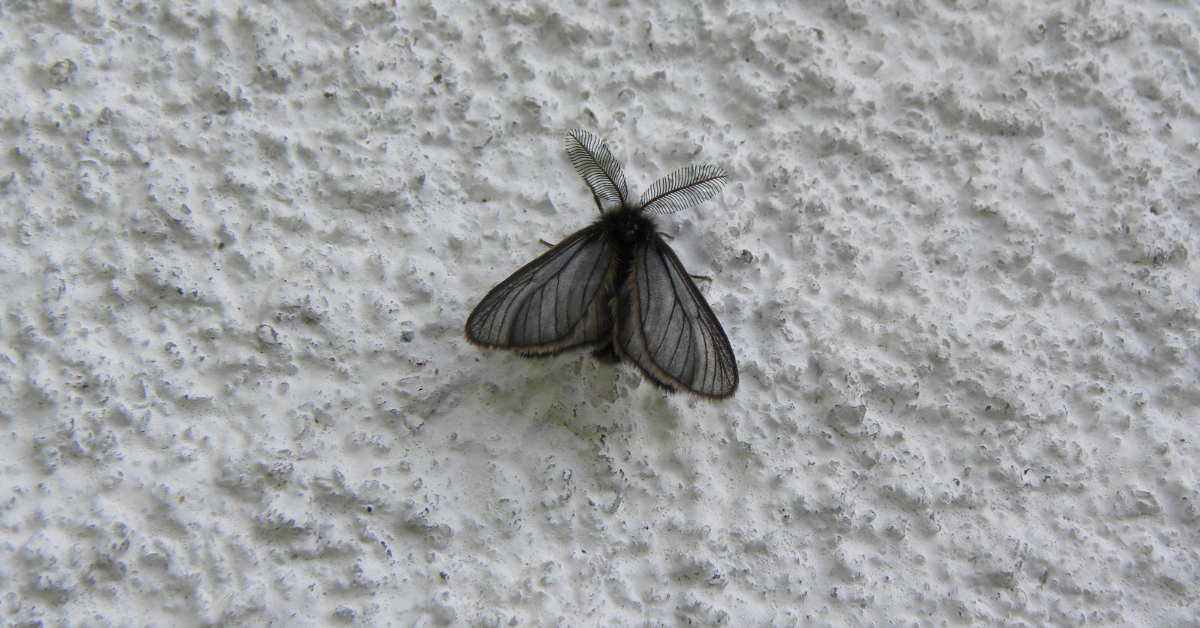
Flies are not only a nuisance but also potential vectors for diseases as they can transmit pathogens picked up from unsanitary surfaces to food and food preparation areas. Effective fly control measures include:
- Exclusion: Install fly screens on windows and doors to prevent flies from entering the kitchen.
- Sanitation: Maintain clean drains, rubbish bins, and disposal areas to eliminate breeding grounds for flies.
- Fly Traps: Utilise fly traps and insect light traps (ILTs) strategically to capture flies and reduce their population indoors.
- Professional Advice: For comprehensive fly control solutions tailored to your kitchen’s layout and needs, consult with pest control professionals who specialise in commercial settings.
4. Ants
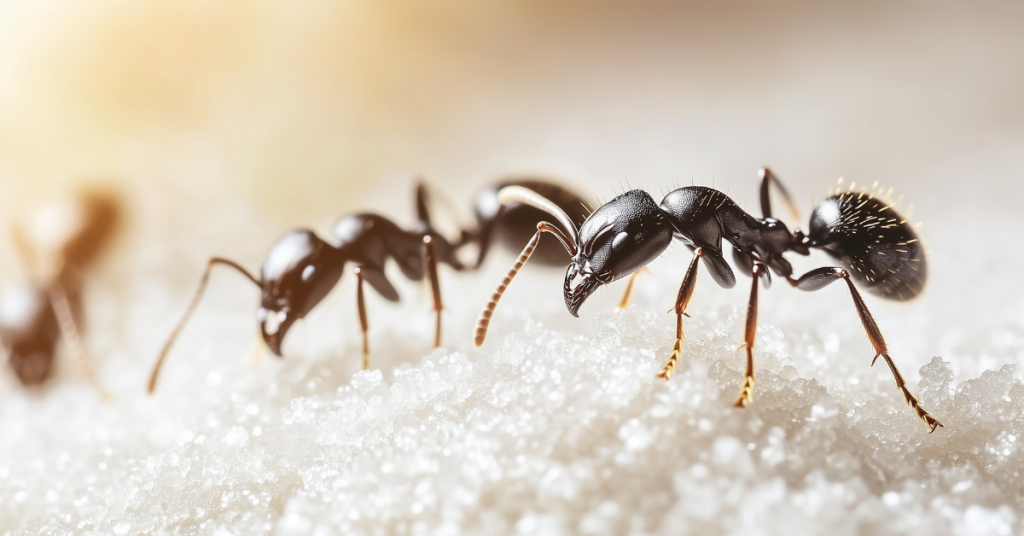
Ants are attracted to food spills, sugary residues, and greasy surfaces commonly found in commercial kitchens. They can quickly establish colonies and become a persistent problem. Effective ant control strategies include:
- Source Elimination: Clean spills promptly and maintain a rigorous cleaning schedule to remove food crumbs and residues that attract ants.
- Seal Entry Points: Seal cracks and gaps in walls, windows, and doors to prevent ants from entering the kitchen.
- Ant Baits: Use ant baits placed near trails and entry points to attract and eliminate ants. Monitor baits regularly and replace them as needed.
Maintaining a pest-free environment in a commercial kitchen requires diligence, proactive measures, and expert assistance. By implementing these detailed strategies for cockroaches, rodents, flies, and ants, kitchen managers can effectively protect their establishment’s reputation and ensure compliance with health and safety standards.
If you need immediate assistance safeguarding your commercial kitchen against pests, reach out to us today to schedule a consultation. We’ll customise a pest management plan tailored to your specific needs, protecting your business, customers, and reputation with our specialised pest control solutions.
Contact us
If you’re looking for a professional and dependable pest control partner for your business, MJB Pest Control is here to help. Contact us today to discuss your specific needs and find out how we can help keep your premises pest-free.