
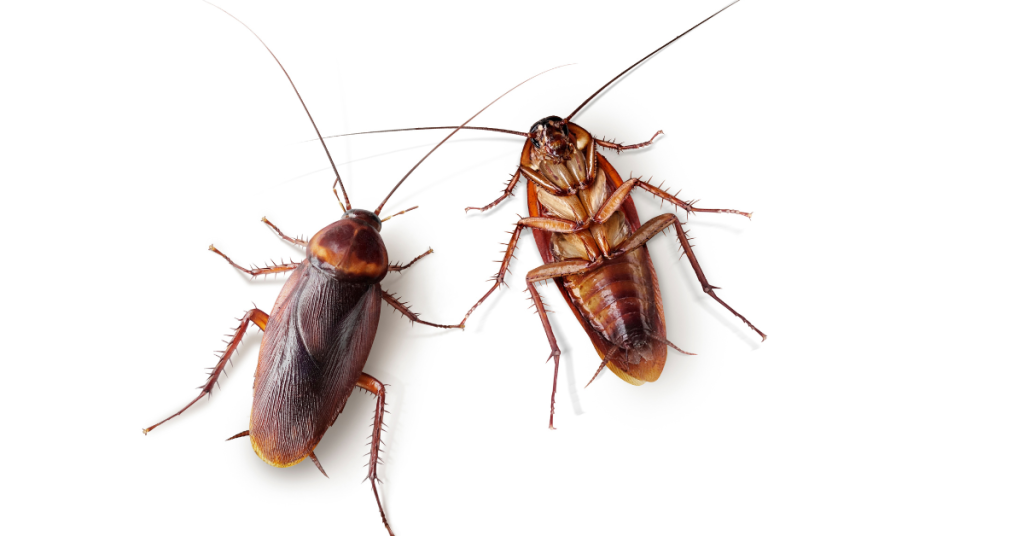
Why are cockroaches a problem?
Cockroaches are a problem because they’re harmful to humans and can be damaging to businesses.
Cockroaches can be harmful to humans because of the contamination of food and the spread of bacteria. As cockroaches eat food in rubbish bins, they can carry and expel a range of bacteria on food, food-contact services and packaging. In addition to the diseases cockroaches can transmit from food, they can also carry pathogens from Salmonella, Listeria and Campylobacter.
These pests can also be a threat to businesses as a single sighting by a customer can damage an establishment’s reputation. Even worse, if a regulatory inspector or auditor is checking a restaurant or hotel and spots a cockroach, the establishment can be failed for their food safety certificates.
And finally, cockroaches can be a problem due to their ease of reproduction. A single cockroach can produce thousands of offspring in one year alone. So if you have one c
Allergy symptoms
Cockroach droppings can cause allergies in some people and symptoms such as a runny nose, sore eyes, wheezing and breathing difficulties. If you suddenly notice an onset of these symptoms, and nothing else has changed, you may want to check under cupboards and work surfaces for droppings.
Unpleasant smell
A cockroach infestation will leave a strong and unpleasant smell on and around items they have touched. If you notice a lingering, musky smell that you can’t get rid of, it may be due to a cockroach infestation.
Cockroach droppings
There are two types of droppings to look out for if you think you may have a cockroach infestation. The first is small, black or brown ball-shaped droppings, in a dry environment. If there is water nearby, you should look out for brown smear marks, around 1 to 2 mm thick. If you do notice droppings, be sure to wear gloves.
Shed skin and egg casings
Cockroaches shed their skin between 5 and 8 times on average throughout their lifetime. These sheddings can be found where the cockroaches will be resting. As well as shed skin, cockroaches will leave behind egg casings: this is the long hollow egg casing that would hold dozens of eggs. Once the eggs hatch, the light brown casing is left behind. If you find casings that still contain eggs, be sure to dispose of them by flushing them down a toilet.
Where to check for cockroaches?
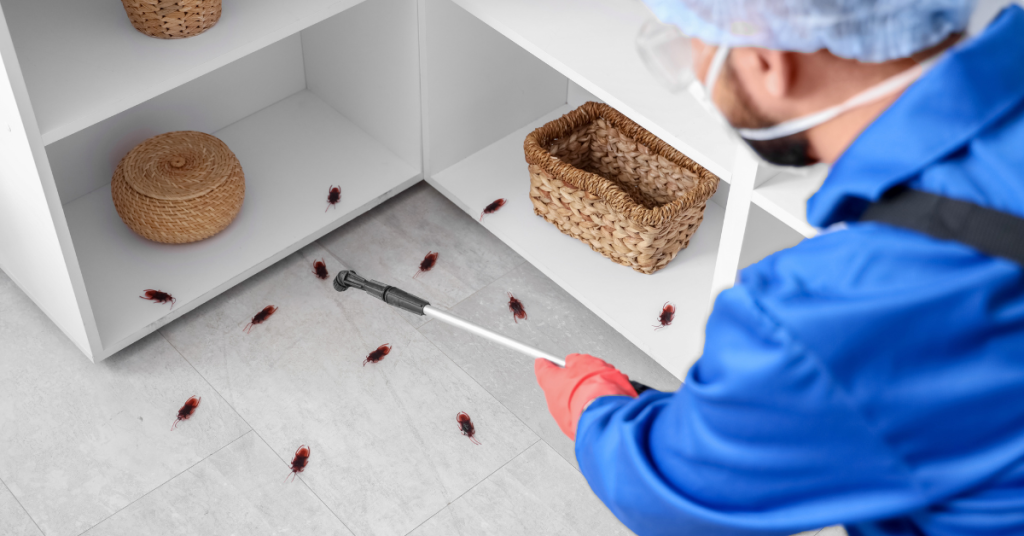
If you think you’ve spotted the signs of a cockroach infestation but you’re not sure where the pests are hiding, here are some good places to check:
Kitchens
Kitchens are one of the first places to check for cockroaches, due to their proximity to food, and thus contamination risks. You should check in cupboards and in cabinets, especially ones that include pipework, like under sinks and behind dishwashers. You’ll also want to check on top of work surfaces behind appliances, like under microwaves, behind coffee makers, under toasters and behind blenders. Finally, you should check behind kitchen units like cookers, fridges and freezers.
Bathrooms
You should also check your bathroom for signs of a cockroach infestation. Cockroaches like damp, warm spaces, so be sure to look behind bathroom cabinets, sinks, baths and toilets, as well as inside cupboards. Where possible, check your pipes and drains for cracks and crevices where cockroaches could hide.
Basements
Another common place for cockroaches to live is in the corner of damp basements. If you have a basement, check along the bottom of the walls and corners for any gaps or cracks that cockroaches could hide in. If you have cardboard boxes, check the corners as cockroaches can eat and hide in paper and cardboard.
Laundry and utility rooms
Like the bathroom and kitchen, another warm and wet space that is ideal for cockroaches is the utility room. Be sure to look under sinks, in cupboards, behind washing machines and dryers. Pay particular attention to areas where plumbing enters through walls as there may be cracks and gaps that cockroaches can thrive in.
If you have found signs of cockroaches, or seen the small brown insects themselves, it’s important that you get in touch with a pest controller to remove the infestation as soon as possible. If you’re based in Yorkshire, call us on 0800 542 6359 or email us at info@mjbpestcontrol.co.uk to arrange a professional treatment.
Contact us
If you’re looking for a professional and dependable pest control partner for your business, MJB Pest Control is here to help. Contact us today to discuss your specific needs and find out how we can help keep your premises pest-free.