Why Outdoor Dining Areas Are Harder to Keep Pest-Free
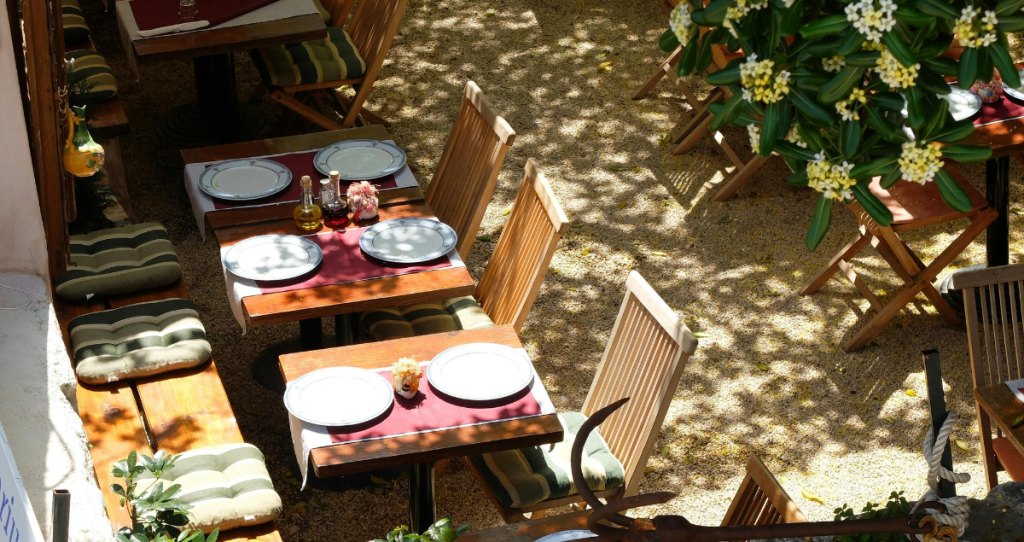
Every outdoor dining space gives pests what they need: food, water, shelter and warmth. The difference between a terrace and a commercial kitchen is that a kitchen can be sealed, cleaned and checked properly. An outdoor area can’t be sealed at all and keeping on top of it during a busy service is much harder. Food dropped under tables, spills on the floor, build-up in drains and bins nearby all add up over the course of a day.
In Yorkshire, pest activity peaks from late spring through to early autumn. Wasps, flies, ants, birds and rodents all become much more active in the warmer months. A restaurant or café that keeps its kitchen well managed can still run into serious problems outdoors if the two areas aren’t treated as part of the same plan.
Managing Wasps Around Outdoor Seating
Wasps cause more disruption to outdoor dining than any other pest from June through to September. A single wasp near a table is an annoyance. A nest close by is a real operational and safety problem. Nests are most commonly found in eaves, roof spaces, garden walls, soil banks and trees near buildings. A nest that starts in spring with a handful of workers can hold tens of thousands by August.
Wasp behaviour changes as summer goes on. Early in the season, they’re out looking for food to bring back to the young in the nest. By late summer, with the nest winding down and no young to feed, they’re drawn almost entirely to sweet food and drink. This is when outdoor seating areas see the most wasp activity and when stings are most likely. Treating a nest early, while it’s still small, is far simpler than dealing with a large colony during peak service. It’s also worth knowing that wasps, bees and hornets need different treatment approaches, so identifying which one you’re dealing with matters before doing anything. For venues wanting to get ahead of the season, we have a couple of useful resources on when wasp activity typically peaks and the practical steps that reduce the risk of nests establishing nearby.
Flies and Outdoor Food Service
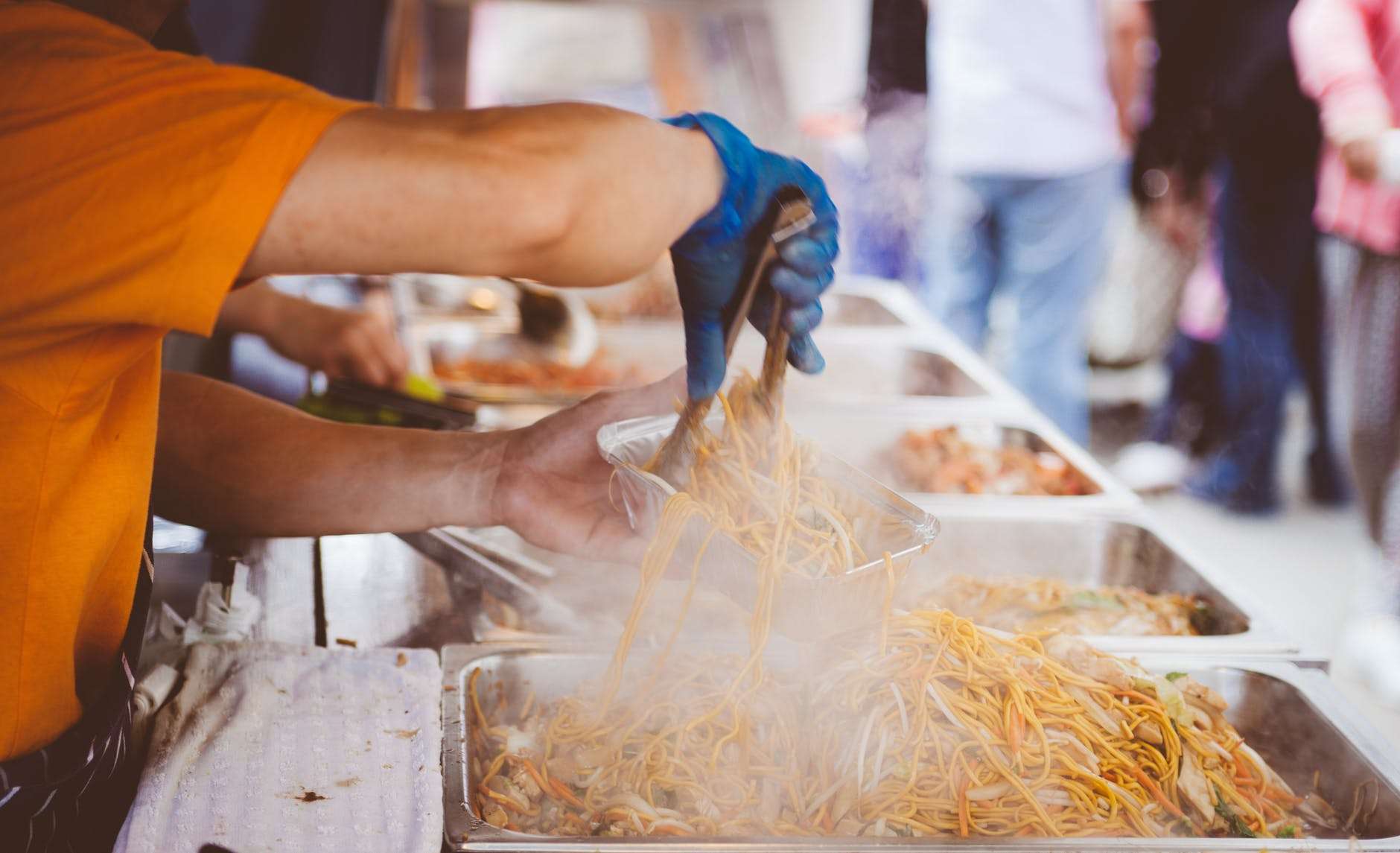
House flies, bluebottles and fruit flies show up consistently around outdoor food and drink. They’re drawn to food left on tables, sweet drinks, spilled sauces and anything building up in nearby drains or bins. In a restaurant or café, fly activity around outdoor tables isn’t just unpleasant for guests. It creates a real risk of food contamination and it can affect the outcome of an inspection.
Bins too close to outdoor seating are one of the most common reasons fly problems develop during summer. A bin taking food waste from a busy service gives flies somewhere to breed and from there they move freely between the bin and the tables. Keeping bins as far from seating as the site allows, making sure lids fit properly and emptying them regularly during service makes a significant difference. Where outdoor service runs close to a kitchen door, electric fly killers in the right positions provide an extra layer of protection.
Bird Activity Around Outdoor Dining Areas
Pigeons, sparrows and seagulls are all a persistent problem around outdoor food service in Yorkshire. Sparrows and feral pigeons are found across the whole county. Seagulls have spread significantly inland over recent years and are now a regular problem in city and town centres including Leeds, York and Bradford through the summer months. All three are drawn in by the same things: food dropped by guests, tables left uncleared and accessible bins.
Birds around outdoor seating create several problems at once. Droppings on tables, chairs and surfaces are a hygiene risk and a guest experience problem. They also make paving slippery, which is a safety hazard. Birds that start getting fed reliably from a spot quickly become bolder and harder to shift, which is why dealing with the problem early is far easier than waiting until they’ve settled in. Bird proofing and netting can protect covered structures, pergolas and canopies where birds are roosting or nesting.
Ants on Outdoor Terraces and Patios
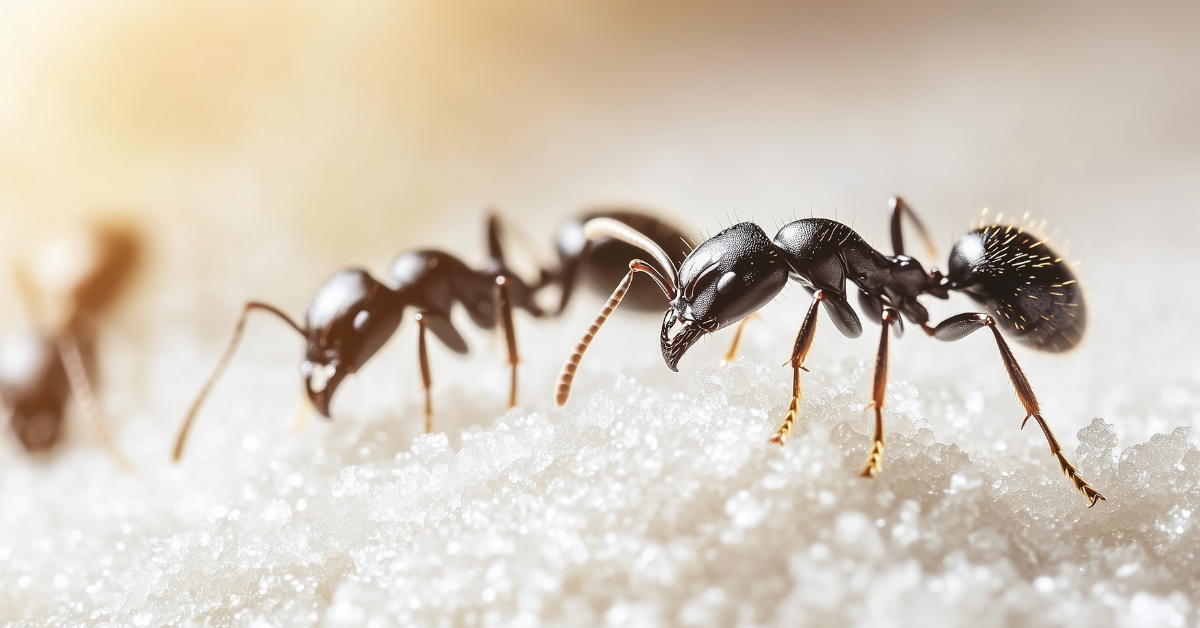
Ants are active from spring through to September and are a consistent problem around outdoor dining. Cracks in paving and decking, gaps between slabs, nearby flower beds and disturbed soil all give them somewhere to nest and feed. Once they find a food source, a trail forms quickly and is hard to break without dealing with the colony itself.
For outdoor dining areas, ants on tables or crossing surfaces where food is being served are a hygiene concern for both guests and inspectors. Keeping outdoor surfaces clear of food, filling gaps in paving and managing planted beds close to the seating area all reduce the conditions that attract them. Where a trail or nest is already established, professional treatment is far more effective than anything available over the counter.
Rats and Mice Around Outdoor Dining and Bin Areas
Rodent activity around outdoor dining areas tends to happen after hours, when the space is quiet and undisturbed. Food dropped under tables during service, build-up in outdoor drains and the smell of food waste from nearby bins all draw rats and mice in overnight. Yorkshire’s mix of city centres and semi-rural areas means pressure from rats in surrounding land, drainage runs and nearby properties is a consistent issue for outdoor food businesses.
Any evidence of rodent activity in an outdoor area, whether that’s droppings, gnaw marks on furniture or fencing, or actual sightings, is treated seriously during a food hygiene inspection. It carries the same weight as finding the same signs indoors. Keeping the outdoor area covered as part of a commercial pest control contract is the most reliable way to stay on top of the problem year round.
Practical Steps to Keep Outdoor Dining Areas Pest-Free
Waste Management and Bin Placement
Where you put your bins matters more than almost anything else for outdoor pest management. Bins taking food waste should be as far from the seating area as the site allows, with tight-fitting lids and emptied regularly during and after service. The inside of bins should be cleaned frequently to stop residue building up between collections. A clean bin area well away from the tables removes one of the main things drawing in flies, wasps, birds and rodents at the same time.
Drainage and Standing Water
Outdoor drains and drainage channels fill up quickly during a busy service. Blocked or poorly maintained drains give flies somewhere to breed and any standing water near the seating area will attract wasps when the weather is warm. Adding drain cleaning to the end-of-service routine goes a long way towards keeping flying insects under control through the season.
Checking the Structure at the Start of the Season
Covered outdoor areas, pergolas and canopies create warm, sheltered spots that wasps and birds will move into if they’re left unchecked. A walkround at the start of the season to look for gaps in covered structures, likely nest sites in eaves or roof joints and any spots where birds are already roosting gives the chance to deal with problems before they establish. Bird netting on covered outdoor structures is a practical long-term fix for venues where birds are a regular problem.
Table Clearing During Service
How quickly tables are cleared between sittings has a direct effect on how many pests turn up during service. Food left on a table on a warm day attracts wasps and flies within minutes. Getting tables wiped down promptly, keeping condiments and sauces stored away when not in use and keeping the seating area as clear as possible during service all reduce what’s drawing pests in throughout the day.
Why Pest Activity Outdoors Still Counts at Inspection
Food businesses in Yorkshire that serve food outdoors are covered by the same food hygiene regulations as inside the premises. Pest activity in an outdoor service area can be recorded during an Environmental Health inspection and carries the same weight as a finding indoors. It can also affect the food hygiene rating, which is publicly displayed and has a direct effect on bookings and footfall.
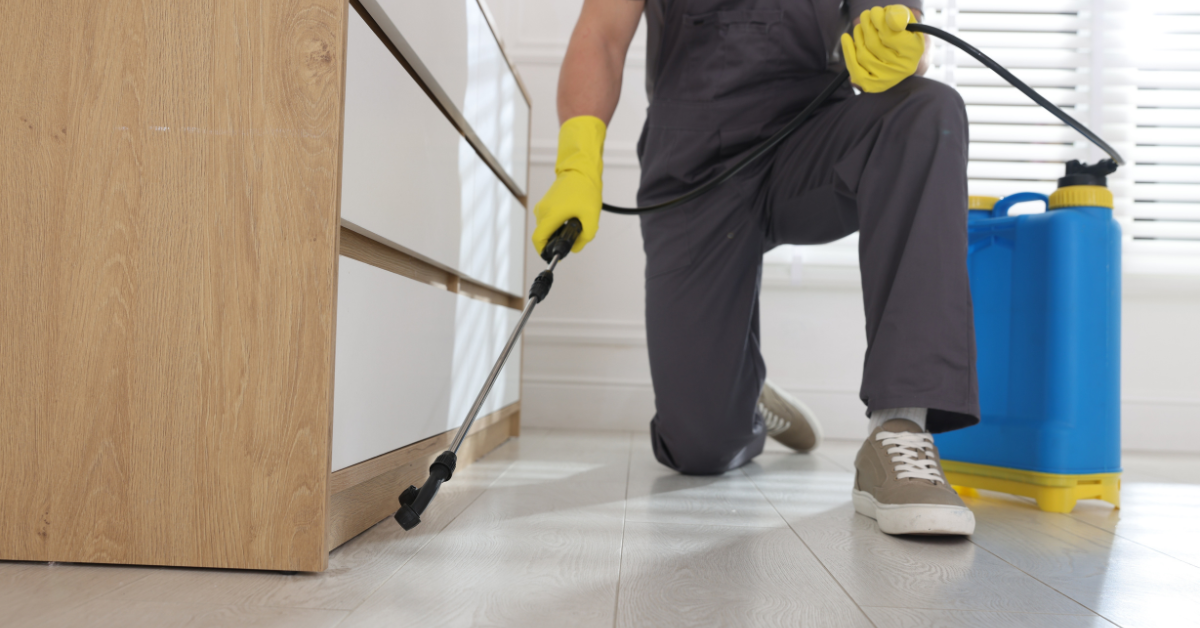
For restaurants, pubs, cafés and hotel food operations across Yorkshire, MJB provides pest control that covers outdoor and indoor areas together, with monitoring and documentation that holds up under both routine inspections and third-party audits. Businesses in the food sector with outdoor service areas should make sure any pest control contract explicitly covers the outdoor space rather than assuming it’s included.
Pest Control for Outdoor Dining in Yorkshire
Managing pests around outdoor dining isn’t the same as managing them inside a building. The picture changes with the season, shifts with the weather and involves species that move freely between indoors and out. At MJ Backhouse Pest Control, we work with food and hospitality businesses across Yorkshire, covering Leeds, York, Bradford, Wakefield, Harrogate, Hull, Doncaster and the surrounding area. Before signing with any provider, it’s worth knowing what to ask to make sure the service fits what your business needs.
Managing pests in an outdoor dining area is a different challenge from managing them inside a building. The space can’t be sealed, the conditions change with the weather and the same things that make a terrace or beer garden appealing to guests make it appealing to wasps, flies, birds and rodents too. Getting the basics right with waste, drainage, table clearing and structure checks keeps the problem manageable through even the busiest part of the season.
MJB Pest Control has been working with food and hospitality businesses across Yorkshire for over 35 years. To put a restaurant pest control programme in place that covers your outdoor dining area, call 0800 542 6359 or contact our team today.
Contact us
If you’re looking for a professional and dependable pest control partner for your business, MJB Pest Control is here to help. Contact us today to discuss your specific needs and find out how we can help keep your premises pest-free.