Are Squirrels Pests?

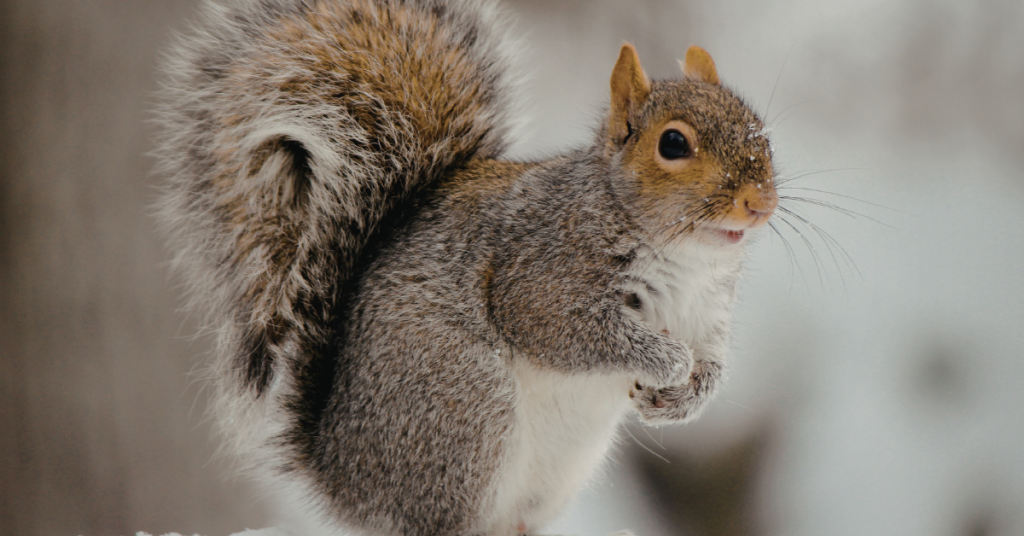
The straightforward answer is yes. Squirrels, particularly the grey squirrel, can be considered pests because of the damage they can inflict on both residential and commercial properties. Although they aren’t classified as vermin by authorities like Oxford City Council, their potential for destruction should not be underestimated.
How Can Squirrels Be Destructive to Businesses?
For commercial properties, squirrel-related issues can be costly and disruptive. Here are some common ways squirrels can wreak havoc:
- Gnawing and Chewing: They can gnaw on various materials, including wood and electrical wiring. This not only leads to structural damage but also poses fire hazards, which can be particularly concerning for businesses.
- Contamination: Like rats and mice, squirrels can leave droppings and urine in attics and storage areas, contaminating food supplies and creating health risks for employees and customers alike.
- Damage to Outdoor Spaces: If your business has gardens or outdoor seating, squirrels can easily munch through plants and flowers, ruining the aesthetic appeal of your property. This is particularly important for businesses like restaurants and cafés that rely on outdoor areas to attract customers.
- Nesting Issues: Squirrels often seek out attics and storage spaces for nesting. This can lead to further infestations of other pests, as well as the risk of damage to insulation and stored goods.
How to Identify a Squirrel Problem

Squirrel infestations aren’t always obvious, but there are several signs you can watch for:
- Scratching Sounds: Listen for scratching or rustling noises coming from the ceiling or attic, especially during the early morning when squirrels are most active.
- Droppings: Look for droppings. These can often be found near nesting areas e.g. around your attic.
- Visible Damage: Check for gnaw marks on wood, wires, or even entry points around your property. Squirrels can create significant holes if left unchecked.
- Disrupted Bird Feeders: If bird feeders are constantly being raided or damaged, it could be a clear sign of squirrel activity.
Effective Strategies to Deter Squirrels from Your Property

Now that you know the signs of a squirrel problem, let’s look at how you can prevent them from taking up your space:
- Keep Waste Bins Secure: To prevent squirrels and other pests, ensure that all outdoor waste bins are tightly sealed and regularly emptied. Consider using locking bins and avoid leaving food items outdoors. This will help maintain a clean environment and reduce the risk of infestations.
- Manage bushes & Trees: Keep your property well-maintained by trimming trees and bushes that could serve as launching pads for squirrels. Regular maintenance can significantly reduce their ability to access roofs and attics.
- Seal Entry Points: Conduct a thorough inspection of your property to find and seal any potential entry points. Use materials like metal mesh or heavy-duty caulk to block holes in walls, eaves, and roofs.
- Professional Pest Control Services: If you suspect a squirrel problem, it’s wise to call in the professionals. We offer comprehensive assessments and tailored solutions to effectively deal with squirrel infestations.
Additional Considerations for Businesses
In addition to the above strategies, consider implementing a pest management plan tailored for your business. This could include:
Regular Inspections
Schedule periodic inspections of your property to identify potential pest issues before they escalate. Regularly checking for signs of pests, such as droppings, gnaw marks, or nesting materials, allows you to address any problems early on. This proactive approach not only helps safeguard your business from infestations but also ensures a healthier environment for employees and customers alike.
Employee Training

It’s essential to train your staff on how to identify signs of pests and the appropriate actions to take. By familiarising them with common indicators, you create a vigilant team that can spot potential issues early. Encourage open communication about any sightings or concerns, as the more eyes you have monitoring for pests, the better prepared you’ll be to address any problems quickly and effectively. This proactive approach not only protects your business but also fosters a culture of responsibility among your team.
While squirrels can be entertaining in the wild, they can pose significant challenges for commercial businesses. By being proactive and implementing effective deterrents, you can protect your property from potential damage. Remember, a proactive approach is always more effective than a reactive one. If you suspect you have a squirrel problem or want to enhance your pest management strategies, don’t hesitate to reach out to the MJ Backhouse team.
Contact us
If you’re looking for a professional and dependable pest control partner for your business, MJB Pest Control is here to help. Contact us today to discuss your specific needs and find out how we can help keep your premises pest-free.

Protect revenue and profits
While some would argue it would be nice to live in a world where business owners such as farmers didn’t need to fight so hard to protect their livelihoods, the fact of the matter is that a lack of pest control in the agriculture industry can massively impact farming revenue and profits.
Think about it; the more stock and produce that is lost to pests, that’s essentially the equivalent of money down the drain for farmers. Pest control ensures that farmers continually receive the profits they’ve worked hard for.
Keep equipment intact
Another problem facing farms is not only pests destroying and contaminating produce, but also damaging expensive equipment that farmers need in order to harvest crops and do their job.
The main culprits tend to be mice and rats, as they are prone to gnawing their way through wood, electrical wires, and anything else they can sink their teeth into. This then results in expensive repairs and replacements at a time when farmers don’t have access to the equipment needed to make money, often leading to a vicious cycle.
Protect farmland
It may sound obvious, but in order to harvest quality produce, farmers need to have access to quality farmland.
While this seems like a relatively straightforward concept, moles can often burrow their way through a piece of land, creating tunnels that disturb the roots of crops.
Moles can tunnel up to 4 metres an hour and create extensive burrow systems, making them harder to control, so it’s essential that pest control is sought as soon as possible.
Contact us
At MJ Backhouse, we are a family-run pest control company that is focused on providing a professional, quality and reliable pest control service across the Yorkshire region. If you’d like to find out more about how we can help protect your farm, get in touch today to speak with the team.
Related articles
View all articles
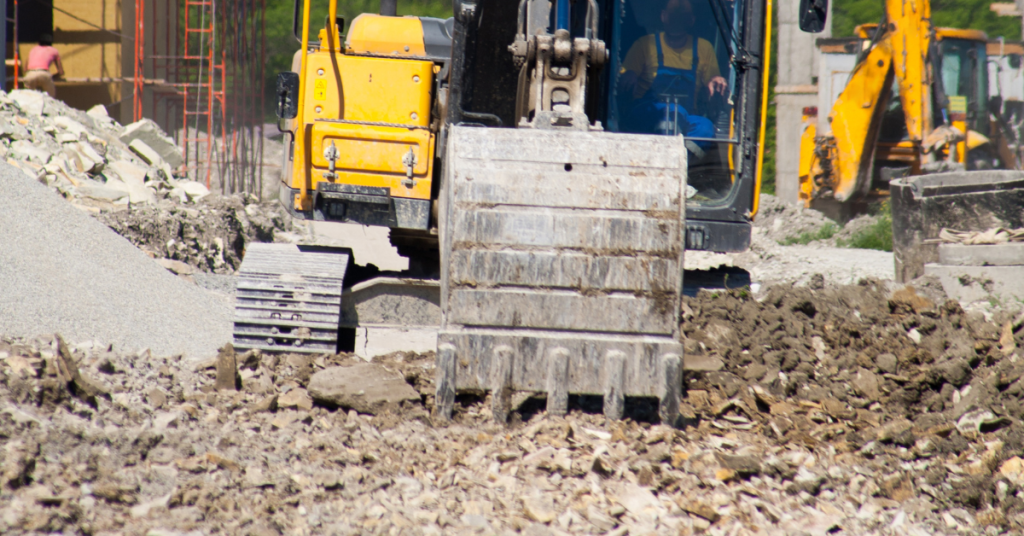
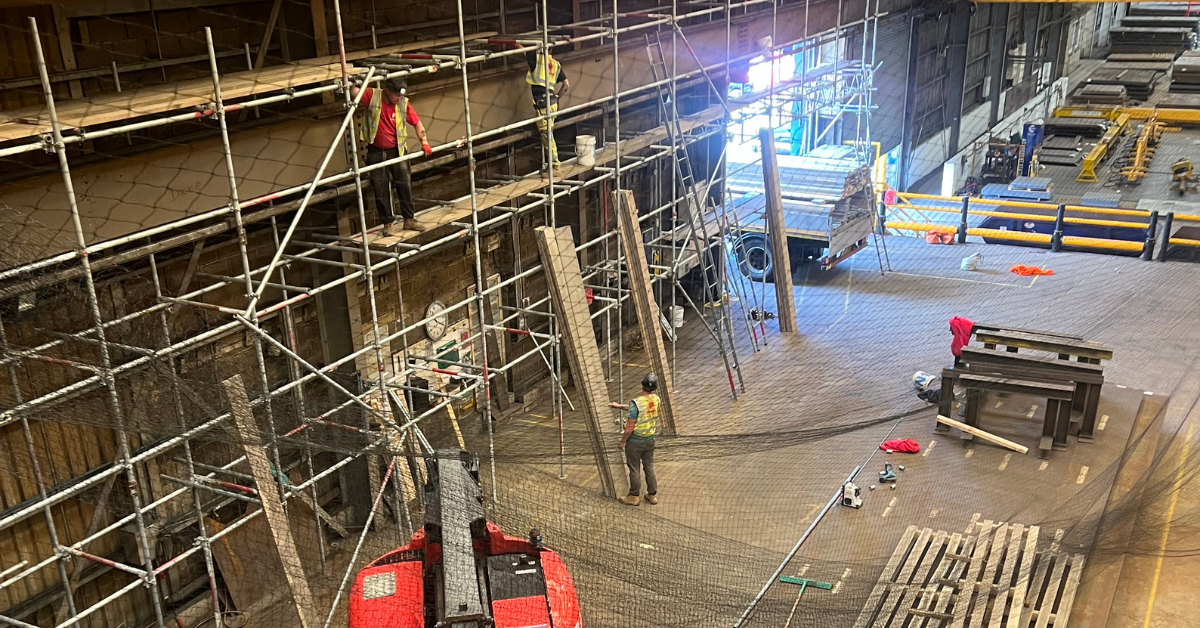
In big cities like Leeds and the surrounding areas, large construction sites are fairly common and these tend to come with many site workers and a lot of waste to dispose of. Indeed, waste disposal methods can be a big factor when it comes to attracting pest birds in the first place.
Pigeons are happy to make their home wherever they find decent shelter and a food source, so that could easily become your construction site if waste such as food and discarded building materials is not managed properly. If birds do choose your site as a good place to nest, you might find you’ve got an infestation to deal with before the construction is even complete.
What problems do pigeons cause?
Having pigeons nesting at your construction site could cause a health and safety hazard for the people working there as pigeons are known to carry various diseases and their droppings could make surfaces slippery for your workers. Nesting pigeons can also cause a lot of noise and disruption at your site.
What can be done about pigeons nesting on construction sites?
It’s not advisable to try and deal with pigeon control yourself as the birds are a protected species, which means that only certain types of treatments can be used to eradicate the problem. Professional pest control services will be able to provide the solution for your construction site if you’re suffering with a pigeon infestation, or help you with bird proofing measures to prevent the birds from choosing your construction site as their new home. If you think you have a problem with pigeons or other pest birds, get in touch with the touch at MJ Backhouse.
Contact us
If you’re looking for a professional and dependable pest control partner for your business, MJB Pest Control is here to help. Contact us today to discuss your specific needs and find out how we can help keep your premises pest-free.
Related articles
View all articles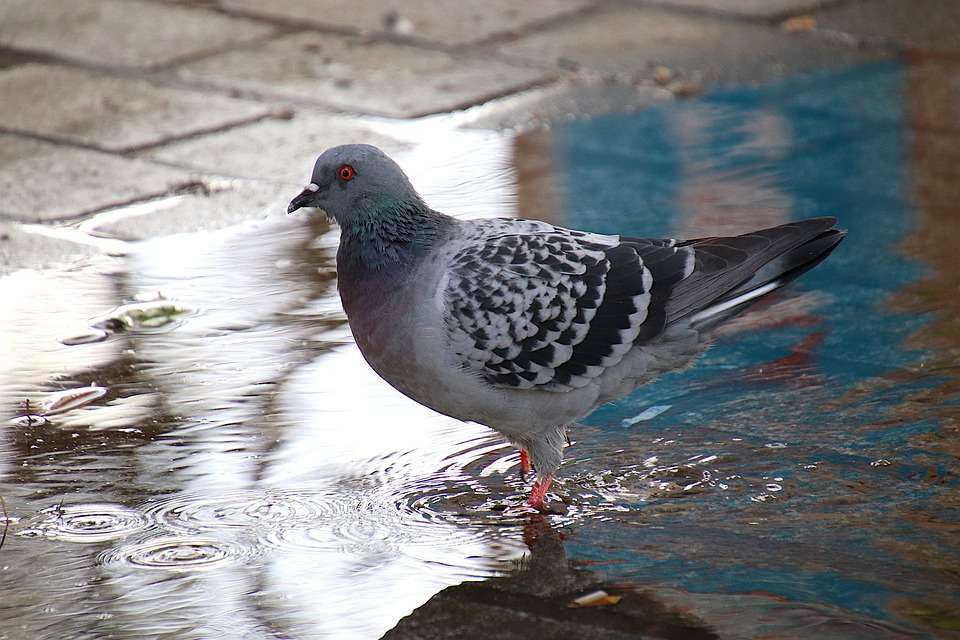


Timing is key in a commercial setting
It goes without saying that no family wants to live amongst pets; however, in a commercial setting time is money, and more often than not a business will need to shut down for the duration of the pest control services.
That’s potentially hundreds of employees (and customers) who are affected, rather than a singular household. Plus for every day a business is shut down, that’s money and income potentially lost.
A wider range of services
In a domestic setting, we tend to come across the same types of pests: bedbugs, mice, or fleas, for example. Whereas in a commercial setting, we could be working in various environments and therefore will encounter a wider range of pests.
There are, of course, some common pests we come across in particular environments, however, the sheer variety of locations means we never truly know what we’re going to encounter.
This, therefore, means that a wider range of services and techniques are often needed on one commercial job vs multiple domestic cases.
Reactive solutions vs preventative maintenance
Often, we’re called out to a domestic property as a one-time job to eradicate and prevent the reoccurrence of common household pests. In a commercial setting, this isn’t always the case.
We’re often tasked with recurring jobs in environments such as offices, restaurants, leisure complexes, and retail outlets. This is usually because there is a higher footfall than in a domestic setting, there are usually more entry points for pests due to larger buildings, and, as a result, preventative maintenance packages are more regularly required.
More to consider in a commercial setting
While this isn’t always the case, there are often more factors to consider when carrying out pest control services on a commercial property compared to a domestic one.
This can be due to the particular requirements of the location such as vulnerable users in hospitals, nurseries, or schools, the size and structure of the building, or the range of pests that may cause problems.
Yorkshire pest control
With more than 35 years of experience, MJ Backhouse Pest Control in Yorkshire is a family-run pest control company that is focused on providing a professional, quality and reliable pest control service across the Yorkshire region. If you’d like to find out more about our domestic or commercial pest control services, please don’t hesitate to contact the team today who will be more than happy to help.
Contact us
If you’re looking for a professional and dependable pest control partner for your business, MJB Pest Control is here to help. Contact us today to discuss your specific needs and find out how we can help keep your premises pest-free.
Related articles
View all articles
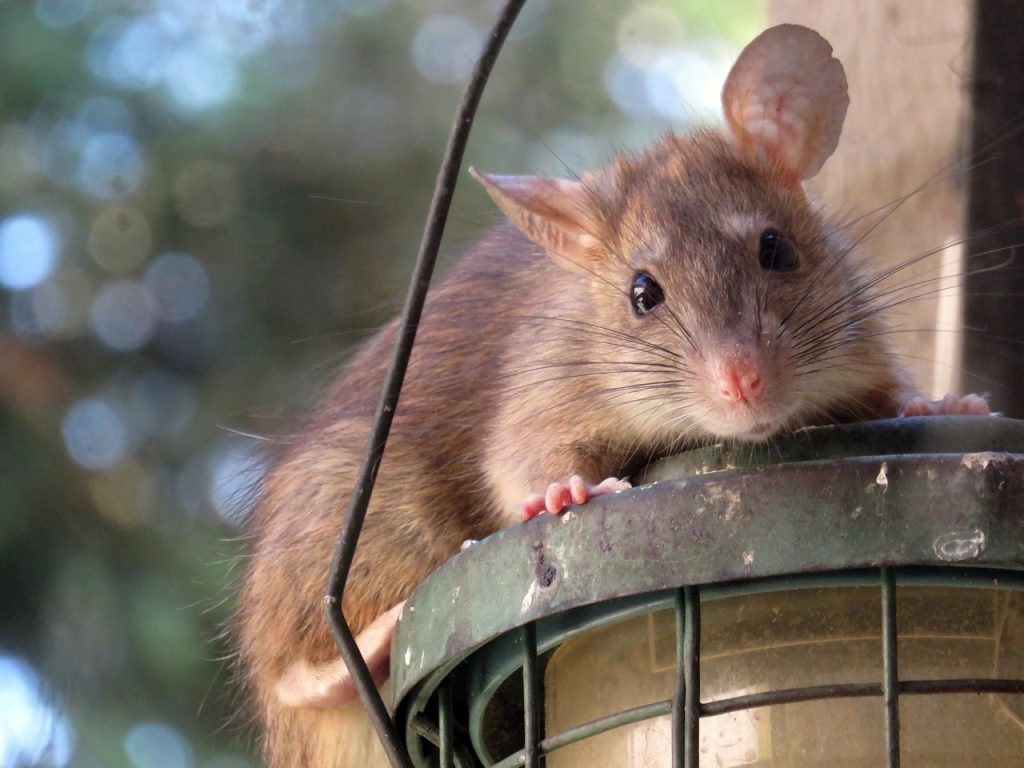
Signs That Rats Are Still Active on Your Premises
The most reliable way to confirm whether rats are still present is to look for the signs they leave behind. A reduction in one type of evidence doesn’t mean all evidence will have disappeared.
Fresh Rat Droppings
Rat droppings are one of the most consistent indicators of active infestation. Fresh droppings are dark, moist and soft to the touch, whereas older droppings dry out, become paler and are harder and more brittle. If you're finding only old, dry droppings and no fresh ones, that's an encouraging sign, but it's not confirmation the rats have gone. They may simply have shifted their activity to a different part of the premises. Focus inspection on areas close to food sources, water, heat and entry points, as these are where rat activity concentrates. Similar signs apply to mice infestations, which can occur alongside or independently of rats on the same premises.
Sounds of Movement
Rats are most active at night and the sounds of movement, including scratching, gnawing, or scurrying in roof voids, wall cavities and behind fitted units, are a reliable indicator that they're still present. In commercial premises, noise is often the first sign staff notice, particularly in roof voids and wall cavities where rats frequently nest. An absence of noise is not itself confirmation that rats have gone, since a smaller population may simply be less audible, or activity may have moved to a less accessible part of the building.
Gnaw Marks and Structural Damage
Rats need to gnaw constantly to keep their teeth worn down, so gnaw marks on cables, pipework, woodwork and packaging are a consistent sign of activity. Fresh gnaw marks have a lighter, rawer appearance than older ones, which tend to darken and smooth over time. New damage appearing on top of older damage is a clear sign that rats are still active, even if other signs are less obvious
Tracks and Grease Marks
Rats follow the same routes repeatedly, running along walls and the edges of rooms rather than crossing open floors. Over time, their fur leaves a dark, greasy smear mark along these regular routes and in dusty areas their footprints and tail drag marks can be seen clearly. Established smear marks that aren't being refreshed suggest reduced activity, but they remain on surfaces for a long time after rats have gone, so they can't be relied on as current evidence on their own.
Bait Being Taken
If bait is being taken consistently and then stops, this can indicate that the rat population has reduced. It can also indicate bait shyness, where rats become wary of baiting points following disturbance. Monitoring bait levels over time, alongside other signs of activity, gives a more complete picture than any single indicator.
Signs That Rat Activity Is Reducing
A combination of signs rather than any single indicator gives the clearest picture of whether rat activity is reducing. No new gnaw marks appearing, droppings drying out and not being replaced by fresh ones, bait stations no longer being visited and an absence of noise over several consecutive nights are all positive signs. None of them individually confirm that the rats have gone, but together they suggest that the population is either gone or significantly reduced. A follow-up professional inspection is the only reliable way to confirm the infestation has been cleared.
Will Rats Leave If There Is No Food?
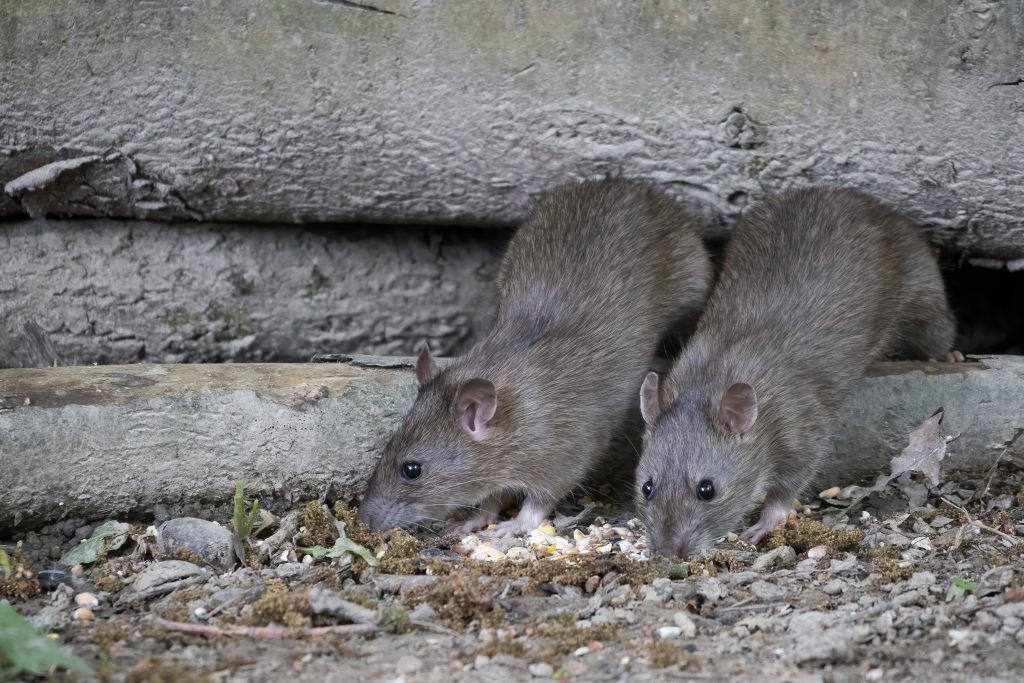
Yes, rats will move on if a food source is removed, but removing food alone rarely resolves a serious infestation. Rats are highly adaptable and resourceful and a population that has established itself with access to water, warmth and shelter will not necessarily leave simply because one food source has been cut off. They’ll seek out another. In urban and industrial environments, food sources are rarely completely removed, which is why rats that have established themselves on a premises tend to persist unless the infestation is actively treated rather than simply managed through hygiene improvements alone.
Good waste management, secured bins, clean food storage and removal of unnecessary clutter that provides shelter are all important in reducing rat pressure and supporting treatment, but they’re not a substitute for professional pest control where an infestation is established.
How Many Rats Are in a Nest?
A rat nest typically contains between three and seven adult animals, though this varies depending on the stage of the breeding cycle and the size of the population. Females can produce litters of six to twelve and young rats reach sexual maturity in as little as five weeks, meaning a small number of animals can become a large population remarkably quickly. A single breeding pair can theoretically produce hundreds of descendants within a year under favourable conditions, which is why early intervention is always more effective than waiting to see whether the problem resolves itself.
Do Rats Come Back to the Same Place?
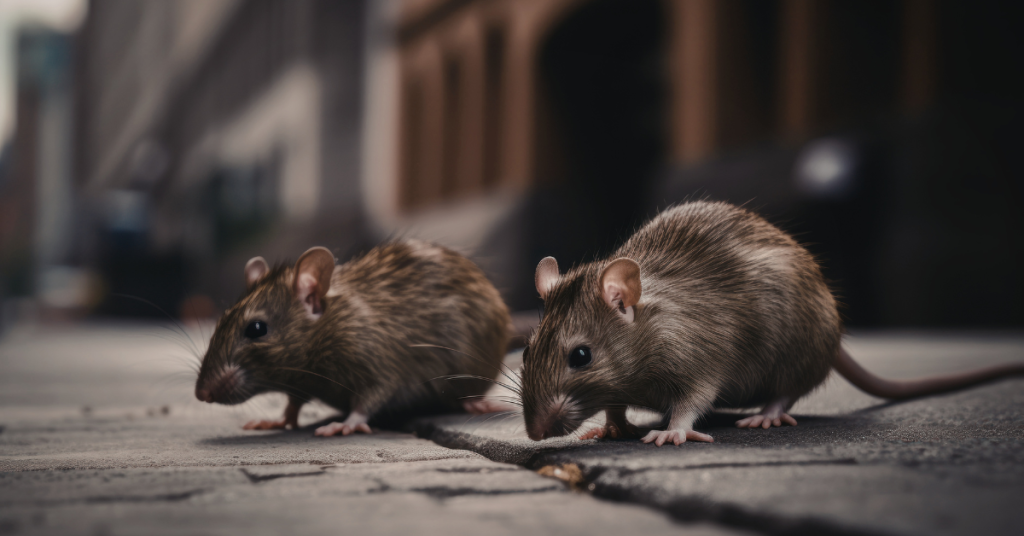
Rats have strong instincts and will return to a site where they’ve previously found food, water and shelter, provided those conditions still exist. Relocating rats by trapping them alive and releasing them elsewhere is therefore not an effective long-term solution. Successful rat control requires both treating the active population and addressing the conditions that made the site attractive in the first place, including blocked entry points, secured food storage and managed waste.
Even after a successful treatment, a site that hasn’t been proofed remains vulnerable to reinfestation from neighbouring areas. This is particularly relevant in urban settings, in food processing environments and on agricultural land, where rat pressure from the surrounding area is a consistent ongoing risk.
How Long Do Rat Droppings Remain Infectious?
Rat droppings can remain infectious for a significant period after they’ve been deposited. The bacteria and viruses that rats carry, including Leptospira (which causes Weil’s disease), Salmonella and hantavirus, can persist in dried droppings for days to weeks depending on conditions. This means that even after rats appear to have gone, their droppings remain a health risk until the affected area has been properly cleaned and disinfected. This is particularly important in food preparation and storage areas and is one of the reasons why professional decontamination is recommended following any rat infestation on commercial premises, not just treatment of the animals themselves. The rats and mice pest control service we provide covers treatment, monitoring and follow-up to ensure the premises is safe to return to normal use.

What to Do If You Think Rats Have Gone
If visible rat activity has reduced and you want to confirm whether the infestation has been cleared, the right approach is a professional inspection rather than simply monitoring the situation and hoping for the best. We carry out follow-up surveys as part of every commercial rat and mice treatment, confirming clearance and identifying any residual activity or conditions that could lead to reinfestation.
Where a treatment plan has been completed, a proofing inspection should follow to identify and address the entry points that allowed rats to establish in the first place. A commercial pest control contract that includes regular monitoring visits is the most reliable way to stay ahead of rat activity rather than reacting to it once it’s already visible.
Knowing whether rats have gone requires more than waiting for the obvious signs to stop appearing. Fresh droppings, gnaw marks and sounds of movement are the most reliable indicators of ongoing activity and the absence of these signs needs to be confirmed through inspection rather than assumed.
For commercial premises across Yorkshire, MJB Pest Control provides professional rat treatment, follow-up inspections and proofing advice to confirm clearance and prevent reinfestation. Call 0800 542 6359 or contact the team to arrange a survey.
Contact us
At MJ Backhouse, our rodent pest control service comprises our team of experts who can help provide advice on pest proofing and preventing reinfestation once a treatment plan has been outlined. Get in touch today to find out more about how we can help.
Related articles
View all articles
Storing Your Bird Food is Key
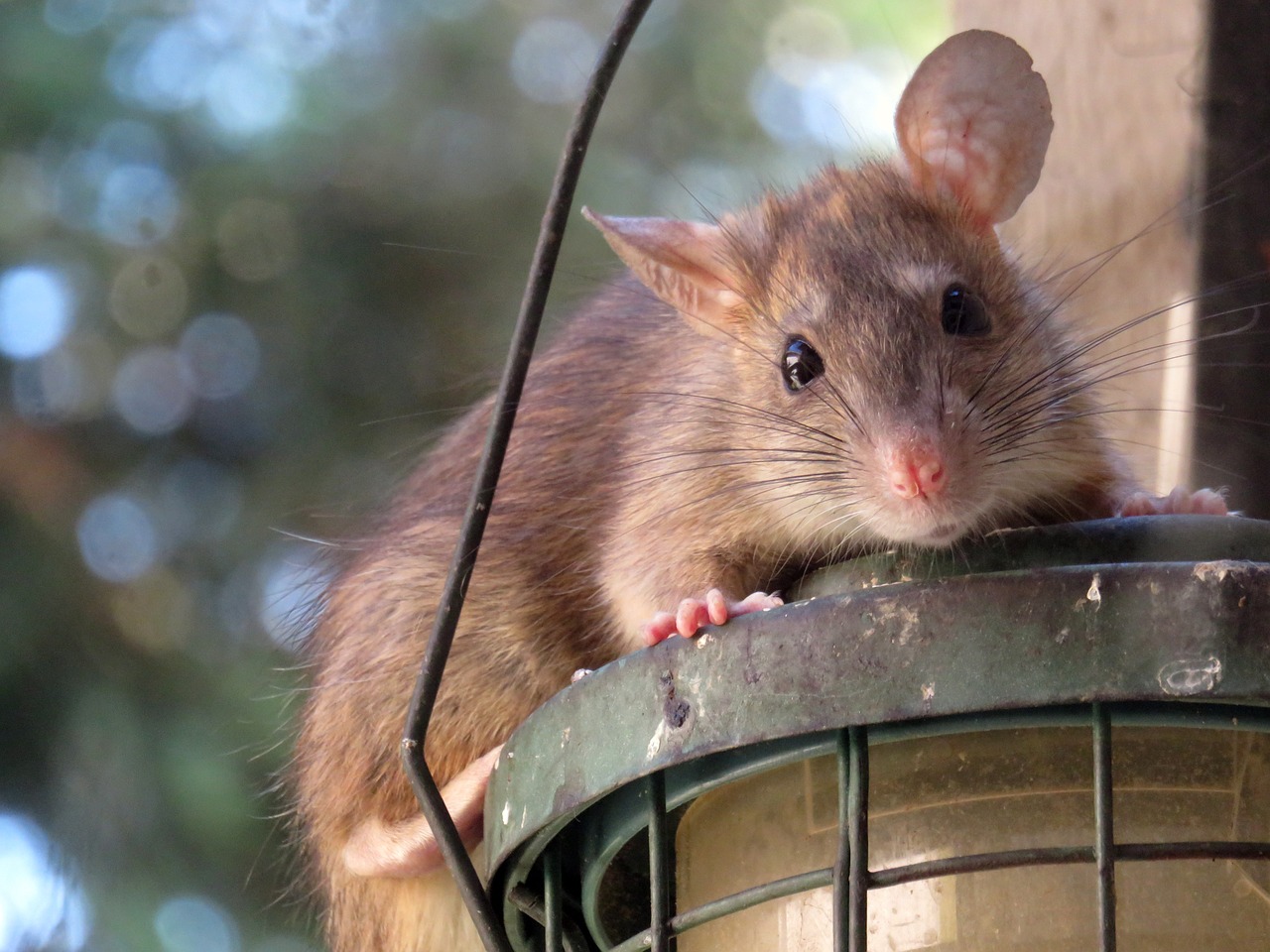
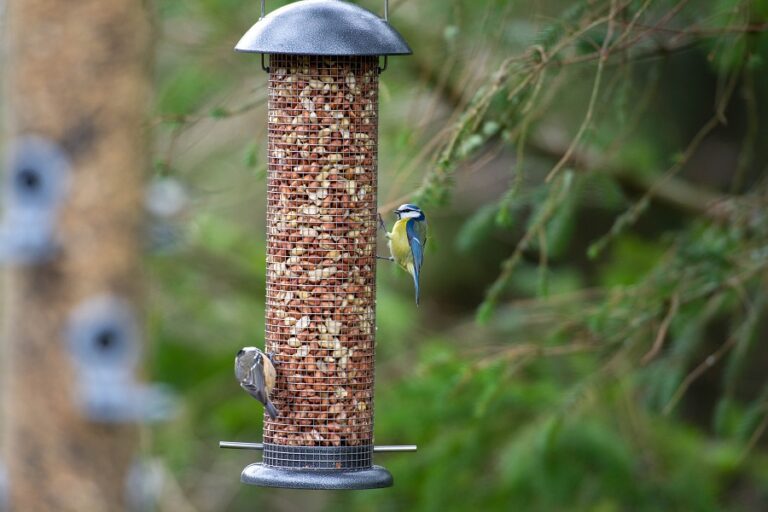
Rats are known for their gnawing abilities and can chew through wood, plastic and other materials if they think it’s going to pay off. Rodents aren’t fussy with their meal selections so bags of bird seed left out in the open make the ideal food source for pests. Tackle this by keeping any bird food stored tightly away and ideally up high to deter rodents.
Rat-Proof Your Garden
Maybe a controversial tip, but you don’t need to panic and start laying our rat poison. Rat-proofing your garden is one way to try and deter them from your bird food. However, it’s important to note that rat-proofing your garden will also deter other wildlife such as squirrels and hedgehogs. If you’re happy to seal off your garden to any visitor bar birds, there are a few ways to do this but it mainly involves blocking holes under: • Sheds • Decking • Fences • Gates Just be careful not to scare off your beloved garden birds!
Keep Your Garden Clean
If you picture a group (or a mischief!) of rats, you’ll likely picture them foraging for food in a dark alleyway, surrounded by dumpsters and piles of rubbish. Doesn’t sound the cleanest, does it? By keeping your garden as clean and tidy as possible, you’ll give rats less of a reason to snoop and look for a food source. This means ensure you don’t leave food waste out, secure your bin lids, clear any debris or rubbish and generally maintain your garden.
Speak With A Professional
If you feel like you’ve tried everything and you still can’t keep those pesky rodents at bay, you may have a rat infestation.
Because of the damage rats and mice can cause, seeking professional rodent pest control can often end up saving you money. At MJ Backhouse, our qualified pest controllers are experts in what they do and can help provide advice on pest proofing and preventing reinfestation once a treatment plan has been outlined. For more information about how we can help, get in touch today.
Contact us
If you’re looking for a professional and dependable pest control partner for your business, MJB Pest Control is here to help. Contact us today to discuss your specific needs and find out how we can help keep your premises pest-free.