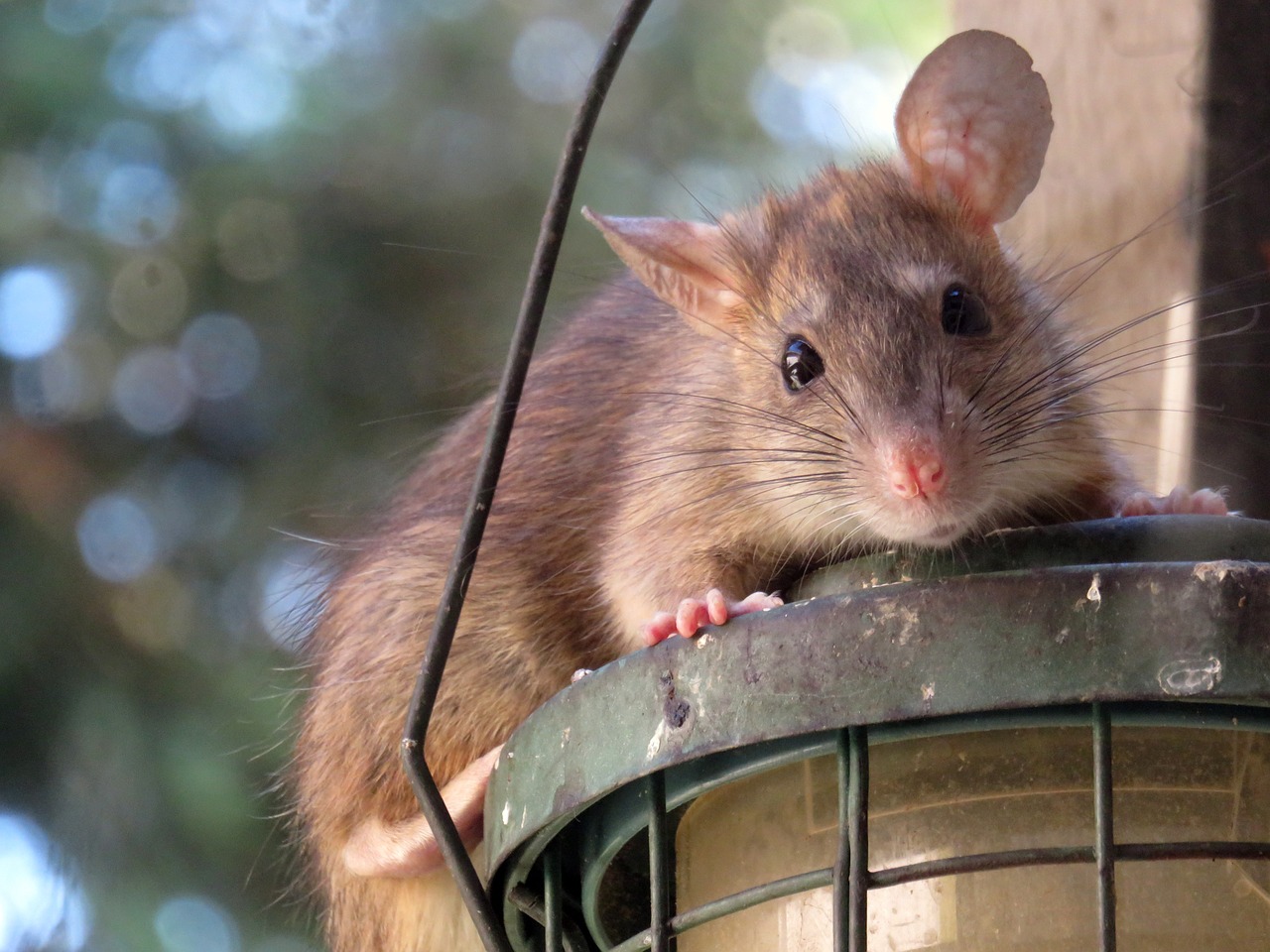
Can mice climb stairs?
A mouse might not take the conventional route to climb stairs as humans do but they can easily get upstairs if they want to.
As mentioned, mice are persistent, and a human staircase will do little to stop them from exploring the confines of your house or business property. Not only can they run or jump up the face of each step, there’s also often a handrail or bannister for them to climb that makes the ascent much easier.
If you’ve spotted the signs of a rodent infestation in an upstairs part of the property, don’t assume you’re imagining things as mice are always on the hunt for the best place to nest, even if it’s a bit more effort to get there.
Can mice climb walls?
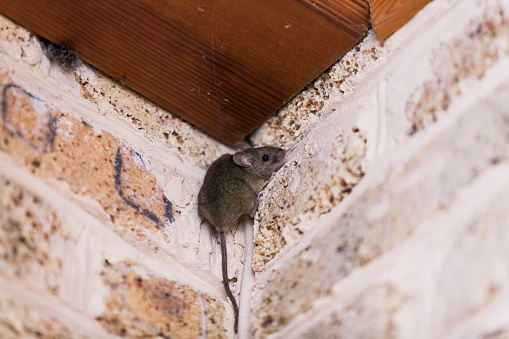
Erase the image of a mouse scaling a 90-degree angle. They can’t. However, they can find ways to overcome the challenge.
Mice might not be able to run up a flat surface but most UK houses and buildings are made from brick or concrete and this kind of porous material makes it easier for the tiny rodents to grip.
Most buildings also offer mice the perfect climbing aid such as wiring or pipework or vines and plants, making it easier for them to find a way inside without needing to show off their balance and acrobatic skills.
Can mice climb through windows?
Perhaps even more unsettling than the sight of a mouse orienteering its way up your walls, is the idea that it is somehow phasing through your windows.
If mice can climb walls, there’s no reason why they wouldn’t be able to access an open window above ground level or exploit any gap or opening around your windows as an entry point.
It’s unlikely that a brazen mouse would lunge through a recently opened window, but poorly sealed windows and doors or windows left open in unused rooms make it easy for a family of mice to move in.
Mice are relentless in their search for warm shelters to build nests and access to food sources. Once they identify your home or business property as a suitable target, they become determined pests capable of chewing, gnawing, and climbing to find suitable entry points. While a mouse won’t always have to climb to find a way in, it’s certainly not uncommon for them to scale your walls or get upstairs if they know it will pay off and offer them food and shelter.
Can mice get inside walls?
The short answer is yes, but it depends on the material your walls are made out of. If your walls are made out of solid brick, then it is very unlikely that a mouse would be able to make its way inside. However, if your walls are hollow, particularly internal walls and cavities, then it will be much easier for them to navigate.
In addition, mice are extremely flexible, making even the tightest of squeezes an option for them.
Mice can often be found using pipes to get around as well, both internally and externally. Even if a mouse isn’t in your walls, per se, it may be inside the pipes that run throughout them. If you think this might be the case, check the pipe entrances for any signs of life, including mouse droppings.
Make sure your pipes are well maintained and not corroded due to weather conditions. A mouse will leave no gap untried.
Contact us
If you’re looking for a professional and dependable pest control partner for your business, MJB Pest Control is here to help. Contact us today to discuss your specific needs and find out how we can help keep your premises pest-free.
Related articles
View all articles


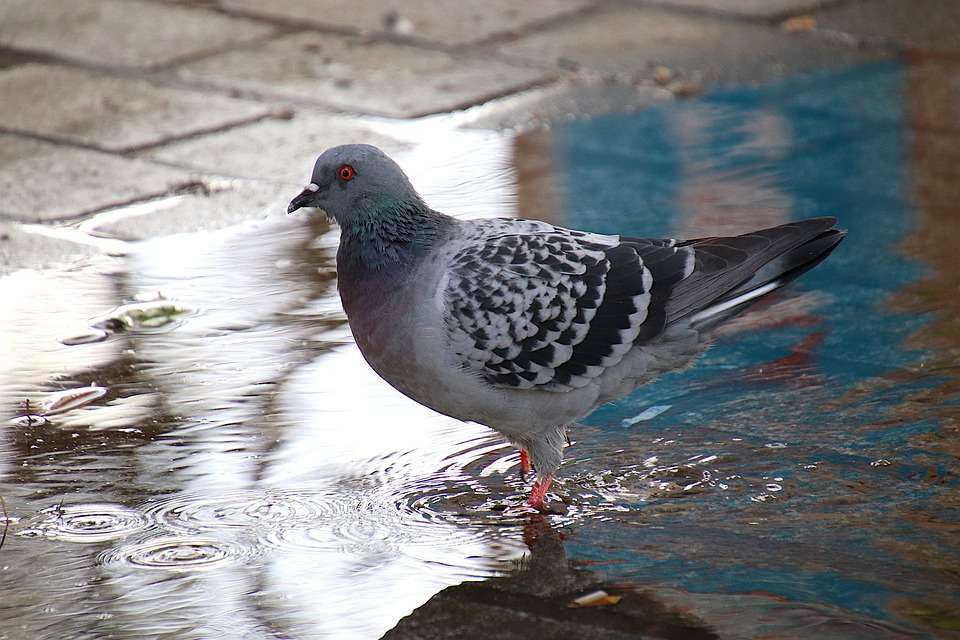
Solar panels are a great option for homes and businesses that are environmentally conscious and want to save some pennies in the long run. However, an unexpected consequence of their installation is solar panels make an ideal home for pigeons.
With the growing demand for solar panels across homes and businesses in Yorkshire, the number of pigeon-related pest control enquiries has seen an increase. MJ Backhouse has put together a guide on how to get rid of the so-called flying rodents thanks to our years of industry experience.
Why Do Birds Nest Under Solar Panels?
Solar panels provide an enticing site for pigeons looking for shelter and a safe place to build a nest. The roof is sheltered under the protective canopy of solar panels, keeping birds safe from the elements and predators.
Pigeons will quickly discover that a roof with solar panels is the ideal location for building their nest and rearing their young.
Unfortunately, this can lead to a build-up of pigeon waste that can be very difficult to remove without damaging the property.
How to Prevent Pigeons from Nesting Under Solar Panels
Pigeons will hunt out a nesting location that’s close to a food source – and they can find a food source almost anywhere. Here are a few measures you can take to prevent a bird problem from happening:
- Pest control experts can install preventative measures like bird netting, spring wires or spikes which are designed to prevent pigeons from gaining access to your solar panels
- Ensure your roof is kept tidy and that there are no possible food sources, particularly if you have a flat roof
- Keep your garden and the area surrounding your property clean and free of waste or food scraps
- Clean up garden materials such as twigs and leaves close to your property to prevent pigeons using them as nesting materials
- Avoid storing pet food outside and keep it in sealed containers if necessary
- Don’t leave rubbish bags outside and make sure your bins have securely fitted lids
What to do When Pigeons are Nesting Under Solar Panels
If you have a problem with nuisance birds nesting on your roof, or if you’ve recently had solar panels installed and are looking at how to prevent a pigeon issue from occurring, solar panel bird proofing measures should be taken.
Do Solar Panels Attract Pigeons?
The short answer is yes. Pigeons, along with other birds like solar panels for a variety of reasons, with one of the main factors being where they are located.
Birds want to find high-up viewpoints to scout out food and water and solar panels are ideally located on top of roofs to do this.
They also provide shelter from harsh weather, as pigeons build their nests on the underside of the solar panels.
Contact us
If you are looking for pest control experts to help with a pigeon problem in Yorkshire, please call our team on 0800 542 6359 and they will be able to help you find the solution.
Related articles
View all articles
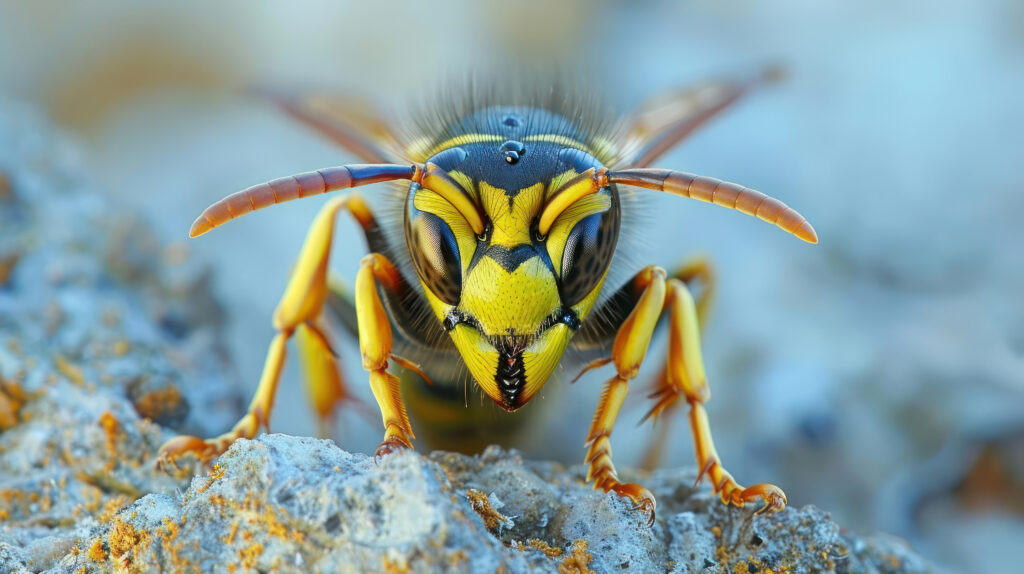
Do wasps sleep?
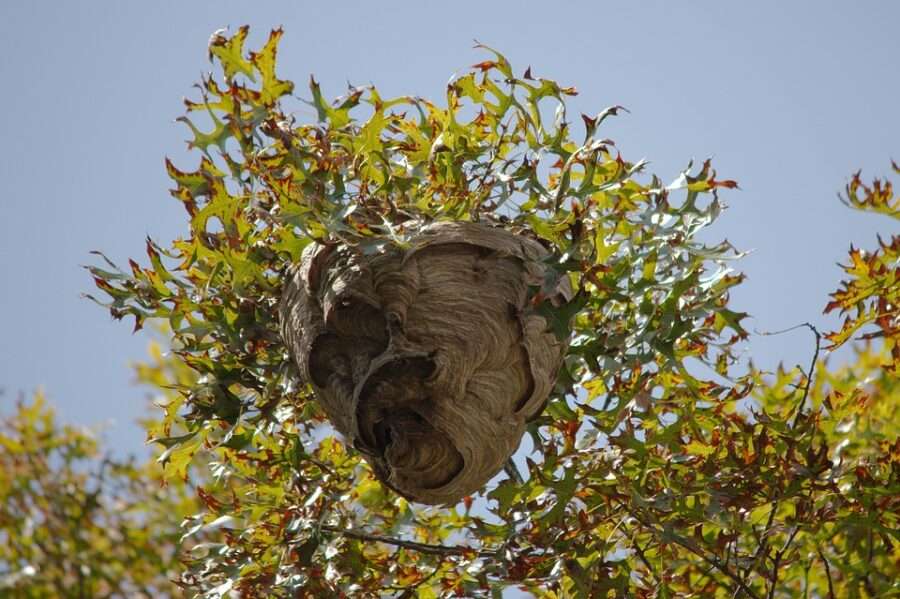
It seems cosy to think of wasps returning to their nests at night and tucking in their young ready for a night of rest, but the reality is that wasps do not sleep in the same way that humans do. Wasps do return to their nests and may appear inactive at night but they do not sleep in the way we might think of sleeping.
What do Wasps do at Night?
Wasps don’t fly at night and will be confined to their nest. During this time, they carry out duties such as caring for larvae and making any repairs needed to the nest.
If you approach a wasp nest at night, you might be able to hear the noise that larvae make or the worker wasps attending to nest repairs.
Is it Best to Remove a Wasp Nest at Night?
Often guides to DIY wasp removal will recommend acting at night. This is because most of the wasps will have returned to the nest, meaning it’s possible to remove the colony completely. Wasps are also thought to be easier to deal with at this time as they are less active.
However, this method is still extremely dangerous and we do not recommend any attempts to remove a wasp nest yourself. Always seek the advice of a professional pest controller before carrying out any DIY pest control methods and never attempt any sort of wasp control if there is a chance you could be allergic to wasp stings.
Do You Need to Have a Wasp Nest Removed?
If they’re not bothering you, you can usually safely ignore a wasp nest. However, if wasps are causing any property damage and have made a nest in or close to your property such as in the loft, garage or under the eaves, or in outdoor areas such as sheds and outbuildings that you access regularly, you might find it best to have the nest removed. Whenever there is the risk of injury or safety concerns around wasps such as on commercial properties or if someone is allergic to their stings, you should also contact a pest control company to deal with the nest for you.
Contact us
If you’re looking for a professional and dependable pest control partner for your business, MJB Pest Control is here to help. Contact us today to discuss your specific needs and find out how we can help keep your premises pest-free.
Related articles
View all articles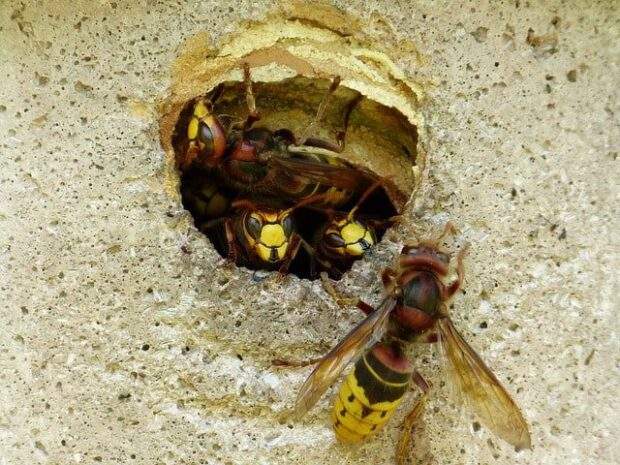
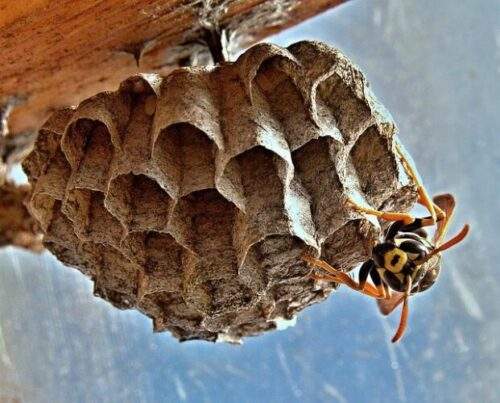
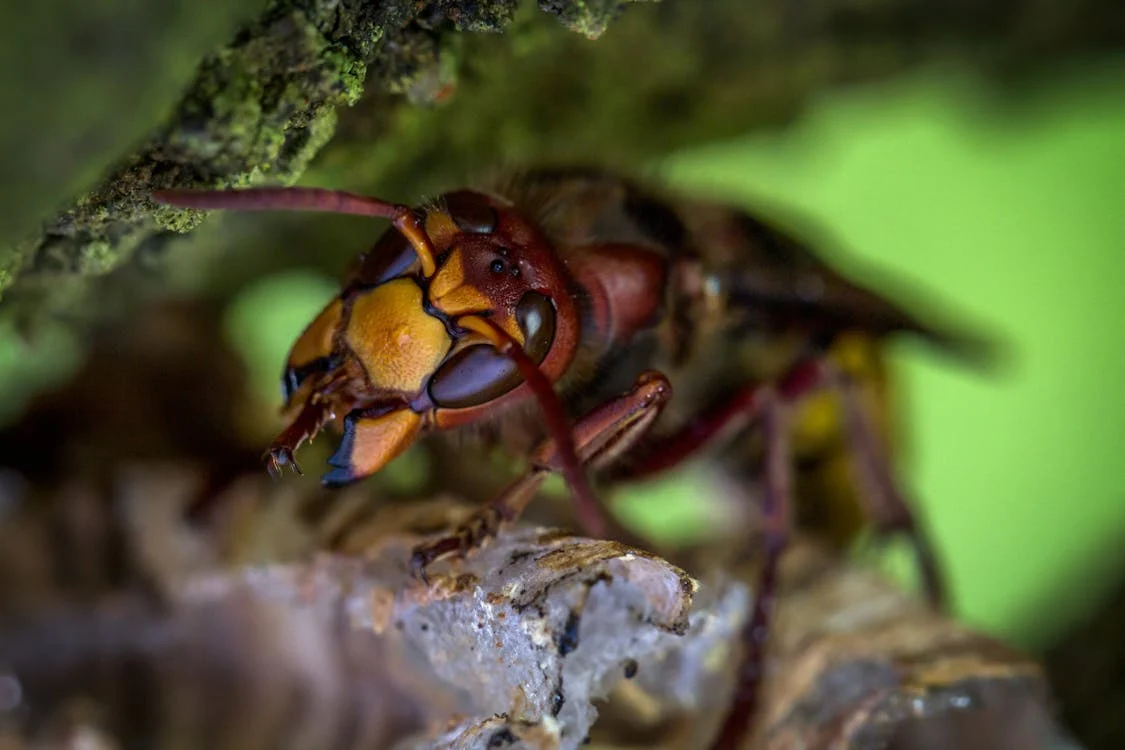
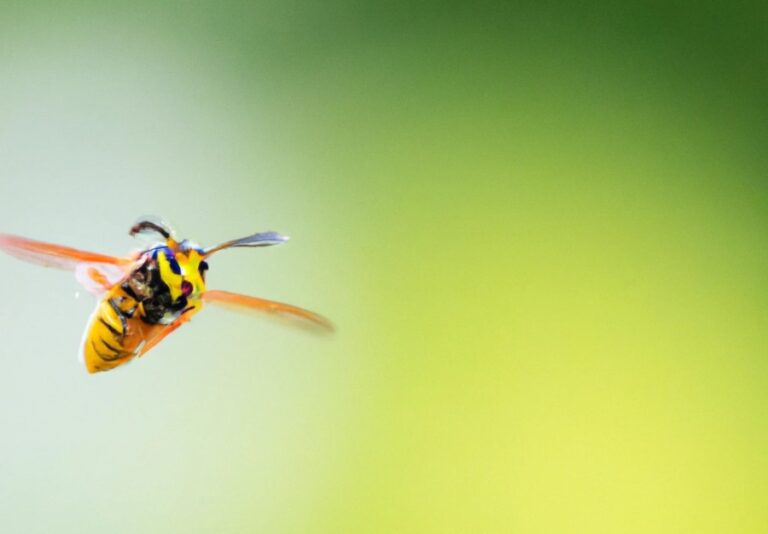
As the weather gets warmer and the nights a little brighter, you may have noticed that the amount of wasps you see every day starts to pick up. For better or for worse, wasps seem to make an appearance no matter what you do in the spring/summer months… But when exactly do wasps officially come out and is there anything you can do to keep them away?
When is wasp season?
Wasps start building their best in the spring when the Queen emerges from hibernation, but you’re more likely to start noticing wasps in the summer months of June and July. This is because the workers will be out searching for food, supplies, and nesting materials for their swarm.
Around this time is also when people begin to notice signs of an active wasp nest including increased activity around the entrance.
What happens at the end of wasp season?
You’ll be pleased (or not) to know that it’s not just your imagination; wasps are more aggressive towards the end of the season in the autumnal months.
This is because the swarm begins to panic, frantically searching for enough food to support their hibernating queens. As a result of this panic, you may notice more aggressive behaviour from the flying insects as the workers turn their attention to sugar instead of hunting for prey as they do in earlier months.
When do wasps die?
Usually, wasps begin to die as the weather gets colder and reaches temperatures below 0 degrees Celsius although there is no set date as such.
When does wasp season end?
When the nest begins to die out in the colder months. In the UK, this is typically around September or October time depending on the weather conditions but we have spotted winter wasps before!
If you find you’re having issues with a wasps nest towards the end of the season, in most cases it’s safe to simply leave the nest alone and wait for nature to take its course. However, you may choose to have the nest removed, particularly if it’s discovered in peak wasp season or it’s causing issues such as home damage or allergies.
In this case, we strongly advise that you don’t attempt to remove the nest alone and that you consult a professional who has ample experience in wasp pest control.
Contact us
With more than 35 years of experience, MJ Backhouse Pest Control in Yorkshire is a family-run pest control company that is focused on providing a professional, quality and reliable pest control service across the Yorkshire region. If you’d like to find out more about how we can help make wasp season easier this year, get in touch to speak with the team today.
Related articles
View all articles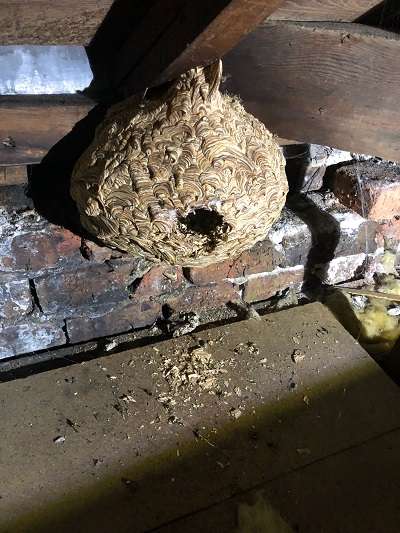
What is the difference between bees and wasps?
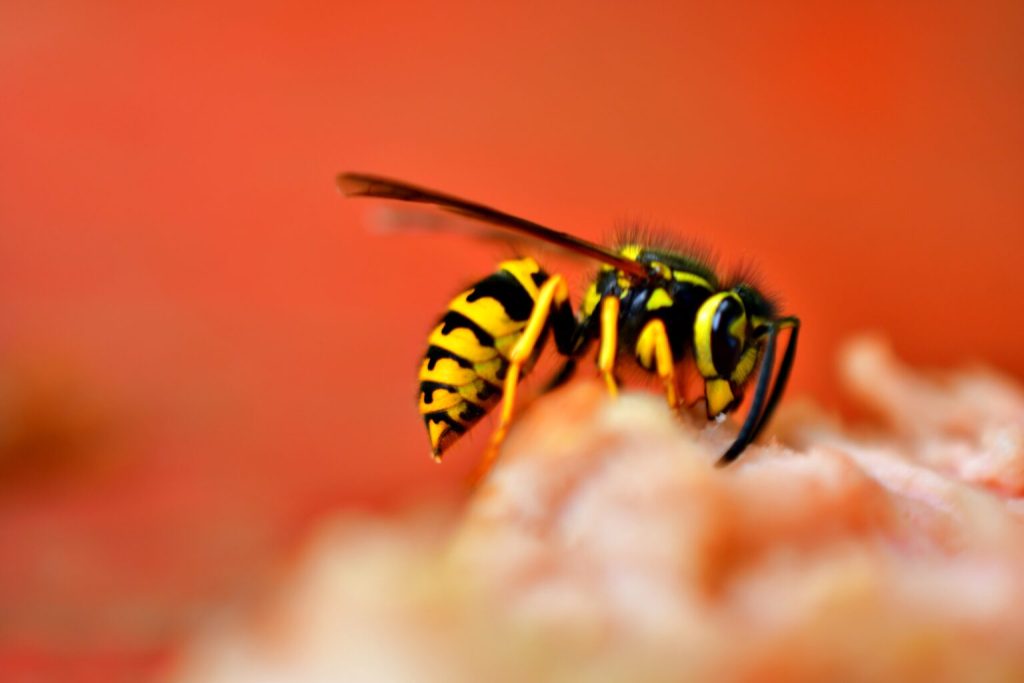
At first glance bees and wasps may appear very similar. They are both distinctive in their iconic yellow and black colours, with their body shapes sharing a close resemblance. However, the two species have many differing aspects that keep them apart.
The most obvious and well-known difference between bees and wasps is the fact that bees will die when stinging humans, while wasps will live on to annoy you for another day. This is because mammal skin is too fibrous for the bees to release their stinger, so in attempting to escape, bees tear their abdomen. This only affects honeybees.
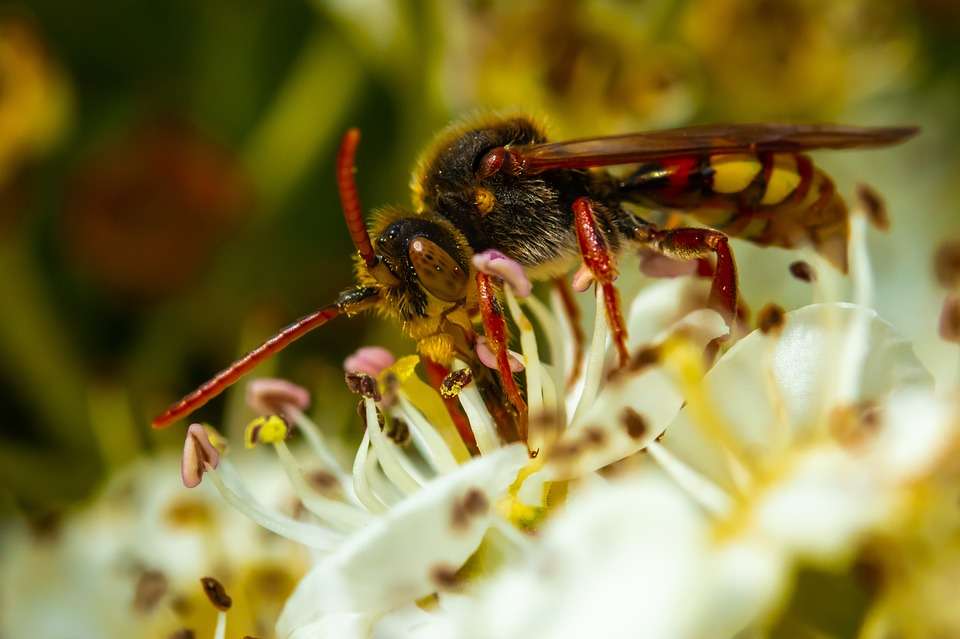
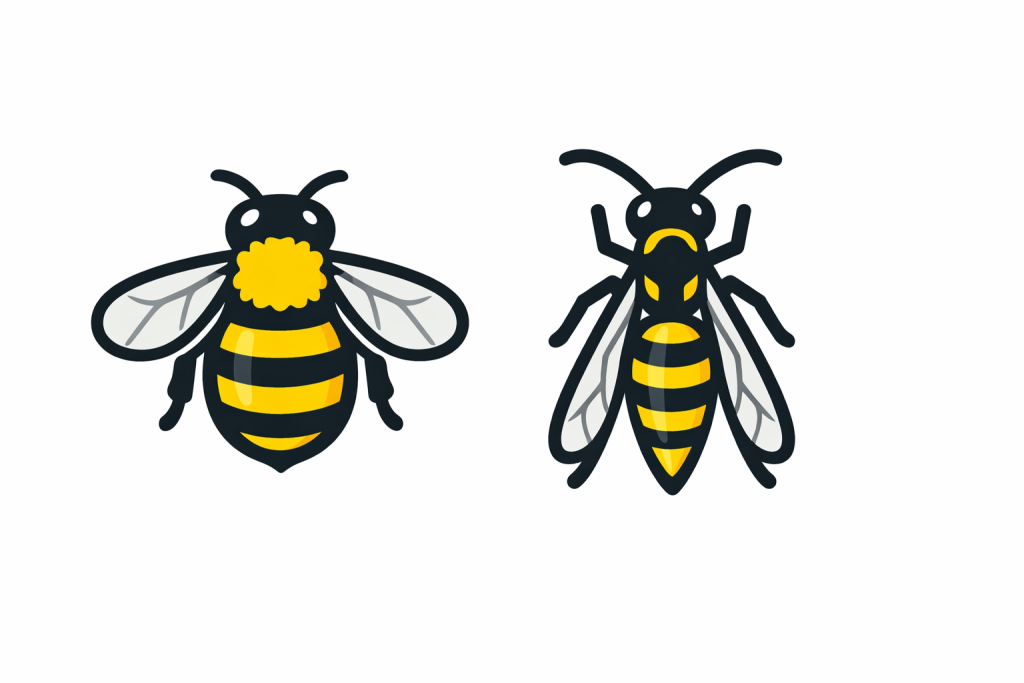
In terms of surface-level differences, bees are fuzzy with their tiny hairs being used to collect pollen. Wasps on the other hand are bald and have a shiny appearance. Bees are thicker too, while wasps are thinner. Bees also tuck their legs in while flying but wasps let them hang low.
What do wasps do?
An occasional sting from a bee can be forgiven thanks to all the delicious honey they help to produce, but what is the point of wasps? There are over 7000 species of wasps in the UK alone and even though they aren’t producing honey, they are still important pollinators.
They play a hugely important role in the ecosystem and help to keep other insect species in check. Wasps are a natural form of pest control, with adult wasps killing bugs like flies to feed to their young. So why do wasps seem so aggressive? Well, the stinger used to subdue their prey and defend their nests and themselves.
Why is World Bee Day Important?
Recognising World Bee Day is more than just a tribute; it’s a call to action. The decline in bee populations not only threatens the diversity of our natural world but also poses a significant risk to agricultural systems that rely heavily on pollination.
Furthermore, while we often focus on the harm that bees and wasps can cause when they invade our spaces, it’s important to remember the roles they play in our ecosystem. On World Bee Day, and beyond, educating the public about the differences between these insects and how to safely manage encounters with them is crucial.
For instance, understanding that wasps can be more aggressive than bees, but both should be dealt with cautiously and humanely when they pose a problem at home or in business premises. MJ Backhouse is committed to offering professional pest control services that respect the ecological roles of these insects but while protecting your property first and foremost.
Contact us
If you’re looking for a professional and dependable pest control partner for your business, MJB Pest Control is here to help. Contact us today to discuss your specific needs and find out how we can help keep your premises pest-free.
Related articles
View all articles
1. Cost Savings

One of the biggest reasons to invest in preventative pest control is the potential for significant cost savings. Pests can wreak havoc on your property in various ways. For instance, rodents can gnaw through electrical wires, leading to not only costly repairs but also potential fire hazards. Birds nesting in your roof can cause blockages and water damage, resulting in expensive repairs if left unchecked. The total cost to repair this kind of damage can easily run into the thousands, not to mention the stress and inconvenience it can cause during the process.
By implementing preventative measures, you can drastically reduce the risk of such costly damage before it happens. Regular inspections by pest control professionals can help identify weak spots in your property—like cracks in walls or gaps around windows—that could become bigger problems down the line. These early interventions can save you from significant headaches and expenses later on. Additionally, preventative pest control is often cheaper than reactive measures. When you address potential issues before they escalate into full-blown infestations, you save not only on repairs but also on the costs associated with emergency pest control services. In the long run, investing in preventative pest control is a smart financial decision that protects both your property and your peace of mind.
2. Protecting Your Business Reputation

Your business’s reputation is incredibly valuable, and pest problems can quickly tarnish it. Even outside the food sector, infestations can damage trust and loyalty.
Imagine a guest waking up with bed bug bites in a hotel or spotting signs of rodents in your office. These experiences can be really off-putting and might lead to negative reviews that can spread like wildfire. In today’s world, a few bad reviews can deter potential customers, making it crucial to handle any pest issues quickly. That’s where preventative pest control comes in. It helps you keep your environment clean and safe, which is essential for ensuring your clients feel comfortable and happy.
Taking pest management seriously shows that you’re committed to providing quality service. Plus, staying on top of pest control helps you comply with health and safety regulations, which can vary from one industry to another. This not only boosts your reputation but also helps you avoid fines and closures due to health inspections.
For more insights check out our article on why commercial businesses need pest control. It dives deeper into how ignoring pest issues can impact your reputation and bottom line, giving you valuable information on the benefits of being proactive.
3. Reduced Health Risks

Many pests, such as rats and mice, are carriers of diseases that can easily spread through their droppings and other waste. The World Health Organisation estimates that around 500,000 lives are lost each year around the world, due to foodborne illnesses linked to eating unsafe food that is likely contaminated with numerous food insects. This statistic highlights the serious health risks posed by pests, especially in commercial settings where food is prepared and served.
By implementing preventative pest control measures, you significantly lower the risk of exposing your customers to disease-carrying pests. Regular inspections are key; they allow you to identify potential problems before they escalate into infestations. Alongside inspections, good sanitation practices—like keeping food areas clean and properly storing ingredients—are essential in keeping pests at bay. Simple actions, such as sealing food containers and promptly cleaning up spills, can make a big difference in preventing pests from finding a home in your premises.
4. Reduced Downtime

Another significant advantage of preventative pest control is that it helps reduce downtime caused by infestations. When a pest problem arises, not only do you need to treat the issue, but you may also face additional downtime due to repairs and lost business opportunities.
For example, a restaurant dealing with a rodent problem may have to close for treatment and repairs, leading to lost income and unhappy customers. The impact can be severe; regular customers may choose to go elsewhere, and new customers may be deterred by negative reviews. Even businesses that don’t primarily deal with food, like offices or retail shops, can experience significant setbacks. Any type of infestation can disrupt operations, making it harder for your staff to do their jobs and ultimately affecting your bottom line.
Preventative measures help you avoid these headaches altogether. By keeping pests at bay, you can maintain smooth operations without the interruptions that come with reactive pest control. This means your staff can focus on their work instead of dealing with the fallout of an infestation, ultimately leading to higher productivity and better service.
At MJ Backhouse, we specialise in pest control solutions tailored for businesses, ensuring your commercial property remains pest-free and safe for all your customers and staff. If you’re looking to set up preventative pest control or need urgent help, get in touch with us today.
Contact us
If you’re looking for a professional and dependable pest control partner for your business, MJB Pest Control is here to help. Contact us today to discuss your specific needs and find out how we can help keep your premises pest-free.