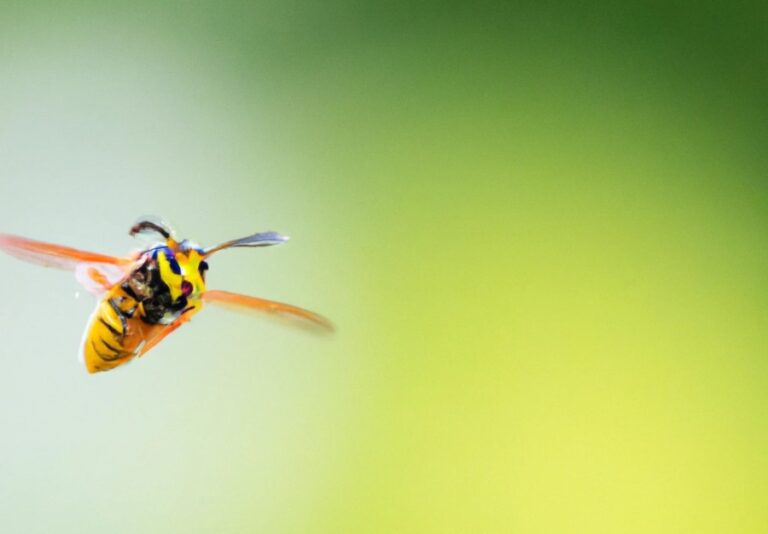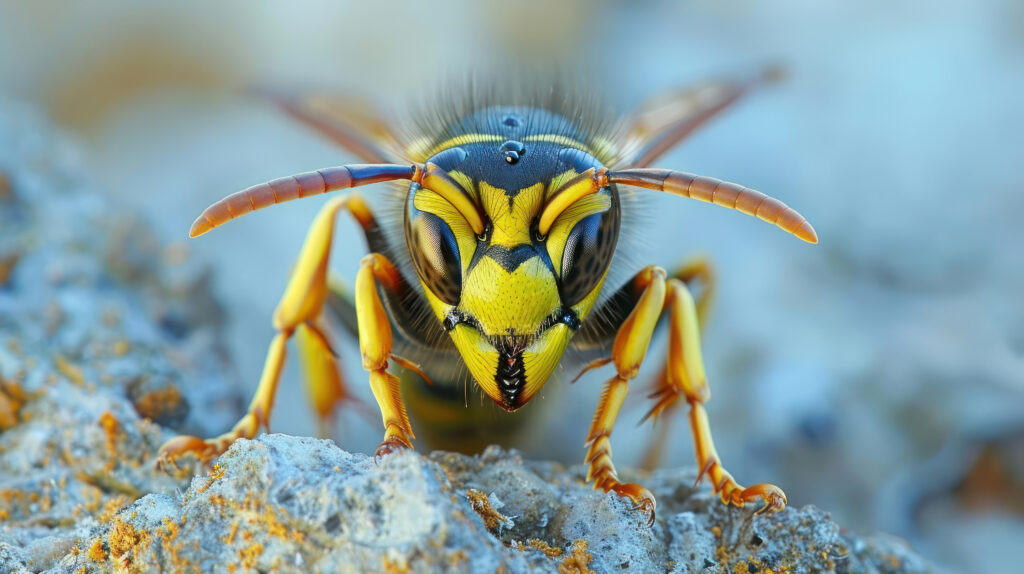
While the thought of wasps invading picnics and generally posing a nuisance around your home and garden sends most people into a panic, they could be good for the garden.
Read on to discover the top reasons why the buzzing insects might prove useful when it comes to the outdoors.
Wasps are natural pollinators
Most people think of bees as pollinators rather than wasps, but both provide a useful amount of pollination. Wasps don’t have as much hair on their bodies as bees so it’s thought that they don’t collect as much pollen to transfer between flowers. While little research on wasp pollination exists, there are some species of orchid that are only pollinated by certain wasps and the fig wasp is also a good example of this.
Wasps are natural pest control
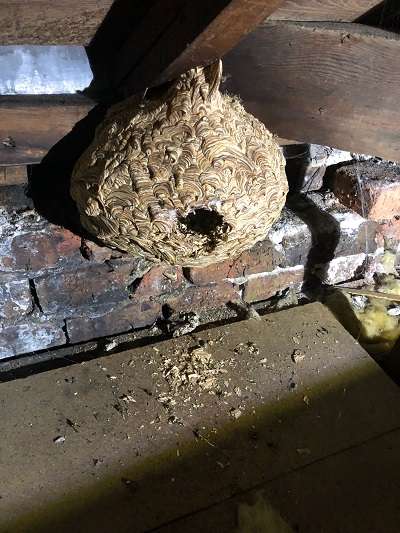
No-one wants to discover that wasps have built a nest in your shed, garage, eaves of the house or any other inconvenient location. But if it’s possible to leave the nest alone, you might see the benefits of free garden pest control in the summer months. A single wasp nest can produce hundreds or even thousands of larvae so wasps will seek out flies, aphids, caterpillars and other garden pests to feed to their young. Without the vital ecological role that wasps play in controlling the numbers of crop-eating insects, it’s likely our environment would be full of potential pests.
Is it possible to live with a wasp nest close by?
While wasps have a reputation for being aggressive, they won’t attack for no reason. However, they will defend themselves and their nests from humans with a painful sting. The venom in a wasp sting contains pheromones which send a distress signal to other nearby wasps to help them out. If you’re stung once, this could mean you end up with a larger attack on your hands.
How can you avoid a wasp sting?
While your typical reaction to a wasp buzzing around you might be to throw your arms up or swat it away, remember that this behaviour could be interpreted as threatening by the wasp. The best way to avoid getting stung is to remain calm around wasps. Move carefully and allow them space and you’ll find that wasps will ignore you. It’s also important to stay away from their nests wherever possible and never try to disturb them or knock them down.
What can you do if you get stung by a wasp?
If you do get stung, there are a few things you can do to treat a wasp sting at home.
- Wash the area with soap and water to try and remove the venom
- Apply an ice pack to the sting to reduce swelling and alleviate pain
- Keep the area clean and dry to lower the risk of infection
- Standard over-the-counter pain killers such as ibuprofen will help you manage the pain
- You might want to take antihistamines or use a lotion if the area becomes itchy
These methods will help if you have a normal mild to moderate reaction to the sting. If you suffer a severe allergic reaction, you should seek immediate medical attention.
Discovering an active wasp nest on your premises is not ideal and can certainly cause problems if the nest is somewhere in your house or another location you visit regularly such as the shed or garage, but wasps are beneficial to our gardens and the environment.
If you think you have a wasp nest in your home or garden, you should always consult a professional pest controller and never attempt to remove or destroy a nest on your own.
Contact us
With more than 35 years of experience, MJ Backhouse Pest Control in Yorkshire is a family-run pest control company that is focused on providing a professional, quality and reliable pest control service across the Yorkshire region. If you’d like to find out more about how we can help make wasp season easier this year, get in touch to speak with the team today.