

Why Rats Are Often Found During Stock Takes
Stock takes usually happen during quieter periods when there is less noise and movement. This can make rats more active and easier to spot. At the same time, staff are handling boxes, opening packaging and checking behind shelving where rats like to hide.
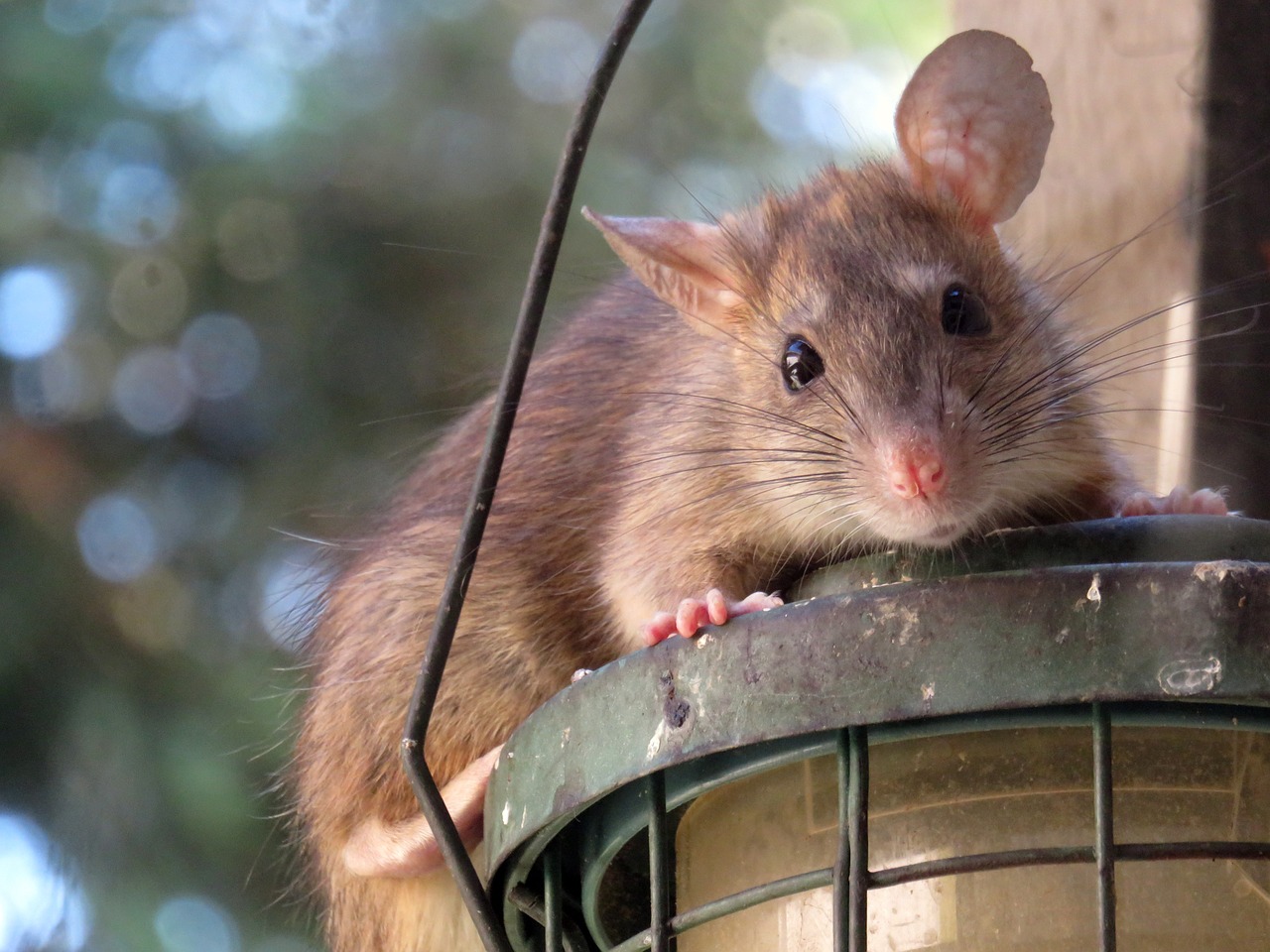
Rats are drawn to commercial premises because they offer warmth, shelter and a reliable food source. Stock rooms and warehouses are particularly attractive as they often contain large amounts of food, packaging and materials that rats can chew through easily.
Common factors that attract rats include:
- Stored food products and spillages
- Cardboard boxes and soft packaging
- Warm, undisturbed storage areas
- Gaps around doors, walls and service pipes
Once rats find a suitable environment, they can settle in quickly without being noticed.
The Risks of Rats in Stock Areas
The presence of rats in stock areas is a serious issue for any business. Rodent activity can result in unhygienic conditions that impact stored products. Even if damage is not immediately visible, stock will still need to be disposed of to remain compliant with hygiene standards.
For food related businesses, this can lead to serious consequences. Environmental health inspections, failed audits and potential enforcement action are all possible outcomes if rodents are found on site.
Other risks include:
- Large volumes of wasted stock
- Damage to packaging, fixtures and electrical wiring
- Increased risk of fire from gnawed cables
- Loss of customer confidence and reputational harm
Dealing with the problem early helps prevent these issues from escalating.
What to Do Immediately If You Discover Rats
If rats are discovered during a stock take, the first step is to isolate any affected stock. Products that may have been contaminated should be removed from the shelves straight away. This includes items that appear intact but were stored near signs of rat activity.
Rats can carry diseases and bacteria that pose a risk to human health and disturbing affected areas can spread contamination further around the premises, so leaving this to trained pest control professionals helps ensure the situation is dealt with safely and in line with hygiene and health and safety requirements.
You should take time to:
- Note where signs have been found
- Take photos to help pest control
- Restrict access to affected areas where possible
- Inform management or health and safety representatives
These actions help ensure the situation is handled properly and efficiently.
Why DIY Pest Control Is Not Suitable for Businesses
Many businesses are tempted to try a quick fix when rats are discovered. Traps and poison may seem like an easy solution, but they often cause more problems than they solve in commercial environments. Incorrect use of rodent control treatment can lead to rats dying in inaccessible areas, creating smells and hygiene issues. There is also the risk of secondary poisoning and breaches of health and safety regulations, especially in food handling premises. Professional pest control ensures that all treatments are safe, fully compliant and suitable for your type of business. We also provide the paperwork needed for inspections and audits.
The Importance of Professional Pest Control
Rats are pests that quickly adapt to their surroundings. Effective control involves more than just removing visible rodents. A professional pest control provider will investigate how the rats entered the building and what factors are encouraging them to remain.
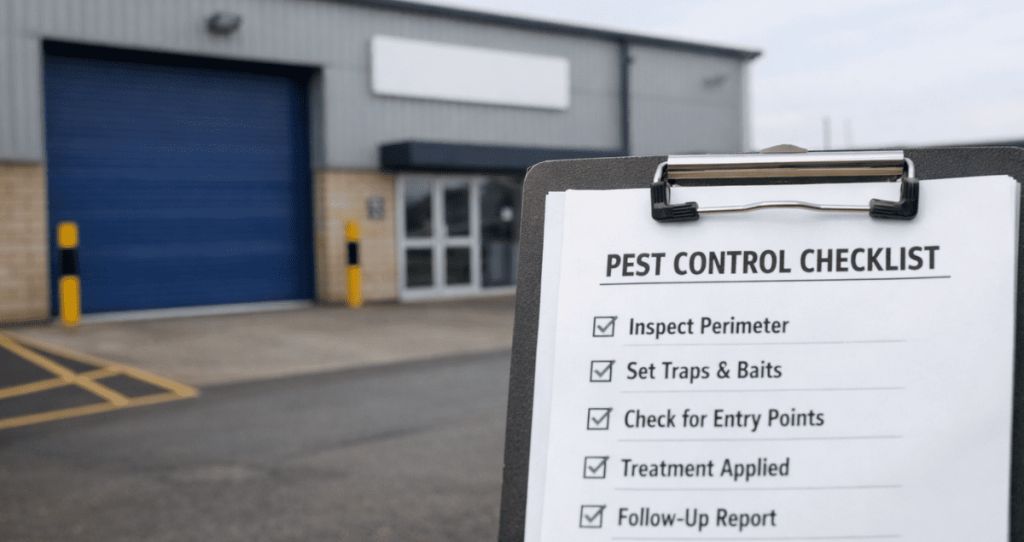
Professional treatment typically includes:
- A thorough inspection of the premises
- Identification of entry points and nesting areas
- Safe and controlled treatment methods
- Advice on proofing and long term prevention
If your business is dealing with rodents, our pest control services are designed to deal with infestations quickly and discreetly while minimising disruption.
Rodent Prevention Measures Following the Stock Take
Once rodents have been removed, preventing them from returning is essential. Many infestations reoccur because access points and attractants are not addressed.
Pest proofing your business by sealing gaps, improving waste storage and keeping stock areas tidy can make a big difference. Regular pest inspections also help identify problems early before they develop into a larger issue. Rodent activity often increases during colder months when rats look for warmth and shelter indoors.
When to Call a Pest Control Provider
If rats are discovered during a stock take, it should always be treated as a priority. Even small signs usually indicate a wider infestation that needs professional attention.
The sooner you contact a pest control provider like ourselves, the quicker the issue can be resolved and the less impact it will have on your business. At MJB Pest Control, we support businesses across a wide range of industries, providing reliable and effective pest control solutions tailored to each premises.
In summary, discovering rats during a stock take is a clear warning sign that should not be ignored. Rats can contaminate stock, damage property and place your business at risk of legal and reputational consequences. By isolating affected goods, avoiding DIY solutions and seeking professional pest control support, you can deal with the issue safely and reduce the chance of it happening again.
If you’ve spotted rats during a stock take or suspect rodent activity on your premises, now is the time to act. Contact us today for professional advice and effective control solutions that protects your stock, staff and reputation.
Contact us
If you’re looking for a professional and dependable pest control partner for your business, MJB Pest Control is here to help. Contact us today to discuss your specific needs and find out how we can help keep your premises pest-free.
Related articles
View all articles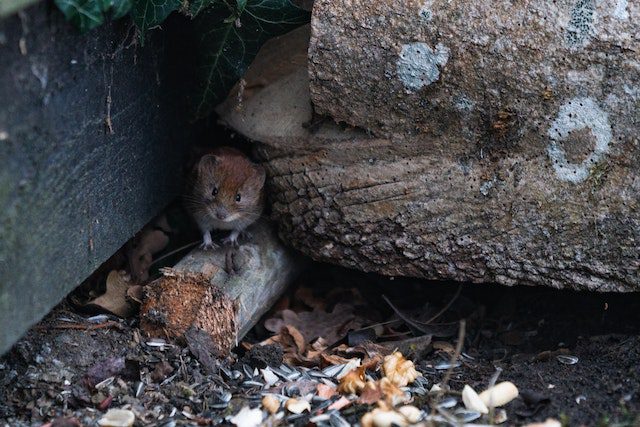
Why Pest Control Plays a Major Role in BRC Audits
BRC certification is designed to protect food safety at every stage of production and storage. Pests are one of the biggest threats to hygiene, as rodents, insects and birds can contaminate ingredients, packaging and finished products.
A strong pest management programme also demonstrates that a business takes legal responsibilities and customer safety seriously. Many companies only fully realise the wider impact pests can have once an issue affects operations, which is why commercial pest control is essential for businesses in regulated industries like food.
When pest prevention is managed properly, it supports compliance, protects reputation and reduces the risk of costly audit failures.
What Pest Control Documentation Auditors Expect to See
One of the first things auditors will check is whether pest control is properly documented. Records must be clear, consistent and up to date, showing that pest management is being actively maintained rather than treated as an occasional service.
Most BRC compliant sites should have evidence such as
- A current pest control contract with a professional provider
- Site specific risk assessments and monitoring schedules
- Pest activity reports and technician service notes
- Documentation of corrective actions taken
- A site map showing monitoring points and bait station locations
Having organised paperwork makes the audit process far smoother and helps demonstrate full control over pest risk.
Site Proofing and Building Integrity Checks
BRC pest control standards place strong emphasis on proofing, meaning preventing pests from entering the building in the first place. Even small structural gaps can become entry points, especially in sites with high deliveries and frequent access points.
Auditors often look closely at doors, loading bays, drainage systems and perimeter areas. Before an audit, it is important to check that external access points are sealed and that no damage has occurred over time. Proofing measures should be part of regular site maintenance, not something addressed only when pest activity is discovered.
Monitoring Systems and Trap Placement for BRC Compliance
Monitoring is central to BRC pest compliance. Auditors want to see that traps, bait stations and insect monitors are positioned logically based on site risk.
High risk zones usually include raw ingredient storage, waste handling areas, packaging zones and staff break spaces. The monitoring programme must also be reviewed regularly to ensure coverage remains effective as the site changes.
A strong monitoring plan may include
- External rodent bait stations along the perimeter
- Internal monitoring points near entry routes
- Electric fly traps positioned away from exposed food
- Routine inspection logs with technician comments
Many modern businesses now include digital monitoring systems to improve traceability and speed of response, particularly across larger facilities.
Hygiene Control and Housekeeping Standards in Food Premises
Pest control and hygiene go hand in hand within food environments. Poor housekeeping is one of the most common contributing factors to pest activity, especially where food debris, standing water or unsealed waste is present.
Auditors will often assess general cleanliness alongside pest records. Regular cleaning routines should ensure pests have no access to food sources. Good practice includes keeping stock raised off the floor, rotating ingredients correctly and ensuring waste is managed efficiently throughout the day.
Staff Training and Pest Awareness for Audit Preparation
BRC auditors may also ask questions about staff awareness. Pest control is not only the responsibility of the contractor. Day to day vigilance across the site plays a major role in early detection.
Staff should understand what to look for, how to report concerns and why pest prevention is part of food safety compliance. This is particularly relevant for businesses with customer facing areas or mixed retail supply chains, where daily habits make a difference.
Many food businesses benefit from reviewing practical pest prevention steps used in retail settings, as these procedures often apply equally well to storage and distribution environments.
Corrective Actions and Emergency Response Plans
Auditors will want to see that pest management includes clear corrective action procedures. If activity is detected, businesses must show that the issue is documented, addressed promptly and followed up appropriately. Corrective action records may include proofing repairs, increased monitoring frequency, targeted treatment or hygiene improvements. Having a clear response plan demonstrates control and accountability, which is essential for audit confidence. A well managed plan ensures pest issues are contained early rather than escalating into wider contamination risks.
Working With a Pest Control Partner Who Understands BRC Standards
Passing a BRC audit becomes significantly easier when pest control is managed by specialists familiar with food industry compliance. Auditors expect pest programmes to align with recognised standards, supported by professional reporting and consistent prevention.
At MJ Backhouse, we work with food manufacturers, warehouses and distribution centres to provide pest control programmes designed around BRC requirements. From site proofing support to detailed documentation and monitoring systems, our approach is built to keep businesses compliant all year round, not just during audit periods. Having the right partner in place helps ensure your pest control system is reliable, transparent and audit ready at all times.
In summary, BRC audit preparation requires more than basic pest control. Food businesses must demonstrate a preventative, well documented and professionally managed system that protects hygiene and food safety every day. By reviewing pest control records, strengthening site proofing, maintaining effective monitoring and ensuring staff awareness, businesses can approach audits with greater confidence and long term compliance.
Need Support Ahead of a BRC Audit?
If your site is preparing for a BRC inspection and you want to ensure your pest control measures meet the required standards, we can help. Contact our team today to arrange an audit ready pest control review and receive expert support tailored to your business.
Contact us
If you’re looking for a professional and dependable pest control partner for your business, MJB Pest Control is here to help. Contact us today to discuss your specific needs and find out how we can help keep your premises pest-free.
Related articles
View all articles
Breaking Down the Commercial Pest Inspection Process
Whether you operate a restaurant, warehouse, office, or retail space, pests can damage property, contaminate stock and harm your reputation. That’s why commercial pest control inspections are a vital part of proactive business management.
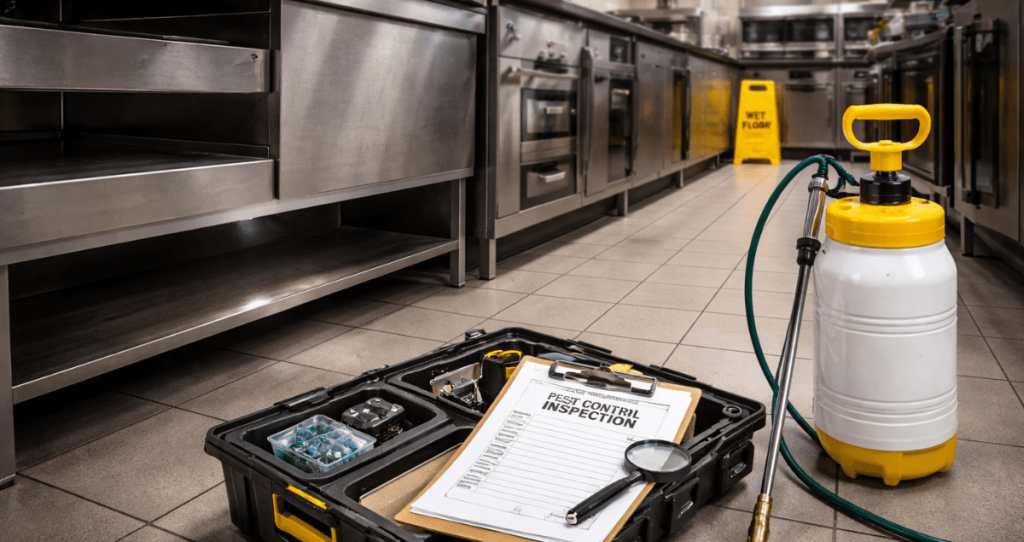
A thorough inspection is more than just spotting pests – it’s about identifying risks and preventing problems before they escalate. Here’s what typically happens during a professional inspection:
1. Initial consultation
At MJ Backhouse, we start by getting to know your business, operations and any past pest issues. We discuss cleaning routines, storage practices and areas of concern to ensure a tailored approach that works for you and your operations.
2. Site walkthrough
We inspect your entire property, including storage areas, kitchens, offices, waste disposal zones and external areas. Our team looks for signs of pests such as droppings, gnaw marks, nesting materials, or insect activity.
3. Identifying entry points
We check for gaps, cracks, or holes in walls, doors, windows and roofs that pests could use to enter your premises. Assessing your property’s hygiene and waste management practices is also key to identifying vulnerabilities in your pest control routine.
4. Risk assessment
Our team evaluates the types of pests most likely to cause problems based on your location, industry, season, and property structure. This helps us target preventative measures where they are needed most.
5. Recommendations & preventative care
After the inspection, we provide a detailed report outlining our findings, risk levels and tailored recommendations. Preventative care is the cornerstone of effective pest management. By addressing potential issues early, your business can avoid costly infestations and remain compliant with industry regulations.
6. Ongoing monitoring & packages
We offer comprehensive pest control packages designed to protect your business all year round. These include regular inspections, monitoring, and preventative treatments that ensure pests don’t become a problem in the first place.
Preventative care
Investing in preventative pest control saves your business time, money and stress! Instead of reacting to infestations, you can stay one step ahead with a structured, ongoing plan. Our packages are designed to suit businesses of all sizes and sectors, providing peace of mind and long-term protection.
Not having preventative pest control measures in place can disrupt your operations – get in touch today to schedule a commercial pest control inspection and discover our preventative care packages.
Contact us
If you’re looking for a professional and dependable pest control partner for your business, MJB Pest Control is here to help. Contact us today to discuss your specific needs and find out how we can help keep your premises pest-free.
Related articles
View all articles

Why Pest Proofing Matters in Retail Environments
Keeping pests out isn’t just about hygiene, it has a direct impact on products, customers, compliance and the overall business performance. Protecting storage areas and stock rooms from rodents, insects and birds can prevent food contamination, damaged packaging and the destruction of products. Due to the dangers of having a pest infested storage area, even the smallest signs of pest activity often means stock must be written off immediately. As well as stock loss, infestations can also lead to delayed deliveries, deep-clean requirements and in some extreme cases, store closures – all of which hit revenue hard. Adhering to strict pest prevention methods, as well as having a pest control contract in place, helps avoid such costly disruptions.
Protect Your Reputation and Stay Compliant
Customers expect retailers to provide safe, high-quality products in clean environments. Evidence of pests can seriously damage that trust and spread quickly online. Businesses must also maintain pest-free environments under Health & Safety and Food Safety regulations. Effective pest proofing not only protects stock and reputation but also ensures standards are met and inspections are passed.
How to Pest-Proof Retail Storage Areas
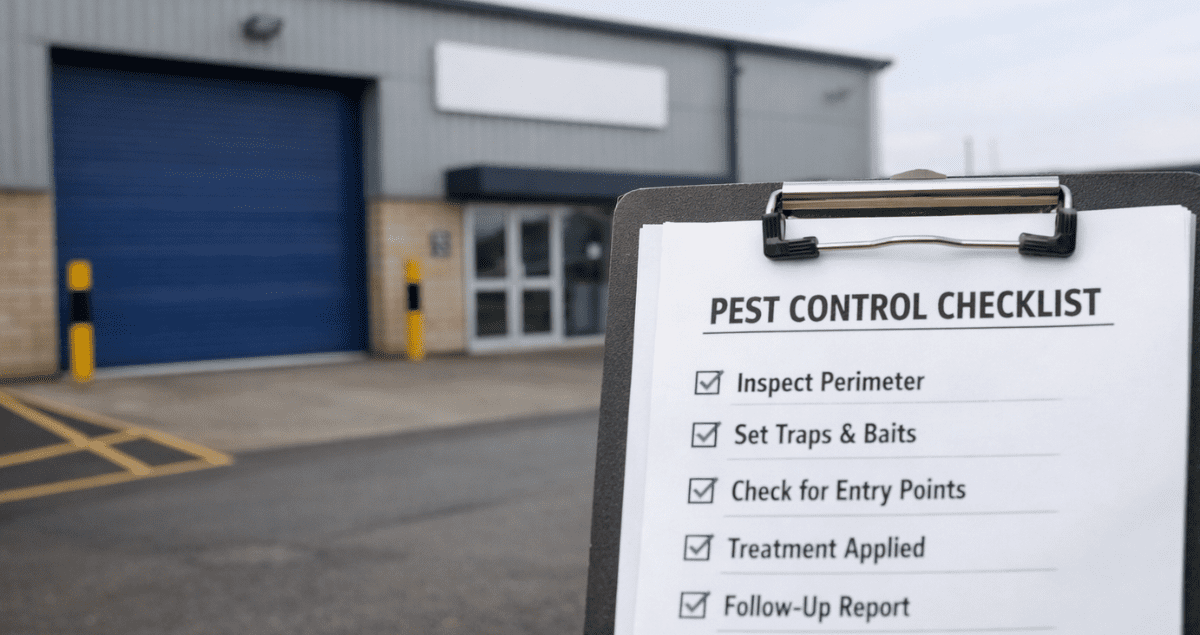
Pest control is all about reducing opportunities, blocking access, eliminating attractants, and staying proactive. Keep storage areas clean and organised by regularly sweeping floors, removing crumbs and packaging debris, reducing clutter, storing stock on pallets or shelving, and rotating products frequently to avoid long-term undisturbed areas. Seal entry points by inspecting doors, loading bays, vents, drains, and pipework, fitting door sweeps, and repairing cracks or damaged flooring. Store goods securely in sealed, pest-resistant containers, check incoming deliveries for signs of pests, and ensure packaging is kept off the ground. Manage waste effectively by using lidded bins, emptying them frequently, cleaning internal and external waste areas, and positioning outside bins away from entrances. Maintain the exterior by trimming vegetation, inspecting guttering, drainage and roofs for potential access points, and using external lighting that does not attract insects. Finally, implement professional monitoring through insect traps, rodent bait stations, electronic fly control units, and routine inspections, while keeping detailed records of checks and actions taken.
Pests That Threaten Retail Storage Areas Year-Round
Retail storage areas face a range of pests throughout the year. Rodents, including rats and mice, contaminate stock, chew packaging and spread harmful bacteria. Stored Product Insects (SPIs) such as flour beetles, biscuit beetles, moths and weevils are common in dry goods and packaged food. Flying insects like flies, fruit flies, and moths are particularly active in warmer months, while crawling insects such as cockroaches, ants, and silverfish thrive in warm, damp, or cluttered areas. Birds pose risks around loading bays where doors are frequently open.
Seasonal trends show increased flying insects and rodent breeding in spring and summer, rodents seeking indoor shelter in autumn and pest activity concentrating indoors during winter.
Pest proofing retail storage areas is an ongoing process, not a one-off task. By implementing preventative measures, maintaining regular monitoring and engaging professional support when needed, retailers can significantly reduce the risk of infestations, protect their stock, and maintain a safe, compliant environment all year round.
MJ Backhouse offers business pest control contracts to help you stay on top of pest control needs, get in touch with us on 0800 5426359.
Contact us
If you’re looking for a professional and dependable pest control partner for your business, MJB Pest Control is here to help. Contact us today to discuss your specific needs and find out how we can help keep your premises pest-free.
Related articles
View all articles
5 Signs You Have a Wasp Nest in Your Walls
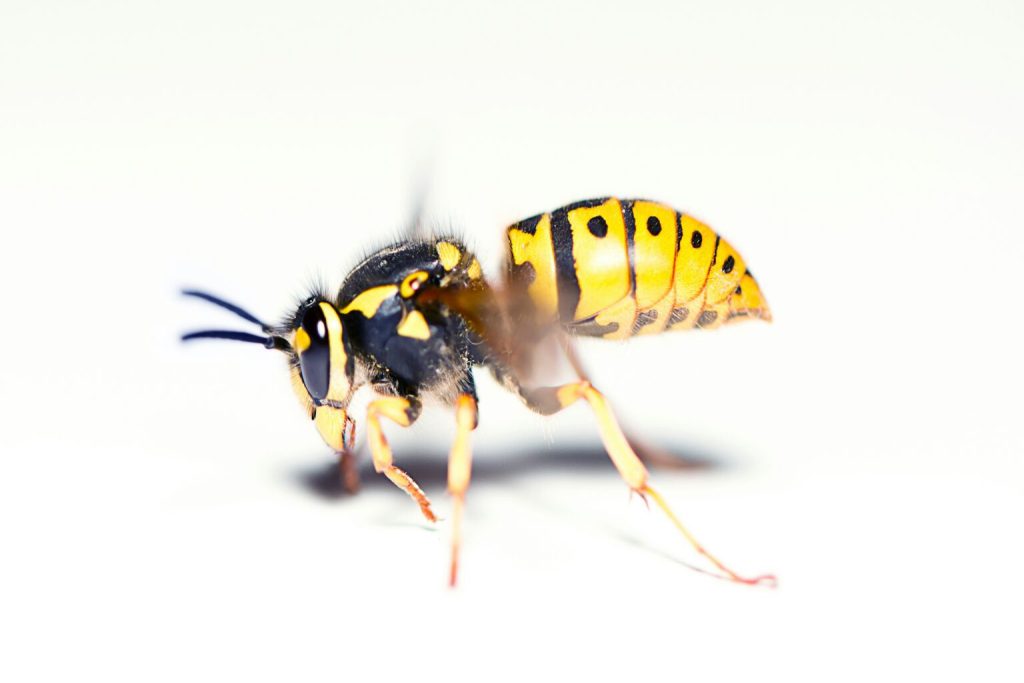
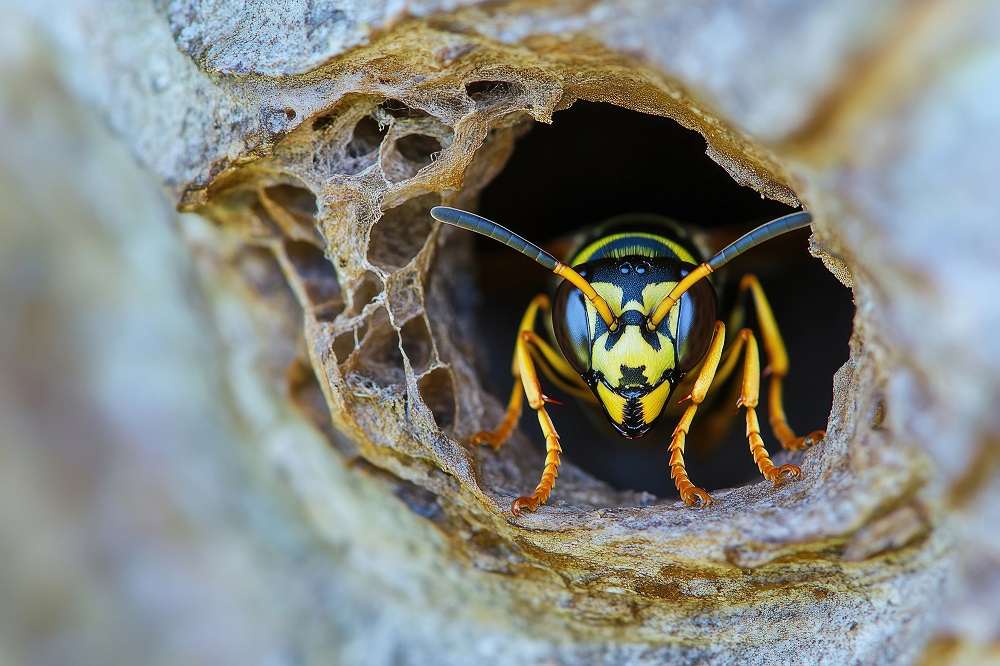
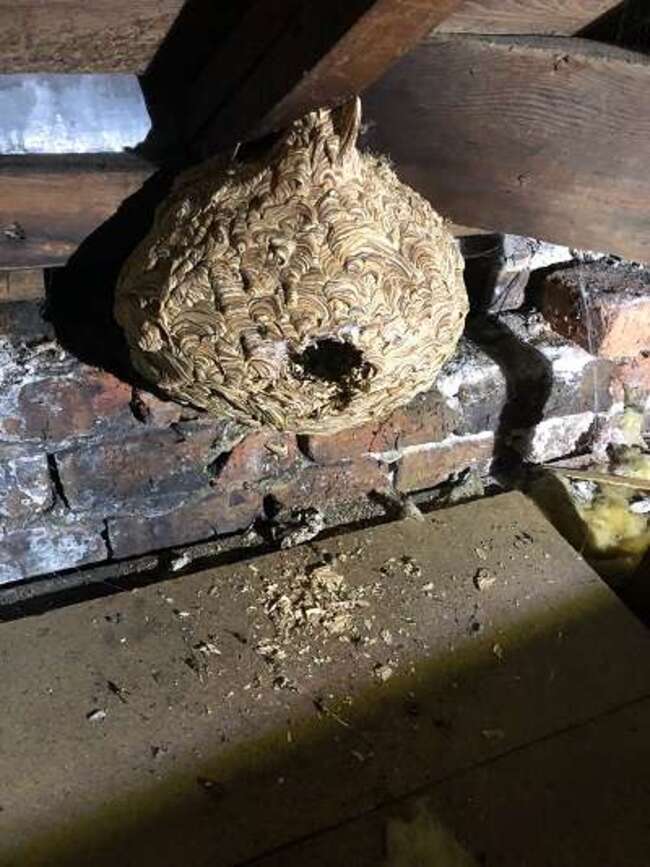
If you can detect a wasp nest early enough, you can prevent the disruption to your business but things get more challenging if wasps have managed to find their way inside the walls. Here are some other common signs of a wasp nest in domestic or commercial buildings:
Increased Wasp Activity
Noticing a lot of wasps flying around your building is a sign they could be nesting nearby, especially around windows, vents or other cracks around the structure.
Buzzing Sounds
Hearing buzzing from walls or ceilings can indicate wasps inside. Louder, more persistent buzzing often corresponds to larger colonies.
Agressive Behaviour
Wasps might appear more aggressive when their nest is close. If wasps in your facility seem to be behaving defensively, their nest may be hidden within the building.
Why Wasps in Walls Are a Problem
A wasp infestation within a commercial building can lead to more than just inconvenience. The potential consequences include:
• Safety Risks: Having wasps buzzing around employees, customers and visitors can lead to safety concerns, especially if someone is allergic to wasp stings.
• Disruption to Operations: Staff productivity may decrease if they’re constantly dealing with wasps. In some cases, parts of the building may even become impossible to access.
• Reputation Damage: Visible wasp activity can negatively impact customer perceptions, particularly in industries like hospitality, retail, or food service.
• Structural Damage: Wasps can chew through walls, insulation and other materials, leading to costly repairs if left unaddressed.
How Do Wasps Survive the Winter?
The survival of wasp queens through the winter is crucial for the continuation of the species. By finding a sheltered spot to enter diapause, these queens can avoid the lethal effects of freezing temperatures. Their bodies produce a form of antifreeze, glycerol, which prevents ice crystals from forming and damaging their cells.
As the temperatures rise in spring, the queens awaken from their diapause. They then set about the task of building new nests, laying eggs, and starting the cycle anew. The survival of the species depends entirely on these queens, as the previous year’s workers and nests are not reused.
While wasps do not hibernate in the traditional sense, they have developed a fascinating method of surviving the winter months. By entering a state of diapause, fertilised queens can outlast the cold, ensuring the continuation of their species into spring.
When to Call a Professional Pest Control Service
If your business is experiencing signs of a wasp infestation, it’s important to act promptly. Contact a professional pest control service if:
• The nest is large or located in an inaccessible area.
• Wasp activity is disrupting operations.
• Employees or customers are at risk.
Delaying action can lead to greater risks, including escalated safety concerns and costly structural damage.
Contact us
MJ Backhouse specialises in commercial pest control, providing solutions to keep both homes and businesses safe and free of pests. If you suspect you might have a wasp infestation, get in touch with us.
Related articles
View all articles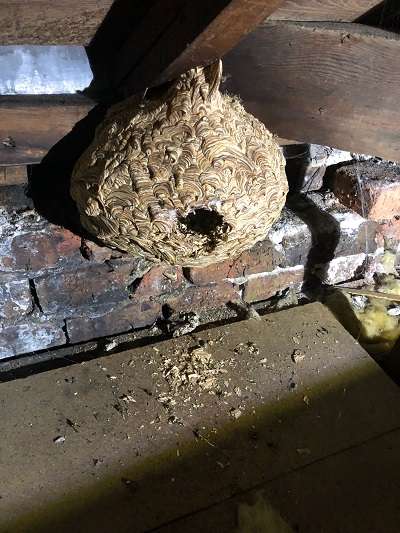
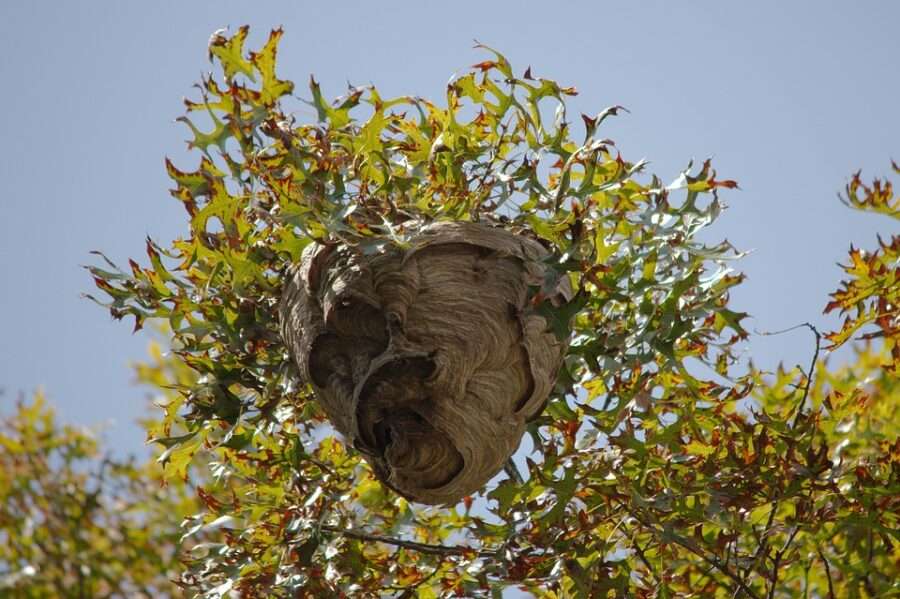


Cockroaches in the office can be more than just a nuisance; they’re a serious health hazard and can affect the overall atmosphere at work. If you’ve noticed these pests or just want to make sure you don’t have them, here’s a practical guide to tackling the problem.
Understanding the Cockroach Problem
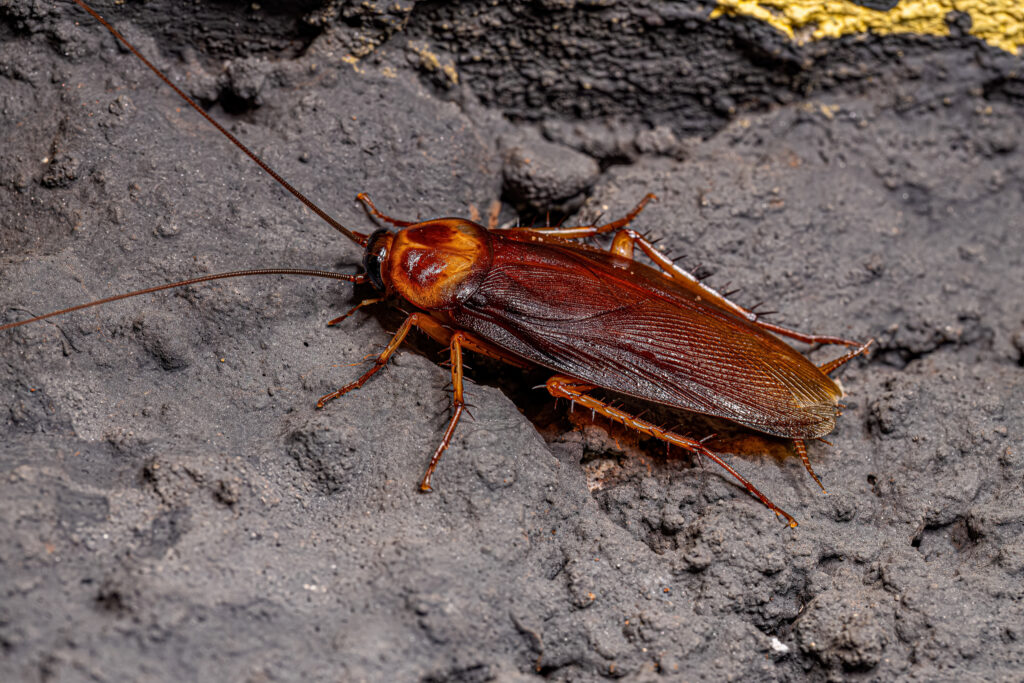
Cockroaches aren’t just a nuisance; they can carry diseases and trigger allergies, particularly in sensitive individuals. Their presence can also make your office feel unclean, which affects both staff morale and productivity. For a deeper dive into how subtle cockroach infestations can be, check out our article on Can You Have Cockroaches and Not Know It?
First Steps and DIY Methods
Clean Thoroughly
The best way to get rid of roaches in your office is to keep the area as clean as possible.
- Tidy up food areas and remove crumbs and spills. Don’t forget to clean behind appliances.
- Use sealed bins and empty them every day.
- Clean up spills and crumbs straight away.
Clean Sinks
Cockroaches love the dampness of sinks. Make sure to clean your sinks regularly and keep the disposal area free of food particles. Avoid leaving dirty dishes in the sink overnight as they can attract pests.
Insecticides
With bigger infestations, you might need cockroach-specific insecticides. Follow the instructions on the label and apply them in cracks and crevices where cockroaches might be hiding.
Use Traps and Baits
Set up baits and sticky traps , especially where you think cockroaches might be hiding.
Natural Remedies
For smaller issues, you can use natural options like boric acid or diatomaceous earth.
Boric Acid: Sprinkle it in areas where cockroaches are active.
Diatomaceous Earth: This powder can be lightly sprinkled in cockroach hotspots. It works by drying them out, but be cautious of the dust.
Effective Treatment and Long-Term Strategies
When you have a cockroach problem, it’s important to call a professional pest control service. They can do a thorough inspection, figure out how big the problem is, and use stronger more comprehensive treatments than what you can buy yourself. They also provide ongoing support and advice to help prevent cockroaches from returning.
How IPM Tackles Cockroach Problems
One valuable approach that professionals use is Integrated Pest Management (IPM). This method combines different strategies to handle and prevent cockroach problems. Here’s what IPM involves:
- Monitoring: Regular checks to catch any signs of pests early.
- Sanitation: Keeping things clean and eliminating food sources that attract cockroaches.
- Targeted Treatments: Applying effective treatments where they’re needed most.
IPM is great because it tackles the root causes of cockroach problems and focuses on long-term solutions, not just quick fixes. It helps manage and prevent infestations in a more sustainable way.
So, dealing with cockroaches in the office, means taking a few key steps e.g. cleaning thoroughly, and using traps and baits. While these steps can help manage the problem, it’s often best to call in a professional pest control service for a complete solution.
Get in touch
Need help with a cockroach problem? Contact MJB Pest Control today. We’re here to help keep your office clean and pest-free!