Understanding wasp behaviour
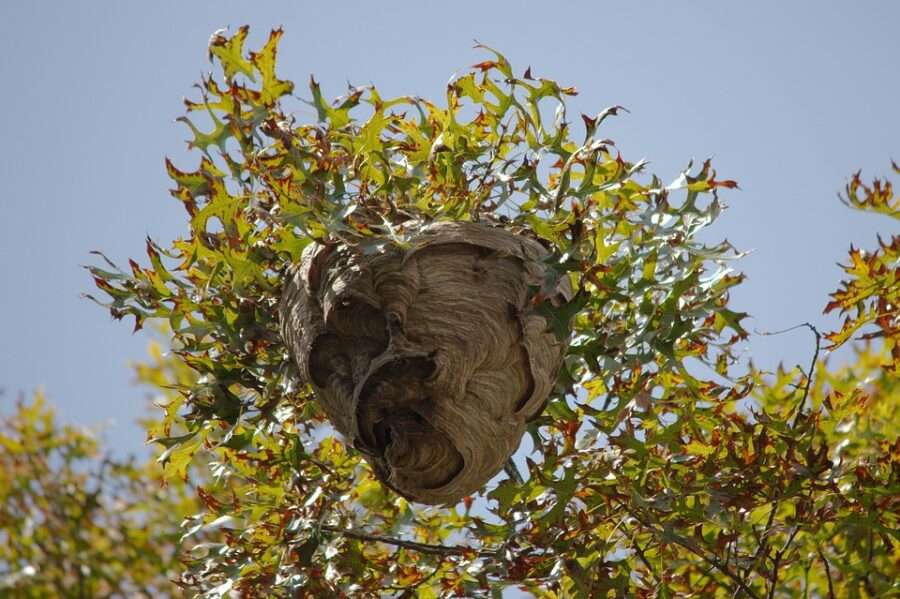
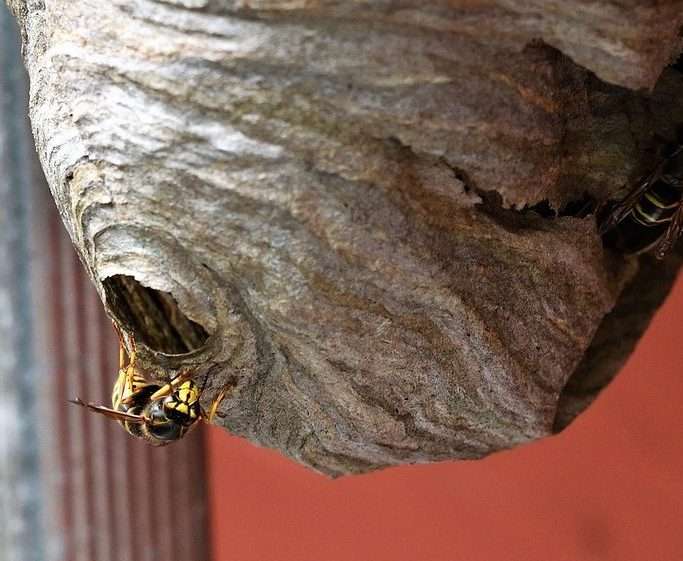
To assess the safety of removing a wasp nest in winter, it’s crucial to understand wasp behaviour during the colder months. Most wasps do not survive the winter; instead, the colony dies off, however, the fertilised queens find shelter in crevices or other protected spaces to essentially hibernate through the winter and emerge in spring to establish new colonies.
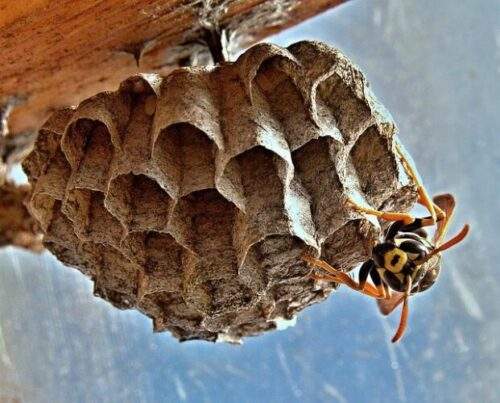
Given this lifecycle, the wasp nests you encounter in winter are likely to be abandoned, with no live wasps to defend them. However, this is not a guarantee, and caution should always be exercised.
Assessing the safety of wasp nest removal in Winter
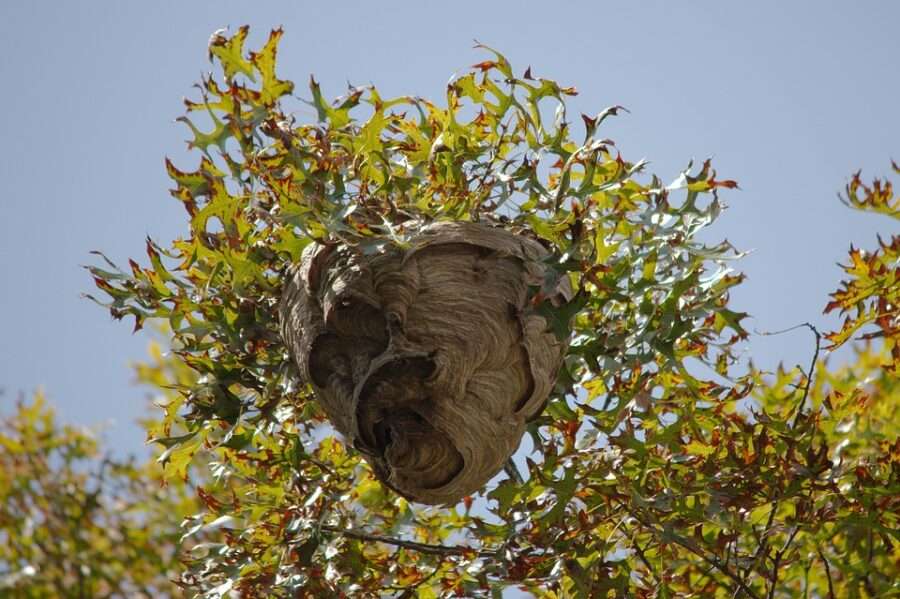
Firstly, consider the nest’s location. The ease and safety of removal heavily depend on the nest’s location. Nests located high up or within structures might pose more significant challenges and risks.
Check for activity
Before any removal attempt, closely observe the nest from a safe distance at different times of the day to ensure there is no wasp activity. Remember, some wasp species might still be active in mild winter climates although this is unlikely in the UK.
Wear protective clothing
Even if you believe the nest is inactive, it’s important to wear protective clothing as a precaution. This includes gloves, long sleeves, trousers, and eye protection to protect yourself from any nasty stings.
Daytime vs nighttime
Typically, it’s advised to remove wasp nests at night when wasps are less active. However, in winter, daytime removal may also be an option due to the cold temperature reducing wasp activity combined with natural daylight for better visibility.
Is it safe to remove a wasp nest in winter?
Typically yes, it’s safer to remove a wasp nest in winter. However, as mentioned above, caution and due care should always be taken.
For larger nests, nests in difficult locations, or if there’s any doubt about the nest’s activity, seeking professional pest control services is the safest option. Professionals such as the team here at MJ Backhouse have the experience, equipment, and protective equipment to handle the situation effectively.
Contact us
If you’re looking for a professional and dependable pest control partner for your business, MJB Pest Control is here to help. Contact us today to discuss your specific needs and find out how we can help keep your premises pest-free.
Do Wasps Hibernate?
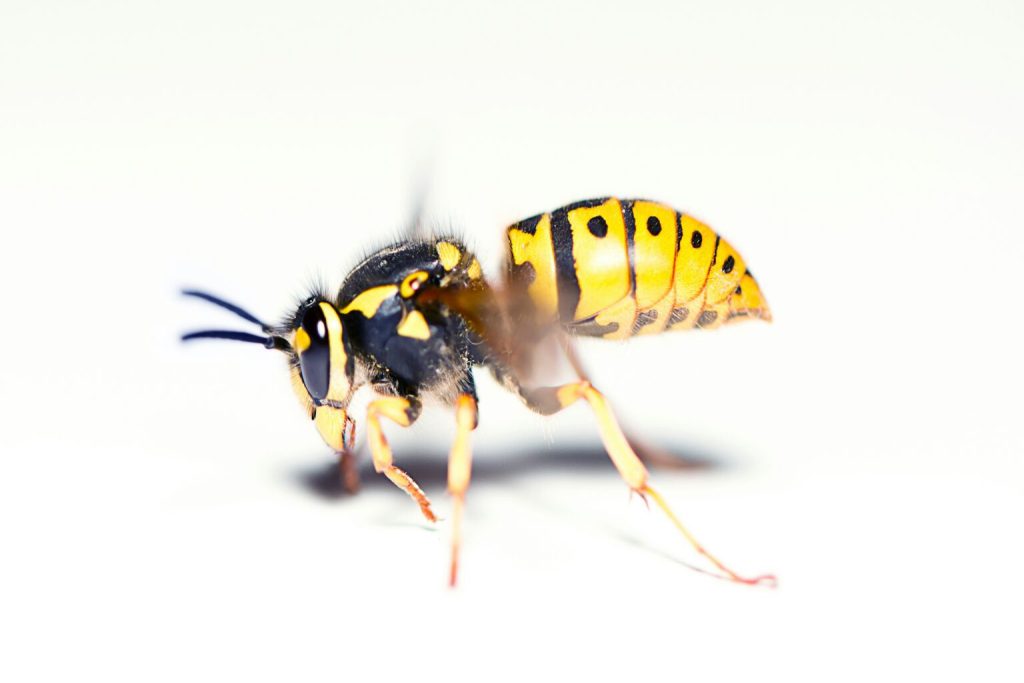
Put simply, wasps do not hibernate as such, although the process is very similar. The official term for this is ‘diapause’ which is a period of physiologically enforced dormancy between periods of activity.
During diapause, the fertilised queen wasps will find shelter in crevices, under bark, or inside human-made structures to protect themselves from the cold. Their metabolic rate slows significantly, allowing them to survive on stored fat reserves until spring.
It’s important to note that the rest of the colony—the workers, males, and the old queen—do not survive the winter. They typically die off as temperatures drop and food sources become scarce. This cycle ensures that the only wasps to see the spring are the fertilised queens, ready to emerge and start new colonies.
Where Do Queen Wasps Go in the Winter?
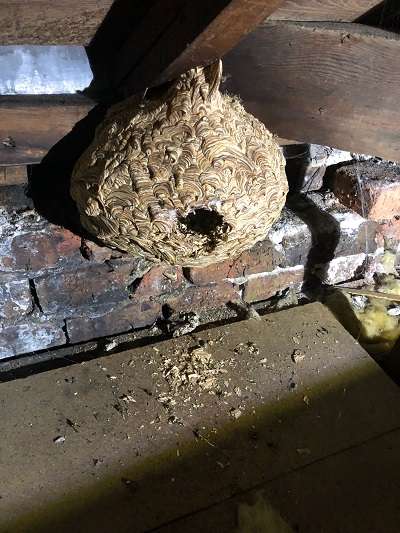
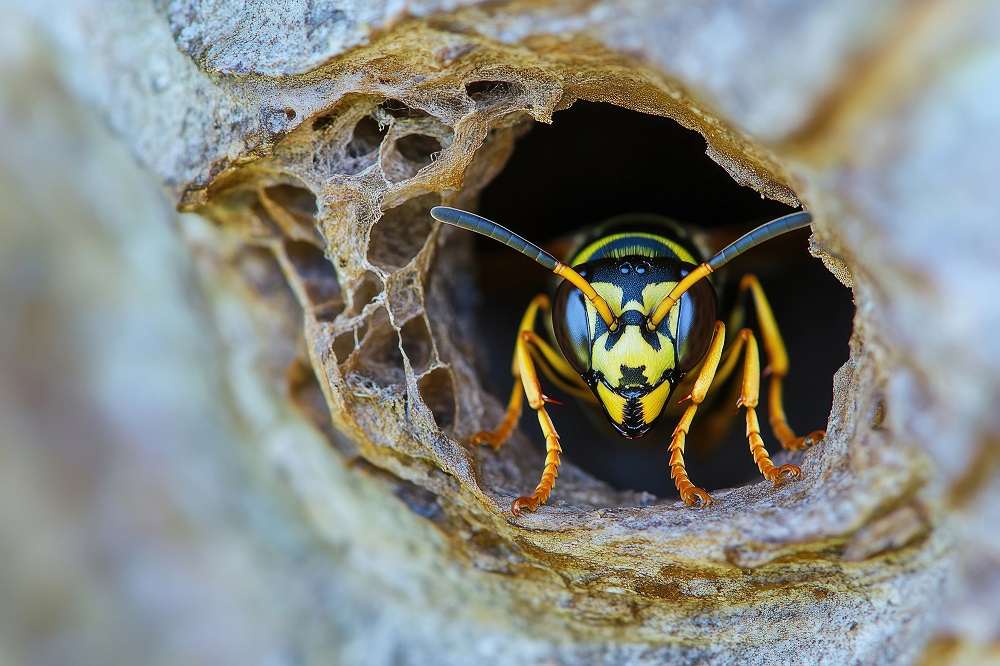
Queen wasps typically seek shelter during the winter in places that offer protection from the cold and predators. Since wasps establish their nests in secluded spots, they often choose areas of your home or garden that are infrequently visited meaning you may not initially detect their presence such as:
- Lofts and attic spaces
- Roof eaves
- Sheds, garages and outbuildings
- Cavity walls
- Outdoor spaces in the ground, trees and shrubbery
How Do Wasps Survive the Winter?
The survival of wasp queens through the winter is crucial for the continuation of the species. By finding a sheltered spot to enter diapause, these queens can avoid the lethal effects of freezing temperatures. Their bodies produce a form of antifreeze, glycerol, which prevents ice crystals from forming and damaging their cells.
As the temperatures rise in spring, the queens awaken from their diapause. They then set about the task of building new nests, laying eggs, and starting the cycle anew. The survival of the species depends entirely on these queens, as the previous year’s workers and nests are not reused.
While wasps do not hibernate in the traditional sense, they have developed a fascinating method of surviving the winter months. By entering a state of diapause, fertilised queens can outlast the cold, ensuring the continuation of their species into spring.
Contact us
At MJ Backhouse, we have many years of experience dealing with wasp control in Yorkshire. If you’re noticing signs of a wasp nest on your property that you’d like to remove, contact the team today.
Related articles
View all articles
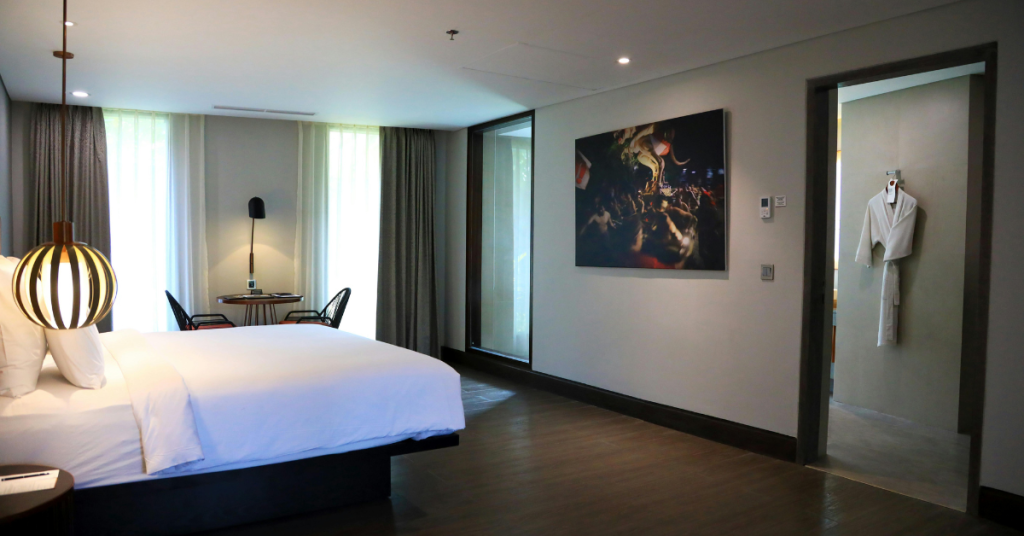
What to do if you find bed bugs in your hotel room
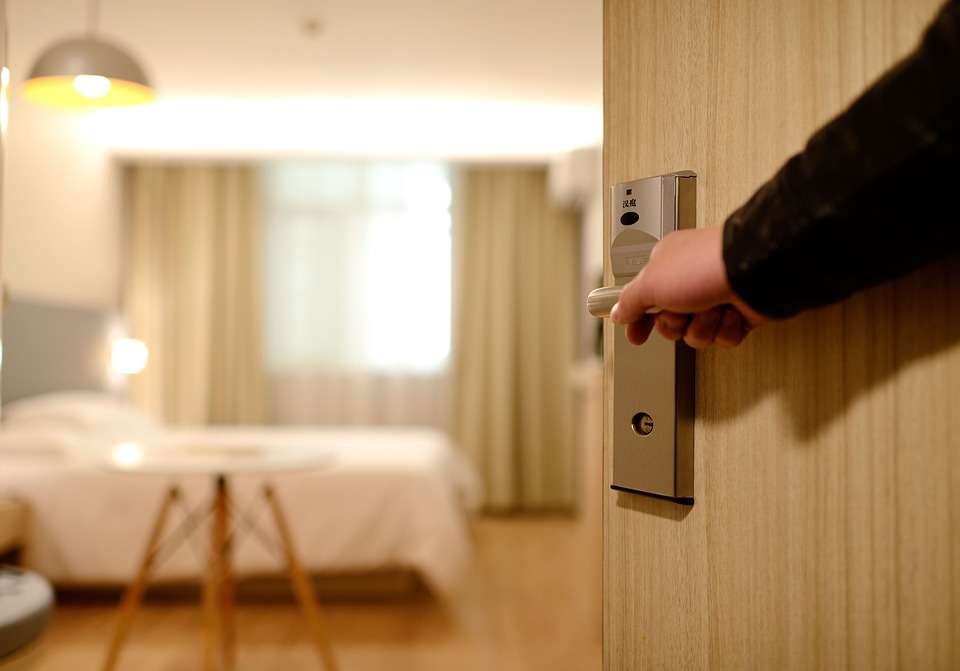
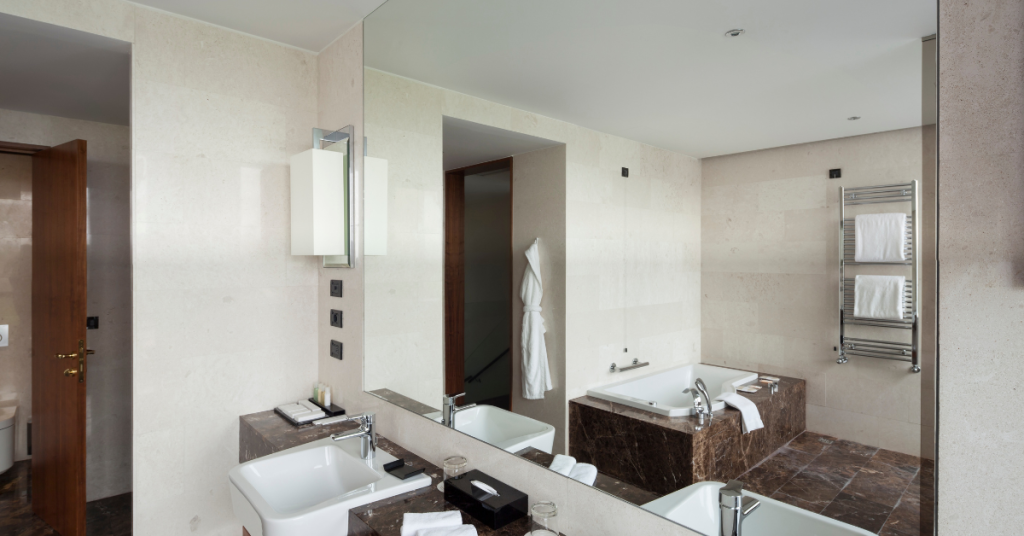
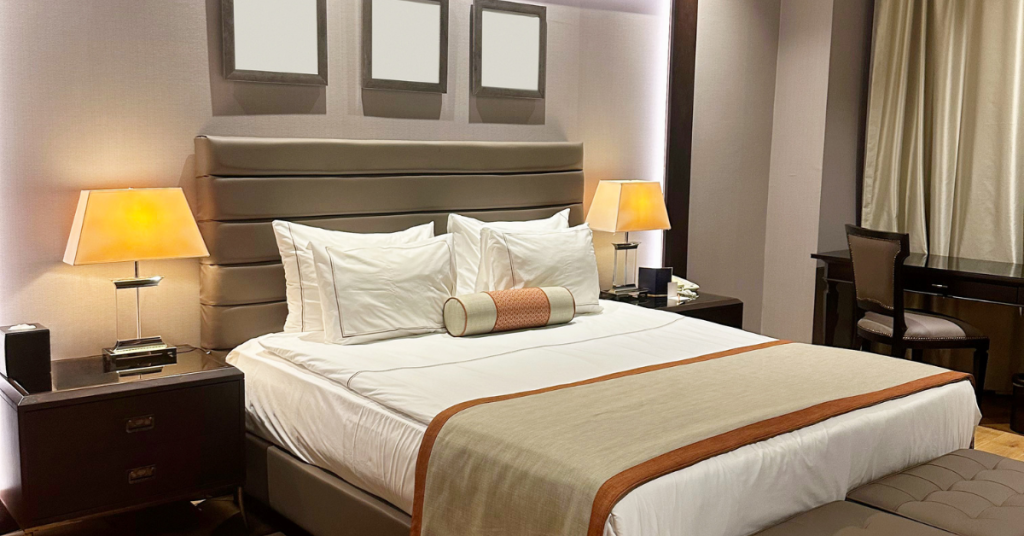
The best thing to do if you discover a problem is to alert the reception staff immediately and request to be moved to a different room. It’s up to the hotel to deal with a bed bug infestation but you have a right to make this request. Ideally, ask for a room that is on another floor or far away from your current one to lower the risk of finding bed bugs there too, as the bugs can travel between walls to surrounding rooms. If you have to move rooms for this or any other reason during your stay, it’s wise to start the inspection process again for the new room.
Signs of bed bugs
- Visible Bugs: While bedbugs are small, they are still visible to the naked eye. Adult bedbugs are about the size of an apple seed, and nymphs (young bedbugs) are smaller and lighter in colour.
- Reddish-Brown Stains: After feeding, bedbugs may leave behind small reddish-brown stains on sheets, mattresses, or other bedding. These stains are a result of their faeces or crushed bugs.
- Tiny Eggs and Eggshells: Bedbug eggs are tiny, white, and difficult to see without magnification. They are often found in cracks and crevices near the bed.
- Musty Odour: In severe infestations, bedbugs can produce a musty odour. If you notice an unusual smell in your hotel room, it could be a sign of a bedbug infestation.
- Bite Marks on Skin: Bedbug bites can cause itchy red welts on the skin, often arranged in a line or cluster. However, not everyone reacts to bedbug bites, so the absence of bites does not necessarily mean an absence of bedbugs.
How to prevent hitchhiking bed bugs
1
When you’re sure your room is pest-free, you can unpack and store your suitcase on the luggage rack, keeping it away from the bed. Avoid storing clothes on the bed or other upholstered surfaces during your stay and keep your belongings in sealed plastic bags if you want to be extra cautious.
2
When it’s time to pack up your suitcase again, double-check your bags and clothing for signs of bed bugs and try to keep dirty clothes separate in a plastic bag if possible.
3
Don’t assume that bed bugs will only be a problem in cheaper accommodation. Fancy hotels are just as likely to experience an issue as the blood-sucking pests will seek out anywhere that provides a food source and a safe place to hide. Hotels are the ideal spot for bed bugs as there are multiple hiding places and multiple food sources in the form of unsuspecting guests.
Contact us
If you’re looking for a professional and dependable pest control partner for your business, MJB Pest Control is here to help. Contact us today to discuss your specific needs and find out how we can help keep your premises pest-free.
Related articles
View all articles
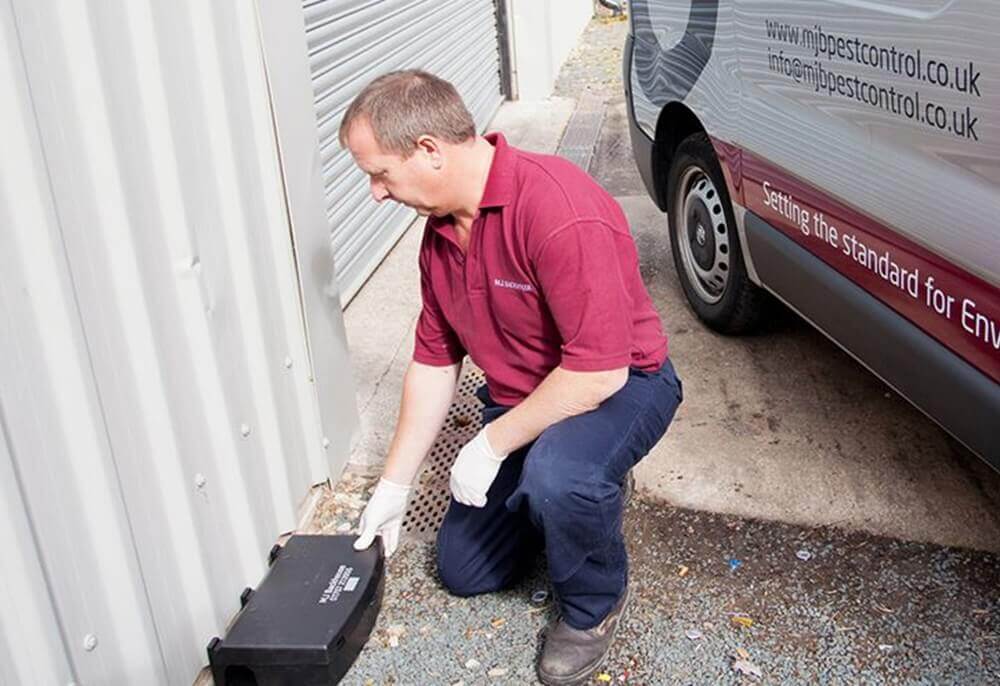
Price vs value of pest control
We recommend that people get quotes from two or three pest control companies and look at value more than price. What appears to be a bargain at first may warrant a second look as some companies charge a nominal call out fee and then inflate the price when they arrive on site. Most reputable companies have fixed set prices for the most common household problems such as wasps, bees and hornets, ants and rats and mice.
Pest control health and safety
It is important to ensure that the company you choose holds full public and employer’s liability insurance and to look for evidence or ask for details of the pest control company’s competence.
Is the company a member of the National Pest Technicians Association (NPTA) or accredited to other organisations such as the Contractors Health and Safety Assessment Scheme (CHAS), SafeContractor or Constructionline.
These independent bodies vet pest companies individually on all aspects of their pest control health and safety practices. These industry bodies keep their members informed of new developments in pest control methods, safety, training, research, and regulations. Members agree to follow certain codes of practice and work ethics.
The use of pest control pesticides
The company of your choice should discuss all your safety concerns when using pesticides. These concerns may include some or all the following – allergies, sensitivities, age of occupants (infants or elderly), resident pets, and treatment near wildlife and fish.
You can ask to see the Material Safety Data Sheet or Householder information sheet which will show all precautionary warnings about the products to be used and should display the full company name and 24-hour contact number in case any emergency information is required.
The company should be informative and able to answer any questions you may have about the pest treatment you are receiving. They should initially inspect your premises and outline a recommended pest control program prior to commencing any work. The program should detail the following information:
- Pests to be controlled
- Extent of the pest problem
- Active ingredients in any pesticide to be used
- Potential adverse health effects and typical symptoms of poisoning associated with the active ingredients
- Form of the pesticide and application techniques
- Non-chemical alternatives if available
- Special instructions to reduce your exposure to the pesticide (such as vacating the house, emptying the cupboards, and removing pets)
- Steps to take to minimise your pest problems in the future if possible
If you hire a pest control firm to do the job, ask the company to use the least toxic chemical method available that will do the job properly.
If you believe something has gone wrong with the pesticide application, contact the company at once as any reputable company would gladly call back and investigate your problem further.
Pest control warranty
Hiring a company to take care of your pest problem does not necessarily mean your pest problem will be 100% eradicated. Nor does it mean the problem won’t reoccur. You should always look at whether the company provides a pest control warranty period and you should be wary about a company that does not provide one. In addition, be sure to find out if the warranty is conditional. For example, in the case of timber treatments, the pest control warranty may become invalid if you make structural alterations to your home without giving prior notice to the pest control company.
Ask for a pest control recommendation
Ask neighbours and friends for a pest control recommendation or ask if they have ever dealt with the pest control companies you are considering. Were they satisfied with the service they received? Personal experience and word of mouth often prove to be the best source of reputable companies.
Yorkshire pest control
Here at MJ Backhouse, we provide domestic pest control and commercial pest control services in Yorkshire and have over 35 years of experience.
Our services include rat pest control, wasp pest control and flea pest control. Visit our testimonials page to see what our recent clients have to say about us. If you are looking for a pest control service, then please contact us today or call our 24/7 emergency number 0800 542 6359.
Contact us
If you’re looking for a professional and dependable pest control partner for your business, MJB Pest Control is here to help. Contact us today to discuss your specific needs and find out how we can help keep your premises pest-free.
Related articles
View all articles
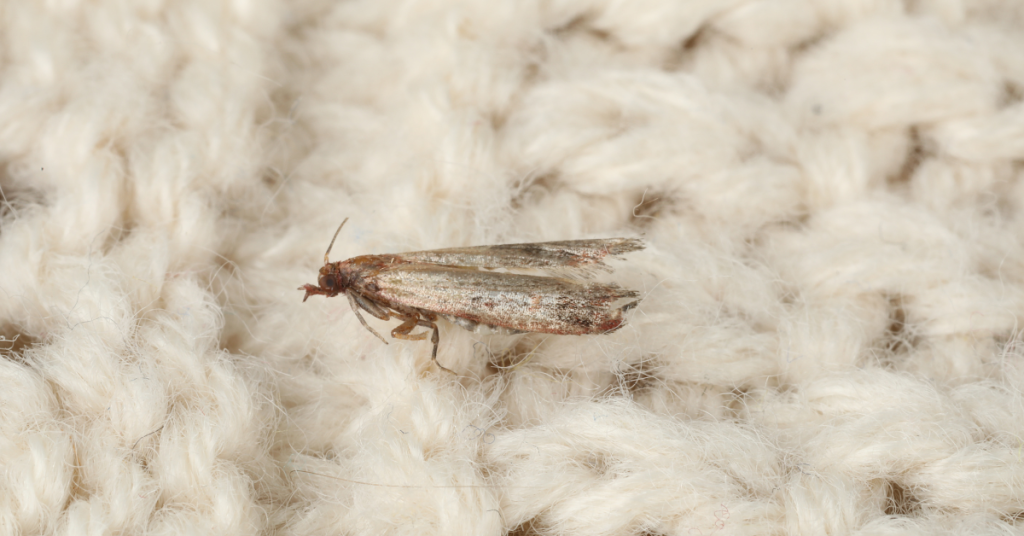
What Different Types of Moths Are There?
With over 2,400 species of moths in the UK, it’s important to address infestations promptly. In Yorkshire, some of the most common types to watch out for include:
- The Brown House moth – Often found indoors and primarily feeds on animal textiles such as fur and leather.
- The Common Clothes moth – Known for causing irregular-shaped holes in various types of clothing and textiles.
- The Case-Bearing Clothes moth – Less common but causing more regularly shaped holes in textiles, often originating from imported animal textiles.
How to Get Rid of Moths
When dealing with a moth infestation, there are a few steps you should consider. The first is to identify the most affected areas by assessing where holes are occurring in textiles or where signs of larvae cases are found.
Then, vacuum up dead moths, larvae cases, silk cocoons, and other traces. Clean washable surfaces to remove any eggs. Following this, launder washable textiles to ensure that no moths, eggs, or larvae remain. Regularly change vacuum cleaner bags and filters to prevent vacuumed eggs from hatching.
What Causes Moths to Spread?
It won’t be surprising to know that light attracts moths to buildings, be it your home or business. Leaving windows and doors open at night can bring them in.
They can also be transported into the home through infested items, such as dirty clothes that have larvae in them. Additionally, stored grains can spread these flying bugs, as they are ideal locations for the pests to lay their eggs.
Contact us
If you’re looking for a professional and dependable pest control partner for your business, MJB Pest Control is here to help. Contact us today to discuss your specific needs and find out how we can help keep your premises pest-free.
Related articles
View all articles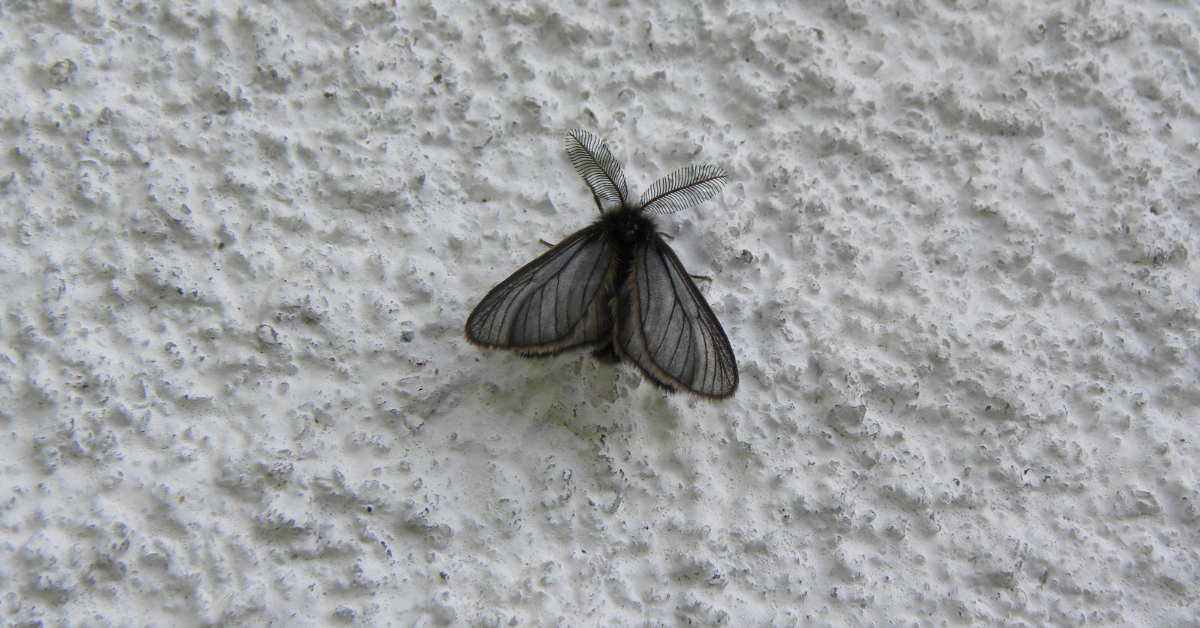
Feral birds
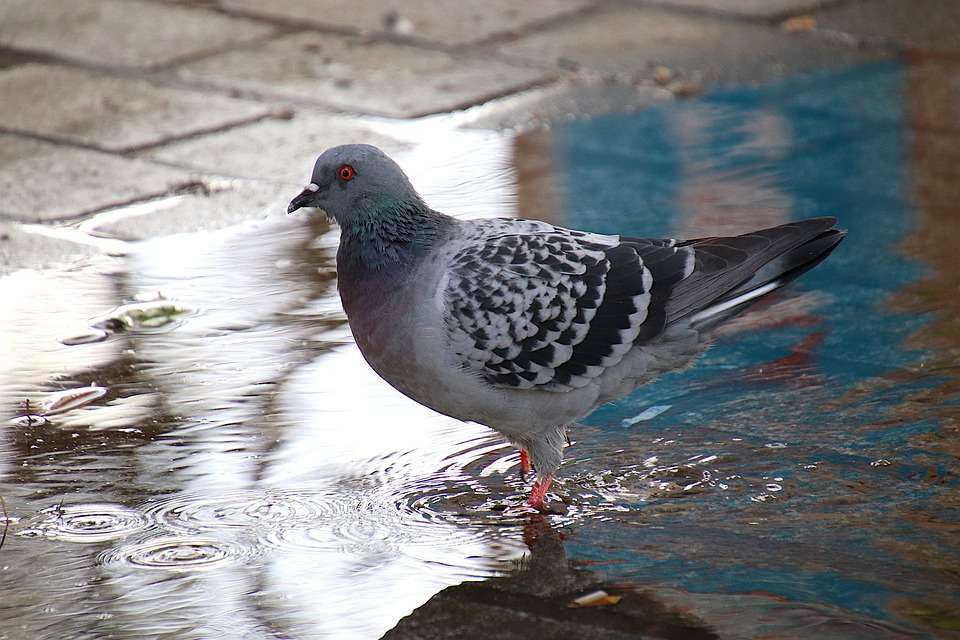
‘Flying rats’ or ‘rats with wings,’ are familiar references to feral pigeons as they flock to busy city centres and make their homes by nesting under solar panels or slipped tiles on roofs. They are certainly considered a nuisance bird. But are pigeons vermin?
It’s not uncommon to spot a feral pigeon scavenging for food around town centres, parks, bins and even outside restaurants, which is why similarities to rats are drawn. Pigeons typically choose to nest close to a food source, but if this happens to be around your home or business premises, you may be more aware of the problems birds can cause.
What is vermin?
According to Dictionary.com, vermin is a collective term that primarily refers to noxious, objectionable, or disgusting animals. This definition is subjective, meaning no birds or animals are legally classed as vermin. That said, feral pigeons are listed on Defra and Natural England’s General Licence to control wild birds.
This means that pest controllers and those who are licensed to do so may remove pigeons to prevent damage or preserve public safety. As vermin is not a scientific classification, there is no official list. The creatures commonly considered vermin include:
- Rats
- Cockroaches
- Mice
- Bed bugs
- Termites
As vermin is a subjective definition, many add pigeons into the above list as well.
What damage can pest pigeons cause?
Whether you consider pigeons vermin or not, having a flock of birds moving in to your roof space isn’t ideal. Pigeons are considered a pest species because of the damage they cause to buildings and the risk to public health and safety.
Some of the damage pigeons can cause includes:
- Pigeon guano build up is corrosive and can cause damage metals and other building materials
- Feathers and nesting materials can block gutters and drains
- Spread of disease from bacteria found in pigeon guano
- Health and safety risk from slips and falls
- Damage to roof tiles and solar panel installations
- Bird mites and other insects
- Noise from rearing their young
Pigeons may seem harmless to you can your property at first, but left unchecked the problems they cause can quickly compound.
Where do pigeons build nests?
Pigeons tend to choose sheltered areas that keep them safe from predators when building their nests. This is why you don’t see them nesting in trees and bushes like some other species of bird.
Some common places pigeons nests in include:
- Under solar panels
- Along building ledges
- Underneath bridges
- Inside barns, garages and outbuildings
- In lofts and roof spaces
How can I prevent pigeons?
A food source is easy for a pigeon to find- particularly if you have business premises or live near a city centre, meaning pigeons can find suitable nesting locations quite easily.
Here are a few measures you can take to prevent a pigeon problem:
- Use a suitable bird proofing solution such as humane landing spikes or bird netting installation
- Make sure possible nesting areas are bird proofed including ledges and solar panel proofing
- Keep gardens and outdoor areas tidy and remove debris such as twigs and leaves to prevent pigeons from using them as nesting materials
- Remove food sources and make sure you store rubbish in bins with secure lids
By the definition of the word ‘vermin,’ it’s down to you to decide if pigeons fall into that category or not. But if a flock of them start making themselves at home on your property, you will almost certainly have a pest control issue on your hands.
How can you get rid of pigeons from your garden?
Pigeons in the garden can be a real nuisance for homeowners. They scare away other birds, leave feathers everywhere, and often damage feeders.
If you have noticed more pigeons in your garden, it is crucial you get rid of them quickly before they set up their nests.
Here are a few tactics for getting rid of pigeons:
- Spray them with water as pigeons don’t appreciate this, and it is a harmless way to get them to move on
- Eliminate their food source such as removing berries, grass seeds, and any dog or cat food left outside so as to not attract pigeons
- Using reflective surfaces like foils and old CDs can interfere with pigeon’s eyesight scaring them away
- Anti-nesting kits such as spike strips, sloped sheathing, and weatherproof string will leave the pigeons with few options
Contact us
If you’re looking for a professional and dependable pest control partner for your business, MJB Pest Control is here to help. Contact us today to discuss your specific needs and find out how we can help keep your premises pest-free.