How Do Bed Bugs Spread Between Properties?
Bed bugs (Cimex lectularius) are not attracted to dirt or poor hygiene. They are attracted to warmth, carbon dioxide and the presence of a human host. A spotlessly clean hotel and a well-maintained care home can both develop a bed bug problem, because cleanliness is not what brings them in. They hitchhike. They move from place to place by attaching themselves to luggage, clothing, furniture and personal belongings and they are remarkably good at it.
Unlike many pests, bed bugs cannot fly or jump. They travel entirely by clinging to objects that move around them. Understanding the specific routes by which bed bugs arrive is key to reducing the risk, particularly in commercial settings where people and goods are moving in and out on a daily basis.
Travel and Hotel Stays
Travel is the most common cause of bed bugs arriving in new locations. Hotels, hostels, guest houses and short-term rental properties are high-risk environments because of the constant movement of guests from different locations. Bed bugs hide in mattress seams, headboards, bed frames, upholstered furniture, skirting boards and even electrical sockets. A guest who stays in an infested room may leave with bed bugs in their luggage without having any idea.
For hospitality businesses, this creates a particular challenge. A guest can bring bed bugs in just as easily as they can take them out, meaning hotels and serviced accommodation are both a common source of infestations. Our guide to checking for bed bugs in hotels covers what to look for during room inspections and how to reduce the risk of an infestation taking hold.
Second-Hand Furniture and Equipment
Purchasing or accepting second-hand furniture is one of the most direct ways bed bugs enter commercial premises. Mattresses, sofas, office chairs, wardrobes and any upholstered or wooden furniture can harbour bed bugs and their eggs without showing any visible signs. A piece of furniture that looks clean and undamaged can still be infested and the eggs in particular are very difficult to spot without a close professional inspection.
This risk applies to any business taking in donated or purchased furniture, including care homes, student accommodation providers, offices and hotels undergoing refurbishment. Inspecting any second-hand item thoroughly before it enters the building is essential and any item from an unknown source should be treated with caution.
Neighbouring Units and Shared Spaces
In multi-occupancy buildings, bed bugs can spread between units through wall cavities, pipework, electrical conduits and any gap or void that connects adjoining spaces. This makes apartment buildings, hotels, care homes, office blocks and any shared commercial property vulnerable to infestations that originate in a neighbouring unit.
Once bed bugs are established in one part of a building, containment becomes increasingly difficult. They move at night, are rarely seen during the day and can survive for months without feeding. A problem that starts in a single room can spread to adjacent rooms and floors before it is detected, which is why early identification and professional treatment are both critical.
Guests, Staff and Visitors
Any person moving between locations can inadvertently carry bed bugs with them. Staff members who travel for work, guests arriving from other accommodation, visitors to care homes and delivery personnel can all be unwitting carriers. This is not a reflection of personal hygiene but simply the nature of how bed bugs move.
For businesses with high footfall or frequent overnight guests, this is an ongoing consideration rather than a one-off risk. Building awareness among housekeeping and facilities teams about what bed bugs look like and where to check is one of the most effective early-warning tools available.
Why Commercial Premises Are Particularly at Risk
Bed bug infestations in commercial settings carry consequences that go well beyond the cost of treatment. A report of bed bugs in a hotel, care home, or office can spread quickly via online reviews and the reputational damage can be significantly harder to recover from than the infestation itself. Commercial premises also tend to have exactly the conditions bed bugs need: people present consistently, lots of soft furnishings and a regular flow of new arrivals.
Hotels and Hospitality Venues
Hospitality venues are among the highest-risk commercial settings for bed bug activity. The constant turnover of guests, combined with large numbers of rooms containing beds and soft furnishings, creates the ideal environment for bed bugs to establish themselves. A single infested room that goes undetected can lead to multiple rooms being affected within weeks and a negative review mentioning bed bugs can have an immediate impact on bookings. Routine inspections and a fast response to any signs of activity are essential for any hospitality business.
Care Homes and Healthcare Settings
Bed bugs in a care home or healthcare setting create a particularly serious situation. Residents often have limited mobility, which makes them more vulnerable to bites and less able to report the problem. Visitors and staff moving between different facilities can introduce bed bugs and the communal nature of care environments means an infestation can spread rapidly between rooms. Regulatory inspections in these settings will flag pest activity and the reputational consequences for a care provider are severe.
Student Accommodation and Education
Student accommodation is one of the most common sources of bed bug infestations in the UK. Students travel frequently, often bring second-hand furniture and live in high-density shared accommodation where bed bugs can spread easily between rooms. University halls, private student housing and purpose-built student accommodation all face this risk at the start of each academic year when new arrivals move in and again at the end of term when furniture and belongings are moved out.
Offices and Retail Premises
While bed bugs are less commonly associated with offices and retail than with overnight accommodation, they are not immune. Staff members can bring bed bugs in via their belongings, second-hand furniture brought into meeting rooms or breakout areas can introduce them and in buildings with mixed commercial and residential use, the risk from neighbouring spaces applies. Any business in a shared building should be aware of the potential for bed bugs to travel between units.
What Do Bed Bugs Look Like?
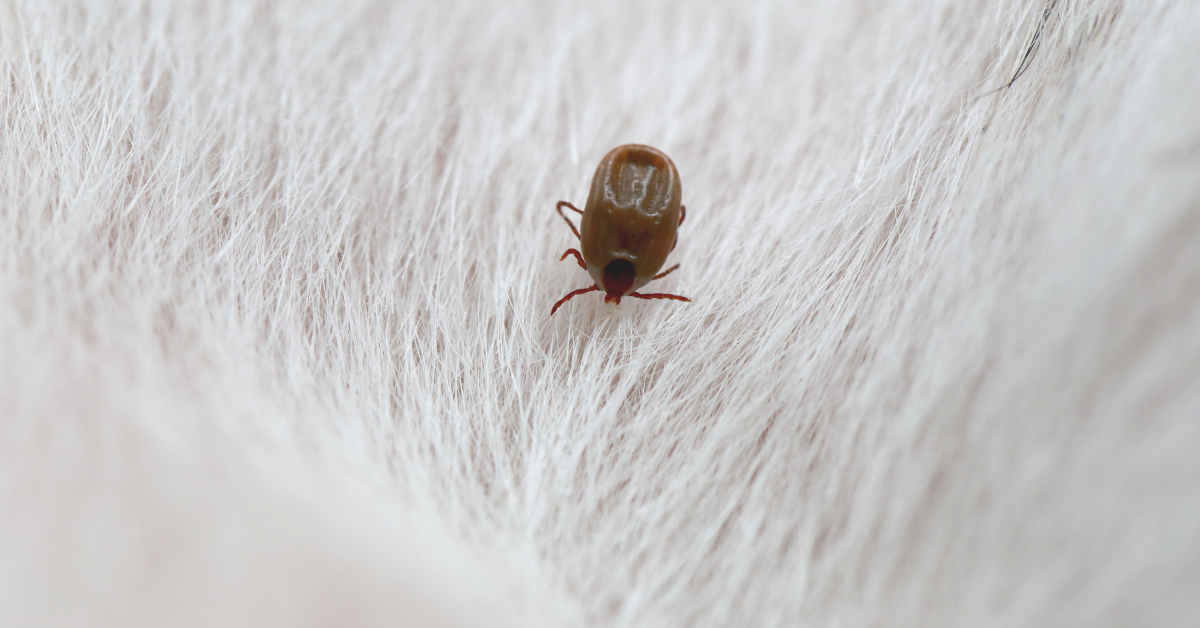
Adult bed bugs are small, flat, oval-shaped insects around 4 to 5mm in length. They are brown in colour, turning reddish-brown after feeding. They have no wings and do not jump, so any movement is by crawling. Young bed bugs, known as nymphs, are smaller and paler, making them harder to spot against light-coloured surfaces.
Bed bug eggs are tiny, around 1mm in length, white and typically found in clusters in cracks and crevices near where the bugs are feeding.
Signs of a Bed Bug Infestation in Commercial Premises
Knowing what to look for is as important as knowing where bed bugs come from. In a commercial property, the most common signs include:
- Small dark spots or smears on bedding, mattress seams, or upholstered furniture, which are bed bug excrement
- Pale shed skins left behind as nymphs grow, typically found in crevices and along seams
- A sweet, musty odour in an affected room, which is produced by larger infestations
- Tiny white eggs or eggshells in cracks in bed frames, skirting boards and furniture joints
- Bite marks on guests or staff, typically appearing in clusters or lines on exposed skin, though these can be mistaken for other causes
Checking mattress seams, headboards, bed frames, skirting boards and the inside of bedside furniture should be part of routine housekeeping in any hotel, care home, or similar premises. A thorough inspection by a professional is the most reliable way to confirm or rule out an infestation, particularly in the early stages when visible signs may be limited.
What to Do If You Find Bed Bugs on Your Premises
If bed bugs are found or suspected on commercial premises, the most important thing is to act quickly and avoid actions that can make the situation worse. Do not move bedding or furniture from the affected area to other parts of the building, as this is one of the most common ways bed bug infestations spread to previously unaffected rooms. Do not attempt a DIY treatment. Over-the-counter sprays are rarely effective against an established infestation and can cause bed bugs to scatter, spreading the problem further.
MJB Pest Control provides commercial pest control across Yorkshire, with bed bug treatment available for hotels, care homes, student accommodation, offices and all other commercial settings. Treatment typically involves a combination of heat treatment or insecticide application, with follow-up monitoring to confirm the infestation has been fully cleared.
Bed bugs arrive in commercial premises through travel, second-hand furniture, neighbouring properties and the movement of guests, staff and visitors. They aren’t a sign of poor hygiene and they are not selective about where they settle. Any commercial premises with beds, soft furnishings, or a regular flow of people is at risk and the consequences of an infestation often go well beyond the cost of treatment. The earlier a problem is identified and treated, the more contained and manageable it remains.
If you‘ve found signs of bed bugs on your premises, or want to put a monitoring and prevention programme in place, call MJB Pest Control on 0800 542 6359 or contact the team to arrange a survey.
Contact us
If you’re looking for a professional and dependable pest control partner for your business, MJB Pest Control is here to help. Contact us today to discuss your specific needs and find out how we can help keep your premises pest-free.