Why Are Commercial Properties More at Risk from Bed Bug Infestations?
Bed bugs spread through movement. They hitchhike on luggage, clothing, furniture and personal belongings, which means any environment with a high volume of people coming and going is at elevated risk. Hotels are the most obvious example, but the same logic applies to care homes, student accommodation, hostels, rental properties and any building where rooms are shared or turned over regularly.
The challenge for commercial operators is that once a bed bug infestation takes hold in a multi-room building, it rarely stays contained. Bed bugs can travel through wall cavities, under doors and along shared pipework, which means an infestation in one room can spread to neighbouring ones before anyone has noticed the original problem. Understanding where bed bugs come from and how they move through a building is an important part of knowing how to respond when they’re found.
How Do You Know If Your Commercial Property Has a Bed Bug Problem?
The earliest signs of a bed bug infestation are often easy to overlook, particularly in commercial settings where rooms are cleaned and turned over quickly. Knowing what to look for and making sure the right people are checking, is what allows a problem to be caught early rather than after it’s already spread.
The most common indicators include:
- Bite marks on guests or residents, typically appearing on exposed skin such as arms, legs and neck after sleeping
- Dark staining on mattresses, bedding, or nearby surfaces, which appears as small dark spots
- Reddish-brown staining on sheets or pillowcases that appears without an obvious cause
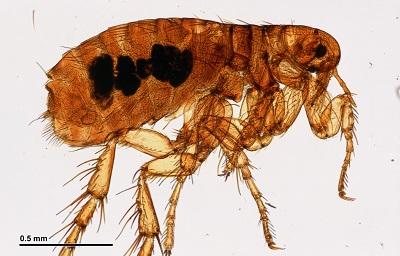
- Shed skins left behind as bed bugs progress through their life cycle
- A faint sweet almond smell in heavily infested rooms, which is a distinctive sign of a significant infestation
- Visible bugs in seams of mattresses, behind headboards, in skirting board gaps, or around electrical sockets
Staff in hospitality settings should know how to carry out a basic room inspection, particularly when guests report unexplained bites or when rooms have had complaints.
How Does Bed Bug Heat Treatment Work?
Bed bug heat treatment works by raising the temperature of an affected area to between 49°C and 60°C, which is lethal to bed bugs at every stage of their life cycle, including eggs. Specialist heating equipment is used to bring the entire space up to and maintain that temperature for long enough to ensure full penetration into furniture, flooring, wall voids and other areas where bugs and eggs are likely to be hiding.
The critical advantage of heat is that it reaches places chemical treatments can’t. A bed bug hidden deep inside a mattress, tucked into a wall cavity, or sheltering inside a piece of furniture will be reached by heat in a way it simply wouldn’t be by a surface-applied insecticide. Effectiveness for bed bug heat treatment is consistently cited at between 95% and 100%, compared to around 70% for a standard chemical treatment for bed bugs. Most heat treatments are completed in a single day, with no chemical residue left behind and minimal waiting period before the room can be used again.
What Heat Treatment Means for Commercial Disruption
For a commercial operator, minimising downtime is as important as resolving the infestation. A single-visit treatment that leaves no residue and requires no follow-up is considerably less disruptive than a multi-visit chemical programme spread over several weeks. That practical advantage, combined with the higher effectiveness rate, is why bed bug heat treatment has become the preferred method for hospitality and healthcare settings where room availability and hygiene standards are both critical.
Why Heat Treatment Works So Well for Commercial Bed Bug Control
Heat kills bed bugs at every life stage in a single treatment. That’s the core reason it’s become the preferred method for commercial settings where repeat visits or residual infestations aren’t an acceptable outcome. Chemical treatments can leave eggs unaffected, which means a population can re-establish itself after treatment even when adult bugs have been killed. Heat eliminates that risk by dealing with every stage simultaneously.
There’s also no resistance risk with heat. As discussed later in this blog, bed bugs are developing resistance to certain chemical compounds, which reduces the reliability of chemical treatment over time. Heat is not subject to that variable, which makes bed bug heat treatment a consistently effective option regardless of the history of chemical use in the property.
For businesses with compliance obligations, the absence of chemical residue matters too. In healthcare environments, care homes and food service settings, the use of pesticides is closely regulated and the ability to return a space to normal use quickly without a residue period is a significant operational benefit. Commercial pest control for high-compliance settings increasingly defaults to heat for exactly this reason.
How Does Chemical Treatment for Bed Bugs Work?
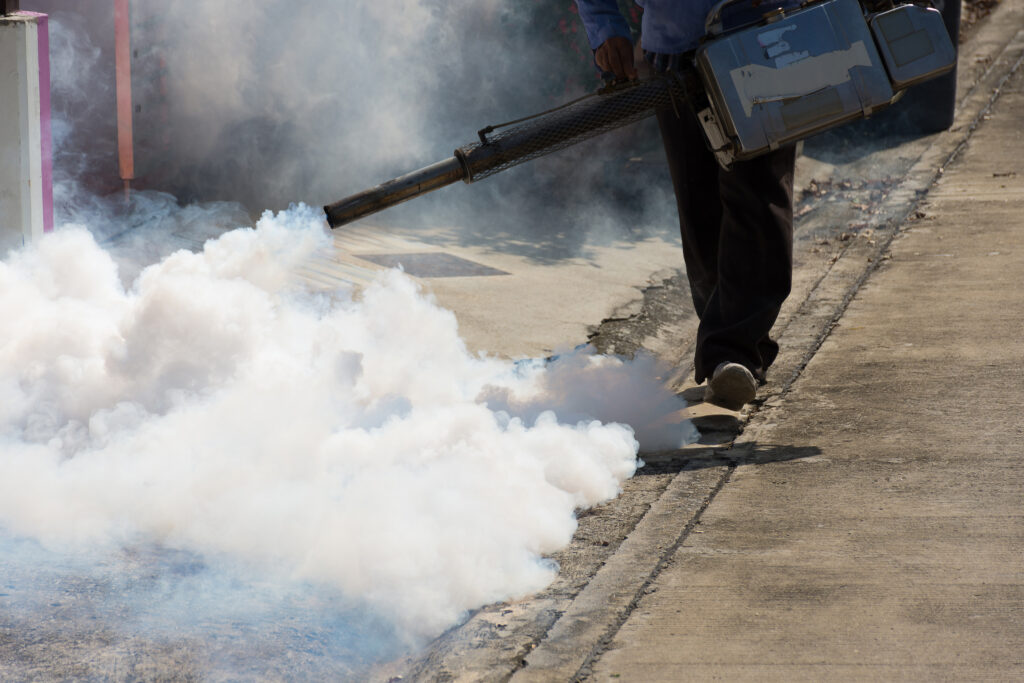
Chemical treatment for bed bugs involves the application of insecticides to areas where bed bugs are known or likely to be present. The most commonly used compounds are pyrethrins and pyrethroids, applied as sprays, foams, or dusts to harborage areas including mattress seams, skirting boards, furniture joints and wall cavities. The treatment works by killing bugs that come into physical contact with treated surfaces.
One of the advantages of chemical treatment is its residual effect. Unlike heat, which kills on contact during the treatment session, chemical treatments continue to work after application, providing an ongoing barrier that can reduce the risk of re-infestation in the weeks following treatment. For a moderate, early-stage infestation, a well-applied chemical treatment carried out by a qualified technician can be effective, particularly where the infestation hasn’t yet spread beyond a clearly defined area.
Chemical treatment is also generally lower in cost than heat treatment, which makes it a consideration for smaller infestations or budget-constrained situations where the full heat treatment investment isn’t immediately justified.
When Does Chemical Treatment Make More Sense Than Heat?
There are situations where chemical treatment for bed bugs is the more appropriate choice and a good commercial bed bug control programme recognises both options rather than defaulting to one in every situation.
Early-Stage and Contained Infestations
When an infestation is caught early and is confined to a clearly defined area, chemical treatment applied by a professional technician can resolve the problem effectively without the cost or equipment requirements of heat. The key condition is that the infestation is genuinely contained. Once bed bugs have spread to multiple rooms or penetrated deeply into the fabric of a building, the limitations of chemical treatment become more significant.
As a Supporting Measure Alongside Heat
Chemical treatments can also play a supporting role within a heat treatment programme. In certain situations, particularly where inaccessible voids can't be directly reached by heat equipment, targeted chemical application can be used as a secondary measure to address areas the heat can't fully penetrate. In that context, the two methods complement each other rather than compete.
The Growing Problem of Bed Bug Resistance to Chemical Treatments
Resistance to pyrethrins and pyrethroids among bed bug populations is documented and growing. Bed bugs can develop a thickened cuticle, effectively a tougher outer skin, that limits the penetration of chemical compounds. Some populations have also developed metabolic resistance, breaking down the active compounds before they can cause harm. The result is that chemical treatments which would have been reliably effective a decade ago are producing increasingly inconsistent results in certain infestations.
This resistance is an established and well-documented problem that has led pest control professionals and regulators to reassess the long-term viability of pyrethroid-based treatments as a standalone solution. For commercial operators dealing with a recurring bed bug infestation, or one that hasn’t responded to a previous chemical treatment, resistance is a likely factor and bed bug heat treatment becomes the more reliable option.
Why Professional Bed Bug Treatment Is Essential for Commercial Operators
DIY bed bug products are widely available, but they rarely resolve a commercial bed bug control problem. Over-the-counter sprays typically contain the same pyrethroid compounds that bed bug populations are already developing resistance to and they’re applied without the thoroughness or equipment that professional treatment provides. More importantly, they don’t address the eggs, which means any infestation treated with a DIY product is likely to re-establish itself within weeks.
For a commercial property, the stakes are too high to take that risk. A professional inspection establishes the extent of the infestation, identifies the harborage areas and determines the most appropriate treatment method for the specific situation. Follow-up monitoring after treatment is what confirms the infestation has been fully resolved rather than temporarily suppressed. Professional bed bug pest control is also what provides the documented evidence that a problem has been properly addressed, which matters in regulated sectors where records of pest activity and treatment are subject to inspection.
Bed bug heat treatment and chemical treatment for bed bugs are both legitimate tools in commercial bed bug control, but they suit different situations. Heat is the more effective option for established infestations, multi-room spread and environments where residue, disruption and the risk of resistance are concerns. Chemical treatment has a role in early-stage or contained infestations and as a supporting measure alongside heat. What matters most is that the treatment is chosen based on a proper assessment of the infestation rather than defaulting to the cheapest or most convenient option, since the cost of getting it wrong in a commercial setting goes well beyond the price of a repeat treatment.
MJ Backhouse Pest Control provides professional bed bug pest control across Yorkshire, including Leeds, York, Harrogate and the surrounding areas. To arrange an inspection or discuss the right treatment approach for your property, get in touch with the team or call 0800 542 6359 as soon as possible.
Contact us
If you’re looking for a professional and dependable pest control partner for your business, MJB Pest Control is here to help. Contact us today to discuss your specific needs and find out how we can help keep your premises pest-free.