When is the Tenant Responsible for Pest Control?
If the tenant’s everyday lifestyle or negligence attracts vermin such as if they cause damage to the property or fail to keep it in a good state, the tenant is usually expected to deal with the issue and pay for any costs associated with pest control or repairs to prevent re-infestation. This will likely be the case if the tenant fails to keep the property clean, doesn’t dispose of rubbish properly or leaves food out.
There are several other considerations to make as a tenant dealing with pest infestations such as:
Does Your Tenancy Agreement Cover Pest Control?
This is important for both landlord and tenants to consider as most cases can usually be resolved by checking what the tenancy agreement says. If you’re a tenant facing a pest control issue in a rented property, you should always check this document first before you notify the landlord of a problem or make arrangements to deal with it.
Usually, a tenancy agreement will state that it is the landlord’s responsibility to ensure that the property is kept in a good state of repair. This means the landlord should look after the structure of the building and ensure healthy living conditions for any tenant before they move in. In some cases though, your tenancy agreement may mention pest control specifically and state who is responsible.
Was The Property Infested Before the Tenant Moved In?
If there’s no mention of pest control in the tenancy agreement, it’s important to establish when an infestation occurred. With some pests, this may be difficult as issues can go unnoticed for longer but at this point, it’s up to the tenant to inform the landlord as soon as possible.
What Caused the Pest Infestation?
If the pest problem is caused by disrepair such as a broken pipe allowing access to rats or mice, the responsibility would typically fall to the landlord unless your agreement says otherwise.
Can a Tenant Withhold Rent if a Landlord Won’t Deal with Pest Control Issues?
It’s always best to try negotiating with your landlord to see if you can compromise in situations where it’s not clear who is responsible for pest control. If you’re struggling to agree on who needs to solve the problem, your local council may be able to send an environment health officer to inspect the property and decide what action needs to be taken, and ultimately who should deal with it.
If you choose to pay for a pest control service yourself and want to claim it back from your landlord, you should make prior arrangements with them to negotiate taking it off your rent payment. Make sure you follow the obligations of your tenancy agreement and don’t just withhold rent.
How Do You Deal with Pest Control in a Rented Property?
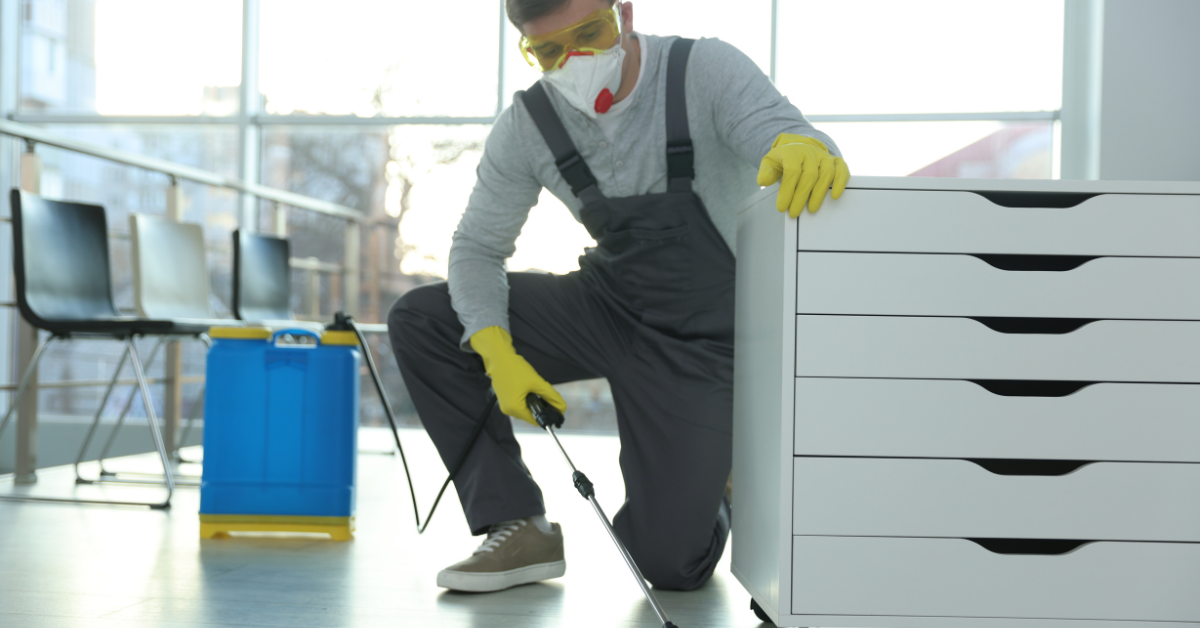
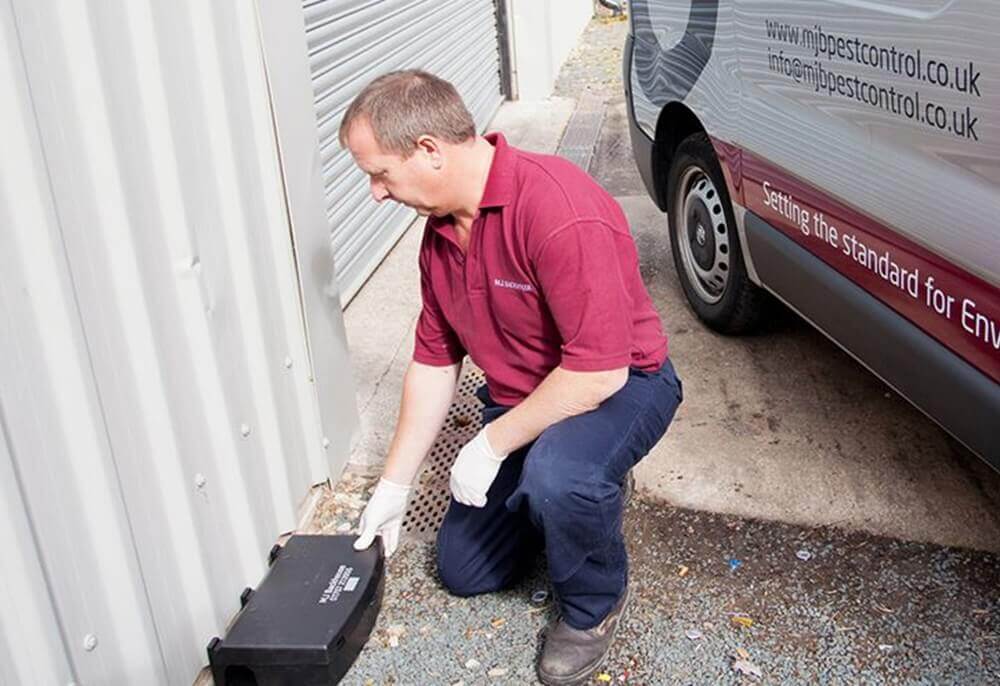
If you’re a tenant who needs to deal with an infestation yourself, you can either contact a local pest control company or you can try DIY methods to remove the pest problem.
There are pros and cons to both approaches. While you may perceive do it yourself pest control as the cheaper option, bear in mind that it could end up being more expensive if your treatment methods fail. It will also take extensive time, effort and research and there are some pests or severe infestations that will be impossible to deal with without professional pest control.
Pest Control Advice for Tenants
- Make sure you inform the landlord as soon as possible and allow them a reasonable amount of time to resolve the issue if you believe it is their responsibility.
- Check that the property is in a good state of repair and that there are no obvious pest control issues before you move in.
- Let your landlord know if any maintenance or repair issues arise as disrepair or structural damage may cause pest control problems.
- Practice good hygiene such as cleaning up spillages, not leaving uncovered food out and take care of the property once you move in.
Pest Control Advice for Landlords
- Make sure you attend to any repairs needed in a timely manner to prevent pests from accessing the property as much as can reasonably be expected.
- Maintain regular inspections of the property and ensure your tenant is aware of their obligation to keep the property clean.
- Deal with any known pest control issues and get repair work completed before a tenant moves in.
- Try to negotiate with tenants and help them solve pest control issues, even if you think it is their responsibility. Remember that some pest infestations left untreated could cause damage to your property.
- In some instances, it may be useful to have a professional pest controller inspect the property and advise of preventative measures.
Contact us
Whoever the responsibility falls to, if you’re a landlord or a tenant dealing with pest control for rental properties in Yorkshire, get in touch with MJ Backhouse for your pest control needs.