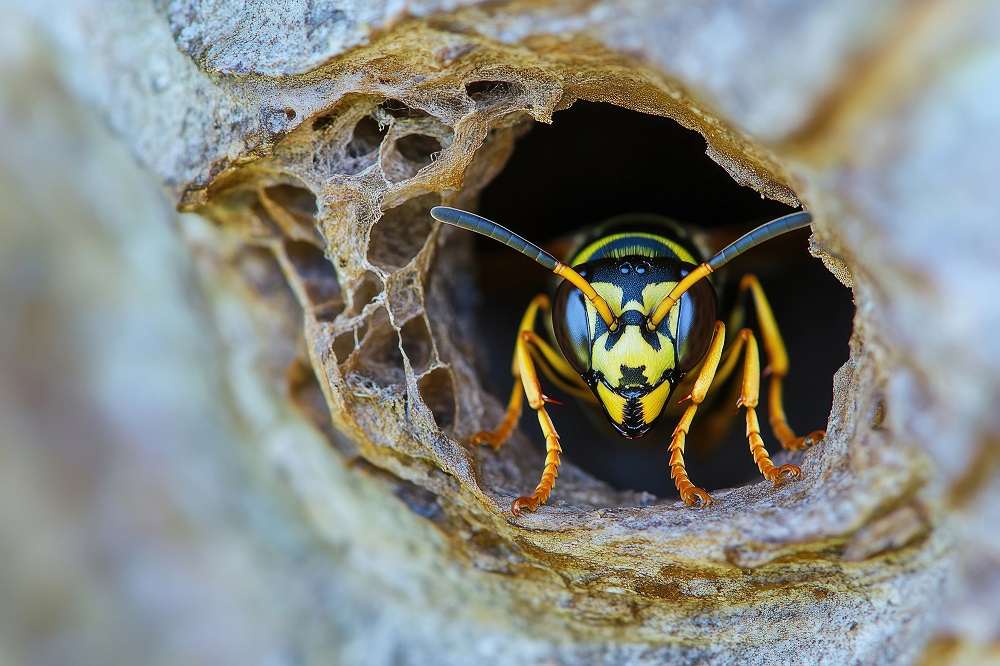
5 Signs You Have a Wasp Nest in Your Walls
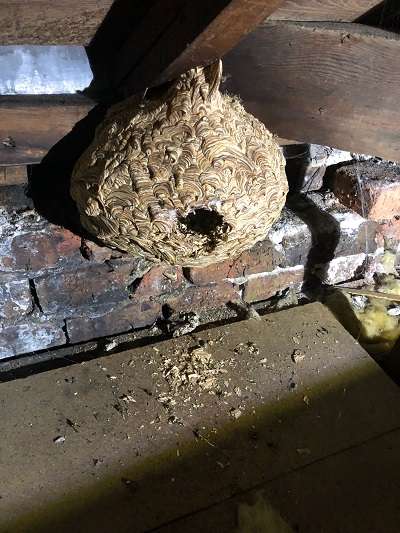
If you can detect a wasp nest early enough, you can prevent the disruption to your business but things get more challenging if wasps have managed to find their way inside the walls. Here are some other common signs of a wasp nest in domestic or commercial buildings:
Increased Wasp Activity
Noticing a lot of wasps flying around your building is a sign they could be nesting nearby, especially around windows, vents or other cracks around the structure.
Buzzing Sounds
Hearing buzzing from walls or ceilings can indicate wasps inside. Louder, more persistent buzzing often corresponds to larger colonies.
Agressive Behaviour
Wasps might appear more aggressive when their nest is close. If wasps in your facility seem to be behaving defensively, their nest may be hidden within the building.
Why Wasps in Walls Are a Problem
A wasp infestation within a commercial building can lead to more than just inconvenience. The potential consequences include:
• Safety Risks: Having wasps buzzing around employees, customers and visitors can lead to safety concerns, especially if someone is allergic to wasp stings.
• Disruption to Operations: Staff productivity may decrease if they’re constantly dealing with wasps. In some cases, parts of the building may even become impossible to access.
• Reputation Damage: Visible wasp activity can negatively impact customer perceptions, particularly in industries like hospitality, retail, or food service.
• Structural Damage: Wasps can chew through walls, insulation and other materials, leading to costly repairs if left unaddressed.
How Do Wasps Survive the Winter?
The survival of wasp queens through the winter is crucial for the continuation of the species. By finding a sheltered spot to enter diapause, these queens can avoid the lethal effects of freezing temperatures. Their bodies produce a form of antifreeze, glycerol, which prevents ice crystals from forming and damaging their cells.
As the temperatures rise in spring, the queens awaken from their diapause. They then set about the task of building new nests, laying eggs, and starting the cycle anew. The survival of the species depends entirely on these queens, as the previous year’s workers and nests are not reused.
While wasps do not hibernate in the traditional sense, they have developed a fascinating method of surviving the winter months. By entering a state of diapause, fertilised queens can outlast the cold, ensuring the continuation of their species into spring.
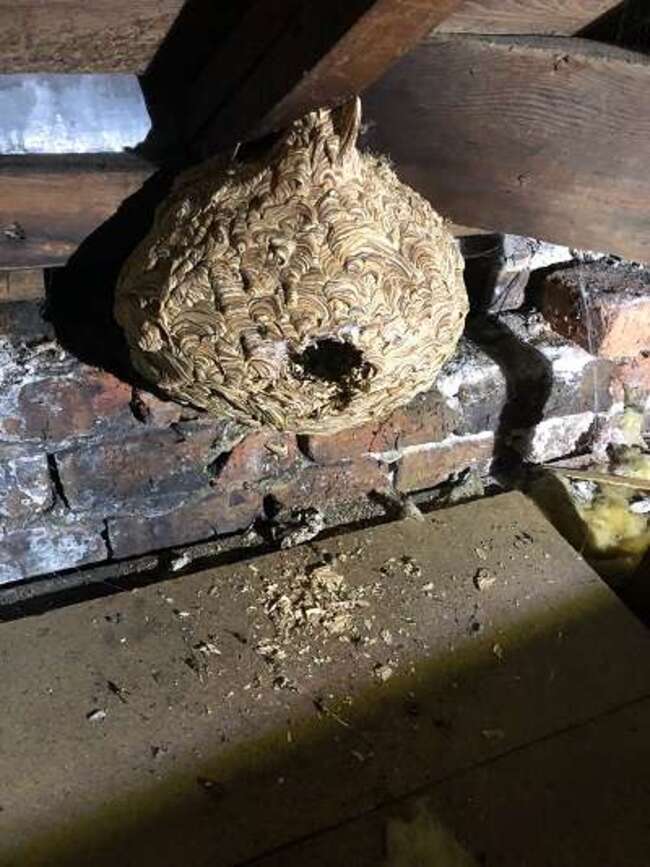
When to Call a Professional Pest Control Service
If your business is experiencing signs of a wasp infestation, it’s important to act promptly. Contact a professional pest control service if:
• The nest is large or located in an inaccessible area.
• Wasp activity is disrupting operations.
• Employees or customers are at risk.
Delaying action can lead to greater risks, including escalated safety concerns and costly structural damage.
Contact us
MJ Backhouse specialises in commercial pest control, providing solutions to keep both homes and businesses safe and free of pests. If you suspect you might have a wasp infestation, get in touch with us.