When is the Tenant Responsible for Pest Control?
If the tenant’s everyday lifestyle or negligence attracts vermin such as if they cause damage to the property or fail to keep it in a good state, the tenant is usually expected to deal with the issue and pay for any costs associated with pest control or repairs to prevent re-infestation. This will likely be the case if the tenant fails to keep the property clean, doesn’t dispose of rubbish properly or leaves food out.
There are several other considerations to make as a tenant dealing with pest infestations such as:
Does Your Tenancy Agreement Cover Pest Control?
This is important for both landlord and tenants to consider as most cases can usually be resolved by checking what the tenancy agreement says. If you’re a tenant facing a pest control issue in a rented property, you should always check this document first before you notify the landlord of a problem or make arrangements to deal with it.
Usually, a tenancy agreement will state that it is the landlord’s responsibility to ensure that the property is kept in a good state of repair. This means the landlord should look after the structure of the building and ensure healthy living conditions for any tenant before they move in. In some cases though, your tenancy agreement may mention pest control specifically and state who is responsible.
Was The Property Infested Before the Tenant Moved In?
If there’s no mention of pest control in the tenancy agreement, it’s important to establish when an infestation occurred. With some pests, this may be difficult as issues can go unnoticed for longer but at this point, it’s up to the tenant to inform the landlord as soon as possible.
What Caused the Pest Infestation?
If the pest problem is caused by disrepair such as a broken pipe allowing access to rats or mice, the responsibility would typically fall to the landlord unless your agreement says otherwise.
Can a Tenant Withhold Rent if a Landlord Won’t Deal with Pest Control Issues?
It’s always best to try negotiating with your landlord to see if you can compromise in situations where it’s not clear who is responsible for pest control. If you’re struggling to agree on who needs to solve the problem, your local council may be able to send an environment health officer to inspect the property and decide what action needs to be taken, and ultimately who should deal with it.
If you choose to pay for a pest control service yourself and want to claim it back from your landlord, you should make prior arrangements with them to negotiate taking it off your rent payment. Make sure you follow the obligations of your tenancy agreement and don’t just withhold rent.
How Do You Deal with Pest Control in a Rented Property?
If you’re a tenant who needs to deal with an infestation yourself, you can either contact a local pest control company or you can try DIY methods to remove the pest problem.
There are pros and cons to both approaches. While you may perceive do it yourself pest control as the cheaper option, bear in mind that it could end up being more expensive if your treatment methods fail. It will also take extensive time, effort and research and there are some pests or severe infestations that will be impossible to deal with without professional pest control.
Pest Control Advice for Tenants
- Make sure you inform the landlord as soon as possible and allow them a reasonable amount of time to resolve the issue if you believe it is their responsibility.
- Check that the property is in a good state of repair and that there are no obvious pest control issues before you move in.
- Let your landlord know if any maintenance or repair issues arise as disrepair or structural damage may cause pest control problems.
- Practice good hygiene such as cleaning up spillages, not leaving uncovered food out and take care of the property once you move in.
Pest Control Advice for Landlords
- Make sure you attend to any repairs needed in a timely manner to prevent pests from accessing the property as much as can reasonably be expected.
- Maintain regular inspections of the property and ensure your tenant is aware of their obligation to keep the property clean.
- Deal with any known pest control issues and get repair work completed before a tenant moves in.
- Try to negotiate with tenants and help them solve pest control issues, even if you think it is their responsibility. Remember that some pest infestations left untreated could cause damage to your property.
- In some instances, it may be useful to have a professional pest controller inspect the property and advise of preventative measures.
Contact us
Whoever the responsibility falls to, if you’re a landlord or a tenant dealing with pest control for rental properties in Yorkshire, get in touch with MJ Backhouse for your pest control needs.
Related articles
View all articles
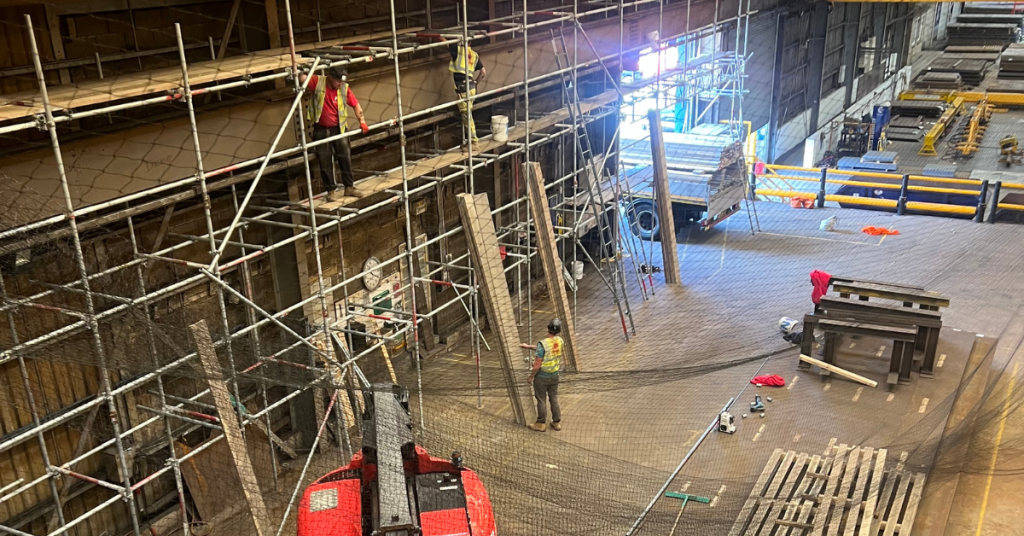
Why Birds Are a Serious Problem in Warehouses
Large, open structures make warehouses the perfect nesting environment for birds. Species such as pigeons and gulls are particularly drawn to:
- High roof spaces and rafters
- Ledges and steel beams
- Loading bays and open roller doors
- Areas close to food sources or waste
Once they settle in, the issues can escalate quickly.
The Main Problems Pest Birds Cause
Property damage
Bird droppings are highly acidic and can corrode metal, damage paintwork and stain surfaces. Gutters and drains can become blocked with feathers and nesting materials, leading to water damage. Solar panels and roofing systems can also be affected.
Noise and disruption
Nesting birds, especially during breeding season, can be extremely noisy. This can disrupt staff concentration and create an unpleasant working environment.
Stock contamination
In warehouse settings, fouling and pecking can damage packaging and stock, leading to costly waste.
Health and safety risks
Large amounts of bird droppings create slippery surfaces around entrances, walkways and loading areas. This increases the risk of slips and falls for staff and visitors. There are also potential health concerns, as birds can carry diseases such as Ornithosis, E. coli and Salmonella. In environments handling food or sensitive materials, this becomes a serious compliance issue.
Signs of a Bird Infestation
It’s important to act early. Some of the most common warning signs include:
- Birds regularly flying in and out of the building
- Birds gathering on roofs, ledges or beams
- Concentrated droppings in specific areas
- Nesting materials such as twigs and feathers in gutters
- Loud chirping or cries of chicks
- Damaged stock from fouling or pecking
If you’re seeing any of these signs, it’s time to consider professional bird deterrent solutions.
Effective Bird Deterrents for Industrial Warehouses
In large commercial environments, a combination of deterrents is usually the most effective approach. Professional pest control companies tailor solutions based on the size of your warehouse, bird species involved and operational requirements.
1. Physical Proofing and Exclusion
This is often the most reliable long-term solution.
- Bird netting prevents access to roof voids and rafters.
- Spikes and post-and-wire systems stop birds from landing on ledges and beams.
- Barriers can be installed to block access to common nesting sites.
These systems are humane and designed to prevent roosting without harming birds.
2. Removing Attractants
Birds usually nest close to a food source. While this isn’t always fully controllable, particularly for food businesses, steps can still help:
- Keep rubbish bins sealed and secure
- Avoid leaving food waste exposed
- Store stock and materials properly
- Reduce standing water where possible
Limiting access to food significantly reduces repeat infestations.
3. Cleaning and Decontamination
Professional guano removal is essential once birds have been present. Safe cleaning and sanitisation remove health hazards and prevent bacteria build-up, while restoring your premises to a compliant standard.
4. Advanced Deterrent Systems
For large warehouse yards or distribution centres, additional methods may be recommended, including:
- Bio-acoustic systems (distress call deterrents)
- Laser deterrents for open roof spaces
- Trained birds of prey in some specialist cases
These are typically used as part of a wider integrated bird management plan.
Why Use a Professional Pest Control Company?
Industrial bird control isn’t a DIY job. In the UK, birds are protected under wildlife legislation, meaning deterrent work must be carried out legally and humanely.
Professional pest control companies provide:
- Detailed site surveys and risk assessments
- Species identification
- Bespoke bird proofing solutions
- Safe and compliant installation
- Ongoing maintenance contracts
- Practical prevention advice
Most importantly, they ensure the issue is dealt with properly the first time – saving you money in the long run.
Protecting Your Warehouse Long-Term
Bird deterrents for industrial warehouses aren’t just about solving today’s problem – they’re about preventing tomorrow’s.
Regular inspections, good waste management and professional maintenance help keep your premises bird-free and compliant. Acting early is always more cost-effective than waiting until the damage becomes significant.
If you’ve noticed signs of bird activity in your warehouse, arranging a professional survey is the first step towards a cleaner, safer and more secure working environment.
If you want to deter birds from your or you already have a bird problem, Contact us today for professional advice and effective control solutions that protects your warehouse, stock and staff.
Contact us
If you’re looking for a professional and dependable pest control partner for your business, MJB Pest Control is here to help. Contact us today to discuss your specific needs and find out how we can help keep your premises pest-free.
Related articles
View all articles

Is Your Pest Control Provider Properly Qualified and Accredited?
Before anything else, check that the company holds relevant industry accreditations. In the UK, reputable pest controllers are typically members of recognised trade bodies such as the British Pest Control Association (BPCA) or the National Pest Technicians Association (NPTA).
These memberships carry real weight. They confirm that technicians are trained to recognised standards, operate within current UK legislation and follow safe, responsible practices when handling treatments and chemicals. Any good provider will be happy to share proof of accreditation without you even having to push for it. If they’re reluctant or vague, that tells you something worth knowing early on.
Why can you trust us?
Fully accredited


What Experience Does Your Pest Control Company Have With Your Specific Problem?
Not every pest control company has the same depth of experience across all pest types. For example a company with strong rodent control knowledge might have less exposure to insect infestations, bird proofing, or specialist commercial treatments. It’s always worth asking directly rather than assuming their general experience covers your specific situation.
Some useful questions to raise here include:
- How many similar jobs have they completed in commercial settings?
- Do they have any references or case studies they can point you to?
- Are their technicians specifically trained for this pest type?
- Have they worked with businesses in your sector before?
A knowledgeable provider will answer these with confidence. If you’re getting vague or evasive answers at this stage, that’s a good indicator of how communication will go once they’re actually on site.
Our Services
We specialise in the following pest control services, delivering safe and effective solutions tailored to your needs with a focus on reliability and long lasting results.
What Should a Commercial Pest Control Inspection Involve?
A professional pest control company should always carry out a thorough inspection before recommending any treatment. This is how they assess the scale of the problem, identify how pests are getting in and work out the most effective and proportionate approach for your site.
Understanding what that process looks like also helps you know what to expect and hold your provider accountable. If you want a clearer picture of what a professional survey should cover, it’s worth reading through our guide on what happens during a commercial pest control inspection before that first visit so you can ask informed questions from the outset.
A proper inspection should include:
- A full assessment of entry points and potential hiding spots inside and outside the property
- Evidence of pest activity such as droppings, damage, tracks or nesting material
- Identification of contributing factors like drainage issues, structural gaps or waste management problems
- A written report with clear findings and treatment recommendations
If a company wants to skip straight to treatment without carrying out a proper survey first, that is a sign to look elsewhere. In a commercial setting particularly, a thorough inspection isn’t just good practice, it’s the foundation of any credible pest management programme.
What Pest Control Treatment Methods Do They Use and Are They Safe for Commercial Premises?
This is especially important in commercial environments where staff welfare, public safety and regulatory compliance all need to be considered. You have every right to know exactly what products are being used on your site and why they’ve been selected for your specific situation.
A good provider will be open about this and should explain whether they’re using chemical treatments, non-toxic alternatives, exclusion methods, or a combination of approaches. They should also be clear about whether products are UK approved and whether any preparation or access restrictions are required before staff can return to treated areas. If the answers feel rushed or unclear, push for more detail before agreeing to anything.
Does Your Pest Control Provider Offer Long Term Prevention Not Just Treatment?
Getting rid of an active pest problem is one thing but making sure it doesn’t come back is another matter entirely and this is where a lot of pest control companies fall short. For businesses, a reactive approach simply isn’t good enough, particularly where compliance, food safety, or customer-facing environments are involved.
Ask whether the company offers:
- Follow-up visits to check treatment effectiveness over time
- Proofing services to seal entry points and prevent re-entry
- Ongoing monitoring contracts for regular site checks
- Practical advice on environmental or structural changes that reduce future risk
For businesses operating in retail or customer-facing environments, understanding effective retail business pest prevention strategies gives a useful benchmark for what a properly structured, ongoing prevention programme should look like. It’s also worth thinking about how to pest proof your business in winter, as seasonal changes can significantly increase pest pressure if the right measures aren’t already in place. Prevention isn’t an optional extra for commercial premises, it’s a core part of responsible site management.
Is Your Pest Control Company Fully Insured and Do They Complete Risk Assessments?
Any professional pest control company operating in the UK should hold public liability insurance as a minimum. This protects both parties if any accidental damage or unforeseen issue occurs during treatment and it’s a basic requirement you should always verify before work begins.
Alongside insurance, ask whether they carry out a formal risk assessment before any treatment takes place. This is standard practice for any reputable operator and should cover safe chemical handling, health and safety compliance and any risks specific to your site or working environment. If a company can’t confirm either of these things clearly and promptly, it’s not worth taking the risk regardless of how competitive their pricing might be.
What Aftercare and Compliance Documentation Should a Pest Control Provider Give You?
A provider who stands behind their work will be upfront about what happens if the problem persists after treatment. For commercial clients in particular, clarity around aftercare and documentation is important, not just for peace of mind, but for audit and compliance purposes too. If your business is subject to inspections or standards such as BRC, the right documentation is essential and it’s worth reading up on BRC audit preparation and what pest control records auditors expect to see so you know exactly what to ask for.
Questions worth raising before you confirm anything:
- Is there a call-back policy if the infestation returns within a set period?
- Is aftercare included in the quoted price or charged separately?
- Will they provide written documentation of all treatments carried out?
- Can they supply service reports suitable for compliance or audit purposes?
Getting all of this in writing before work starts protects you as a client and gives you a clear reference point if any disputes or issues arise further down the line.
How Transparent Are They About Costs?
Pest control pricing varies depending on the type of pest, the scale of the infestation and the treatment required. A straightforward provider will give you a clear, itemised quote before any work starts, rather than rough estimates that shift once they’re on site and the job is already underway.
Be cautious of companies that are vague about pricing, reluctant to put costs in writing, or who push premium packages without clearly explaining the reasoning behind them. How a company handles the pricing conversation is usually a fairly honest reflection of how they operate across the board, so it’s worth paying attention to even before any work begins.
Do They Understand the Demands of Commercial Pest Control?
Managing pest risk in a commercial environment is meaningfully different to a standard domestic job. Regulatory compliance, food safety obligations, staff welfare, public liability and reputational risk all come into play and your provider needs to understand that landscape rather than just showing up with a standard treatment kit.
If you’re a business owner or facilities manager, you need a company that has genuine experience working with commercial clients, knows the relevant legislation and can produce documentation that holds up to scrutiny in an audit or inspection. Asking directly about their commercial portfolio, the industries they work with and how they handle compliance documentation will quickly tell you whether they have the depth of experience your business actually needs.
Why MJ Backhouse Ticks Every One of Those Boxes
If you've been working through those questions and wondering where to find a provider that genuinely measures up, this is where we come in. MJ Backhouse has been delivering professional pest control across Yorkshire since 1988 and our commercial pest control services are built around exactly the standards business owners and facilities managers should be looking for. We're fully accredited, NPTA members and carry comprehensive public liability insurance. Every job starts with a proper site inspection, full risk assessment and a clear, transparent quote before any work begins. We don't do vague estimates or one-size-fits-all treatments. We provide detailed service reports, full documentation of treatments carried out and ongoing monitoring contracts for businesses that need consistent, compliant pest management throughout the year. Whether you're preparing for an audit, dealing with an active problem, or simply want a reliable prevention programme in place, we have the experience and the systems to support you properly.
In summary, when it comes to finding the right pest control provider, the questions you ask upfront make all the difference. From checking accreditations and understanding the inspection process, through to aftercare and long-term prevention, a bit of careful due diligence goes a long way.
Ready to Work With a Pest Control Provider You Can Rely On?
At MJ Backhouse, we’ve been working with commercial clients across Yorkshire for over 35 years. We’re transparent, fully accredited and genuinely care about keeping your business compliant and protected. Get in touch today on 0800 542 6359 or email info@mjbpestcontrol.co.uk to arrange a survey or discuss your requirements.
Contact us
If you’re looking for a professional and dependable pest control partner for your business, MJB Pest Control is here to help. Contact us today to discuss your specific needs and find out how we can help keep your premises pest-free.
Related articles
View all articles
Why Preparation Has a Direct Impact on Commercial Pest Control Results
Pest control treatments are only as effective as the access they’re given. If a technician can’t reach the areas where pest activity is concentrated, whether that’s behind racking, under units, along wall junctions, or around pipe runs, the treatment will always be limited. This is especially true in busy commercial environments where equipment, stock and furniture can easily block the zones that need treating most.
Preparing your site properly isn’t about doing the technician’s job for them. It’s about removing the obstacles that would otherwise get in the way of a thorough, well-targeted treatment. The businesses that consistently get the best results from commercial pest control are the ones that take this preparation step seriously, rather than treating it as an afterthought.
How to Clear Access Around Known Pest Activity Before the Visit
One of the most impactful things you can do is clear the areas where pest activity has been identified or is suspected. This typically means pulling stock, racking and equipment away from walls so that skirting boards, pipe runs, wall junctions and floor edges are all fully accessible to the technician.
Key areas to focus on include:
- Storage rooms and stock areas where rodent or insect activity has been spotted
- Kitchen and food preparation areas including under units and behind appliances
- Loading bays, delivery areas and external access points into the building
- Utility rooms, plant rooms and anywhere with visible pipework or drainage runs
Even moving items a short distance from the walls makes a meaningful difference to what a technician is able to reach and treat during the visit. It’s a small investment of time that directly improves the quality of the outcome.
Food Safety Preparation Before a Commercial Pest Control Treatment
If your business handles food in any capacity, whether that’s a restaurant or hospitality venue, a retail store, a food production facility, or a warehouse storing packaged goods, this step is one of the most important parts of your preparation. Before any treatment takes place, food and anything that comes into contact with it needs to be properly protected to avoid any risk of contamination from the products being applied.
In practical terms, this means going through your premises before the technician arrives and making sure that:
- All loose or open food items are sealed in airtight containers or removed from the treatment area entirely
- Catering equipment, utensils and crockery left out on surfaces are stored away or covered
- Packaging materials such as bags, boxes and food wrapping stored at low level are moved or covered
- Drinks, ingredients and anything stored in open shelving within the treatment zone is secured
Your technician will confirm the specific requirements based on the products being used, but taking these steps as standard means the treatment can start on time without any last-minute scramble to move things around. If your business is subject to food safety standards or audits, our guide on BRC audit preparation and pest control is worth a read alongside this one.
Managing Staff Communication and Site Access on Pest Control Treatment Day
Good communication with your team ahead of a treatment visit is something that often gets overlooked, but it makes the whole process run significantly more smoothly. Staff need to know which areas will be restricted, for how long and what they should do in the meantime, particularly in larger sites where multiple teams or departments share the space.
Restricting Access to Treated Areas
Some treatments require certain areas to be vacated entirely for a period of time. Planning this in advance rather than managing it on the day reduces disruption and prevents anyone accidentally entering a treated area before the appropriate clearance time has passed.
Making Sure Your Technician Can Access the Whole Site
Whoever is responsible for site access on the day should be fully briefed and available to let the technician into every relevant area, including rooms that are normally locked, external perimeter areas, outbuildings and service areas that form part of the site.
A technician who can’t access part of the site simply can’t treat it and that gap in coverage is often exactly where a pest problem persists or re-establishes itself. To get a clearer sense of what areas a technician will typically need to reach, it’s worth reviewing what happens during a commercial pest control inspection beforehand so nothing comes as a surprise on the day.
Preparing External Areas and Building Entry Points Before Treatment
Internal preparation gets most of the attention, but the outside of your building is just as important and it’s the area that tends to get forgotten about entirely. Overgrown plants and shrubs close to the building, accumulated waste, uncovered drains and cluttered outdoor areas all create exactly the kind of conditions that attract pests in the first place and they can also make it much harder for a technician to properly assess and treat the perimeter of your site.
Before your visit, take a walk around the outside of the building and make sure that:
- External waste bins and compactors are closed and positioned away from entry points
- Shrubs close to the building has been cut back where possible
- Drains and gullies are clear and covered appropriately
- Any obvious structural gaps around doors, windows, or pipework have been noted to flag to your technician on arrival
Sharing what you’ve observed about external areas when your technician arrives helps them build a fuller picture of your site and prioritise the areas that carry the most risk.
Pets, Vulnerable Individuals and Special Site Requirements
If your premises involve animals, vulnerable individuals, or any specific circumstances worth flagging, it’s simply a case of letting your provider know before the visit so they can plan accordingly. This is relevant for healthcare settings, care facilities, educational environments and any business that has animals on site.
Passing this information on at the booking stage means your pest control provider can choose the most appropriate products and methods for your specific situation. It’s nothing to worry about, it just helps them tailor the treatment to your site properly and means everything runs smoothly on the day without any last-minute changes or surprises.
What to Do After a Commercial Pest Control Treatment
Preparation doesn’t stop once the technician leaves the site. How you manage the period immediately after a treatment is just as important as everything that came before it and getting this right is what helps the treatment deliver lasting results rather than a temporary fix.
Re-entering the Premises and Ventilating Treated Areas
Your provider should leave you with clear post-treatment instructions, but there are a few general principles that apply across most commercial treatments. Ventilating treated areas before staff return is usually recommended, particularly where chemical treatments have been used. Cleaning surfaces in treated zones should wait until the advised clearance period has passed, as cleaning too soon can reduce the effectiveness of what's been applied.
Leaving Monitoring Equipment and Bait Stations in Place
Any bait stations, monitoring devices, or traps left in place should be left undisturbed between visits unless you've been specifically told otherwise. Moving or interfering with monitoring equipment can disrupt the treatment programme and make it harder for your technician to accurately assess activity levels on their next visit.
Booking Follow Up Visits and Staying on Top of Prevention
Follow-up visits are an important part of any properly structured treatment programme, so make sure those are confirmed before your technician leaves. Ongoing prevention is what stops problems from returning and as the seasons change pest pressure can shift significantly. Our guide on how to pest proof your business in winter is worth reading for any commercial premises heading into the colder months, as this is when many businesses see an increase in rodent activity particularly.
Always Ask Your Pest Control Provider What They Need From You in Advance
Every treatment is different and the specific preparation required will depend on the pest type, the products being used and the nature of your site. Alongside following the general guidance in this blog, the most useful thing you can do is ask your provider directly what they need from you before they arrive and make sure you receive that information in good time rather than the day before.
A professional pest control company will give you clear, practical pre-treatment guidance as standard. If you’re having to chase for that information, it’s a signal worth paying attention to. Clear communication between client and provider is one of the things that separates a treatment that delivers lasting results from one that only partially addresses the problem and it starts well before the technician sets foot on your site.
In summary, preparing your commercial premises properly before a pest control treatment makes a real difference to the results you get and the long-term protection your business benefits from. Clearing access, protecting food and stock, briefing your team, attending to external areas and following through on post-treatment guidance all help your provider do their job as thoroughly as possible.
Book a Commercial Pest Control Treatment With MJ Backhouse
At MJ Backhouse, we guide our commercial clients across Yorkshire through everything they need to do before we arrive so there are no surprises and no wasted visits. We work with businesses across a wide range of sectors including food, retail, hospitality, healthcare and factories and warehouses.
Get in touch today on 0800 542 6359 or email info@mjbpestcontrol.co.uk to book a treatment or talk through your requirements.
Contact us
If you’re looking for a professional and dependable pest control partner for your business, MJB Pest Control is here to help. Contact us today to discuss your specific needs and find out how we can help keep your premises pest-free.
Related articles
View all articles
Why Commercial Warehouses Attract Rodents
To spot an infestation early, it helps to understand why warehouses are such an attractive environment for rodents in the first place. A large commercial warehouse offers almost everything a rat or mouse needs to thrive. There is warmth, shelter, plenty of quiet undisturbed spaces and in many cases easy access to food and water.
Stacked pallets, rarely moved inventory and cluttered corners all give rodents the cover they need to move around without being seen. Loading bays, drainage points and gaps around pipework are common entry points and once inside, the sheer size of a warehouse makes it easy for rodent activity to go unnoticed for quite some time.
How to Check Your Warehouse for Rodent Activity
If you want to be proactive about spotting rodent activity before it becomes a serious problem, a regular and methodical walkthrough of your warehouse is a good habit to get into. Rather than a general look around, it is worth focusing on the specific areas and signs most likely to reveal early activity.
A practical check should cover:
- Running a torch along the base of all walls and behind racking to look for droppings, grease marks, or gnaw marks.
- Checking any areas of the warehouse that are rarely accessed.
- Looking for gnaw damage on packaging, cables and structural elements.
- Noting any unusual smells, particularly in enclosed or poorly ventilated corners.
- Checking entry points like loading bays, drainage areas and gaps around utilities for signs of use.
Doing this regularly, even just once a week, means you are far more likely to catch the early signs before the problem has a chance to grow.
Gnaw Marks as a Sign of Rodent Activity
Rodents gnaw constantly because their teeth never stop growing. In a warehouse, that means gnaw marks can turn up on almost anything including cardboard packaging, wooden pallets, plastic containers and structural timbers. The most serious concern is electrical cables and wiring, because gnawed wiring creates a real fire risk.
Fresh gnaw marks look pale and clean. They darken over time as the material is exposed to air, so pale marks are a strong indicator of current activity. If you are already seeing signs of mice infestation specifically, the gnaw marks tend to be smaller and more scattered than those left by rats, which can help you work out what you are dealing with.
Grease Marks, Smear Trails and Footprints
Rats tend to follow the same routes over and over again, running close to walls and along edges rather than crossing open spaces. Over time, the grease and dirt in their fur leaves dark smear marks on the surfaces they travel against. These are most visible on light coloured walls, skirting boards and along the edges of beams or structural supports.
Footprints and tail drag marks are worth looking out for too, particularly in dusty corners or areas where fine debris has settled on the floor. A simple way to test whether an area is being actively used is to sprinkle a thin layer of flour or chalk dust and check it after a quiet period overnight. Behind racking, under shelving and along the base of walls are the best places to start.
Rodent Nesting Materials and Common Hiding Spots in Warehouses
Finding a nest is a clear sign that rodents feel settled enough in your warehouse to breed, which means the population is likely already growing. Rodents build nests from whatever soft materials they can find nearby, typically shredded cardboard, torn packaging, insulation, or paper, formed into a compact ball shape tucked into a hidden spot.
In a commercial warehouse, the places to check include:
- Behind or underneath pallets and racking that are rarely moved.
- Inside damaged or hollow machinery and equipment.
- In wall cavities, roof spaces or around pipework insulation.
- In gaps between stored goods and walls, particularly in corners.
The more undisturbed the area, the more likely rodents are to use it for nesting. It is worth making a habit of checking these kinds of spots regularly, even if everything looks fine on the surface, because nests are often tucked well out of sight and easy to miss during a casual walkthrough.
Sounds and Smells That Signal a Rodent Problem
Rodents are most active during quiet periods, so scratching, scurrying, or gnawing sounds coming from walls, ceilings, or floor voids are worth paying attention to. Staff arriving early or working late are often the first to notice these kinds of noises, particularly in an otherwise quiet warehouse.
Smell is another sign that is easy to overlook but should not be. A strong ammonia smell in enclosed or poorly ventilated areas like store rooms, plant rooms, or corners behind racking is a sign of significant rodent urine buildup. The stronger and more persistent the smell, the more established the problem is likely to be.
Damaged Stock and the Financial Impact on Your Business
Damaged stock is one of the most visible and costly signs of a rodent problem in a warehouse. Rats and mice gnaw through packaging to reach food products and even in non-food warehouses they will chew through materials for nesting. The financial impact goes well beyond the cost of writing off a few damaged items.
Goods contaminated by rodent droppings, urine, or fur cannot be sold and need to be disposed of carefully. In regulated industries, contaminated stock reaching customers can trigger product recalls, regulatory action and lasting reputational damage. If you operate a food preparation area or commercial kitchen, the risks are even higher. Our guide on common pests found in commercial kitchens covers what to watch out for in those environments specifically.
Why Acting Quickly on a Rodent Infestation Makes Such a Difference
One of the most important things to understand about rodent infestations is how fast they can escalate. A single pair of rats can produce a large number of offspring within a year and a warehouse provides exactly the conditions they need to breed successfully. What looks like a minor problem can become a serious one within just a few weeks.
Beyond stock damage, the longer term risks include fire hazards from gnawed wiring, structural damage to timbers and the health and safety obligations that come with running a commercial premises. Failing to address a known pest problem can result in enforcement action or even closure in serious cases. For businesses in retail or distribution, our piece on effective retail pest prevention strategies is a useful read for understanding how to reduce the risk of infestations taking hold in the first place.
When to Call a Professional Pest Management Team
If you have spotted any of the signs covered in this blog, the best thing you can do is act on them promptly rather than waiting to see if the problem gets worse. Rodent infestations in commercial warehouses rarely go away on their own and DIY solutions like bait stations and traps are not sufficient at a commercial scale. They can help manage small numbers but they do not address how rodents are getting in or why they are staying. A professional pest management team , like ourselves, can survey your warehouse thoroughly, identify entry points, assess the level of activity and put together a treatment and prevention plan that fits the size and nature of your operation. Getting on top of the problem early is always quicker, cheaper and far less disruptive than dealing with a fully established infestation later down the line.
In summary, rodents are good at staying hidden but they always leave signs behind. Droppings, gnaw marks, grease trails, nesting materials, unusual sounds, distinctive smells and damaged stock are all warning signs that should be taken seriously and acted on quickly. The earlier a problem is identified and dealt with, the easier and less costly it is to resolve.
Spotted signs of rodent activity in your warehouse? Contact the MJB Pest Control team today for a professional survey and a treatment plan tailored to your site.
Contact us
If you’re looking for a professional and dependable pest control partner for your business, MJB Pest Control is here to help. Contact us today to discuss your specific needs and find out how we can help keep your premises pest-free.
Related articles
View all articles

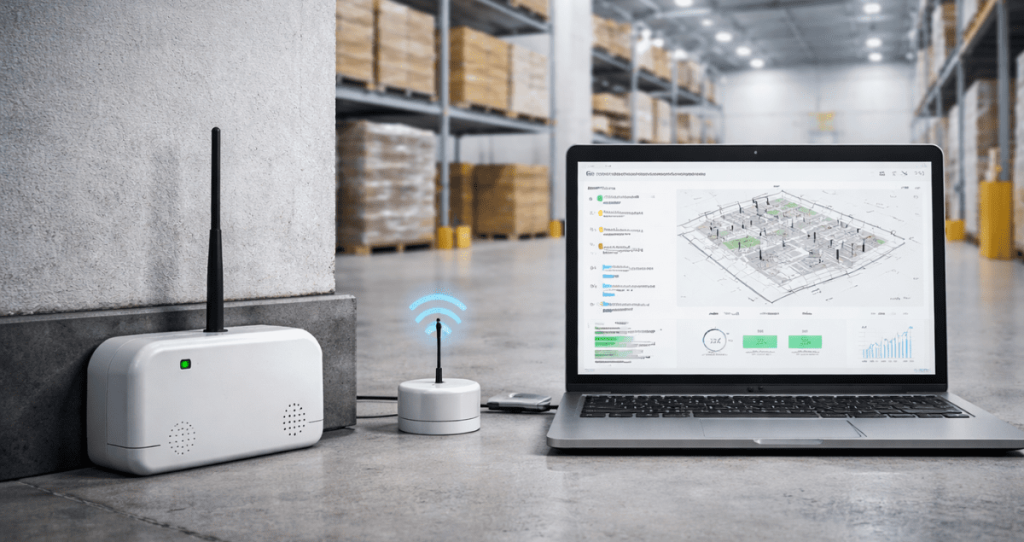
What Remote Pest Monitoring Means for Businesses
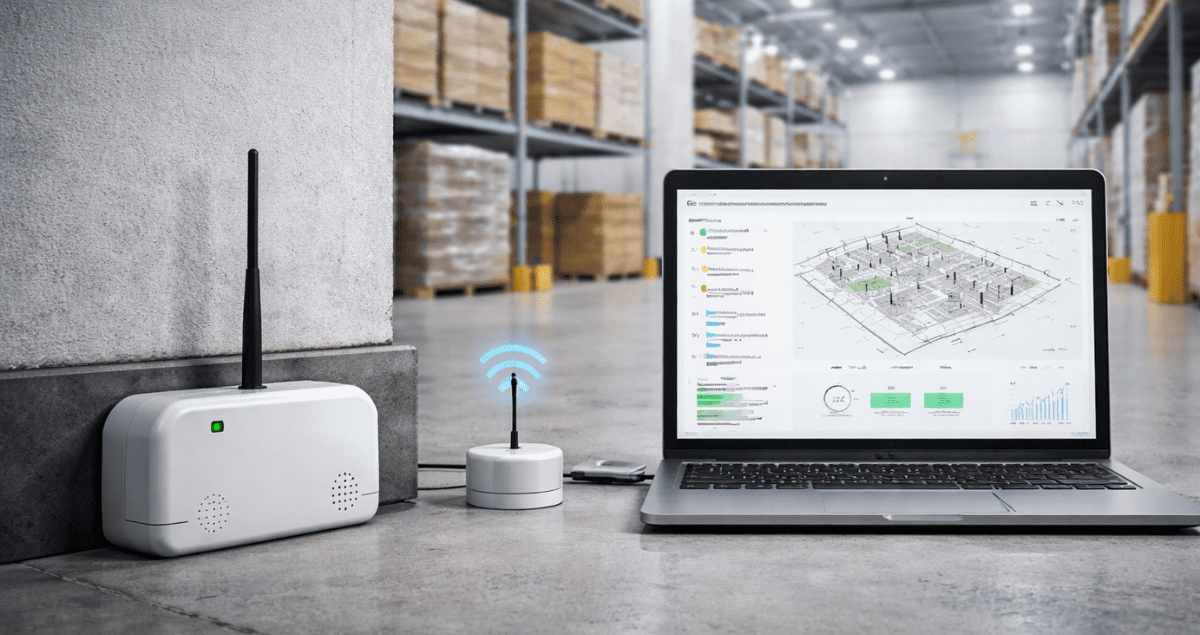
Remote pest monitoring uses smart digital technology to detect pest activity without relying only on physical inspections. Devices such as connected rodent traps, motion sensors or monitored bait stations are installed in key high risk areas across your commercial site.
These systems track pest movement continuously and send alerts as soon as activity is recorded. That means action can be taken immediately, rather than waiting days or weeks for the next routine visit. For larger organisations, this type of monitoring makes pest control far more proactive.
How Real Time Pest Detection Technology Works
Modern remote monitoring systems use sensors that detect movement, entry or trap activation inside pest control devices. The collected data is then transmitted through mobile networks or Wi Fi to an online dashboard.
Remote pest monitoring often includes
- Rodent trap activation alerts
- Smart insect monitoring through connected fly traps
- Activity trends across multiple sites
- Environmental indicators such as heat and humidity
This technology helps pest control teams respond faster and more accurately, especially across wide commercial networks.
Why Multi Site Businesses Benefit From Central Oversight
For businesses operating across several locations, pest management needs to be scalable and easy to oversee. Remote monitoring provides centralised control, allowing managers to track pest activity across every premises through one connected system.
It is also worth remembering just how serious pest issues can become in professional environments. Businesses often underestimate the wider risks until problems escalate, which is why commercial pest control is so important for businesses in the first place.
Key benefits include
- Faster identification of pest problems before they spread
- Reduced reliance on routine visits where no activity is present
- Consistent protection across all sites
- Better oversight for regional or national operations
This level of oversight helps ensure every site receives the same high standard of protection, rather than relying on inconsistent checks across different locations. It also gives businesses greater confidence that any pest activity will be identified and dealt with quickly, before it has a chance to disrupt operations.
Supporting Compliance With Digital Reporting
Many industries are required to keep detailed pest control documentation, particularly within food handling, retail and regulated environments. Remote systems provide automatic digital reporting, making audits far easier. This removes the pressure of relying on paper records or inconsistent reporting across different sites.
Alert logs, technician actions and response times are stored securely, giving businesses confidence that every site is being monitored properly. This is especially valuable when senior teams need visibility across multiple branches. Digital reporting also makes it simpler to prove preventative steps are being maintained consistently. It also allows quicker decision-making if activity begins to increase in a particular location.
Remote Monitoring in Retail and Customer Facing Locations
Retail businesses are especially vulnerable to pest risks due to constant deliveries, stored stock and high footfall. Even a small pest issue can quickly affect customer confidence if it becomes visible. For many retailers, protecting reputation is just as important as protecting the premises itself.
Remote monitoring supports early detection in areas like stockrooms, delivery entrances and waste zones. Alongside monitoring, prevention remains essential and there are plenty of practical prevention strategies businesses can put in place. Having a clear plan in place helps reduce the chance of problems developing unnoticed.
By combining monitoring with good site practices, retailers can stay protected without disruption to daily operations. This approach also ensures pests are dealt with quickly before they impact customers or staff.
A More Proactive Approach to Long Term Pest Prevention
Remote monitoring supports prevention rather than relying purely on reactive treatments. Instead of responding only once pests are established, businesses can act early based on real activity data. Early action is often the difference between a minor issue and a costly infestation. This helps reduce infestations, limit disruption and support integrated pest management. It also reduces unnecessary chemical use, since treatments are targeted only where activity is actually detected. This makes pest control programmes both more efficient and more environmentally responsible. Over time, this approach improves hygiene standards and strengthens pest protection across all sites. It also gives businesses greater long-term confidence in their pest management strategy.
Improving Efficiency Across Multiple Locations
Remote pest monitoring is not just about detection, it also improves operational efficiency across large commercial networks. By identifying exactly where pest activity is occurring, pest control providers can prioritise visits and respond faster. This prevents time being wasted on unnecessary callouts when no activity is present.
For multi site businesses, this often results in
- Fewer emergency pest control callouts
- More targeted technician attendance
- Reduced downtime in sensitive environments
- Consistent monitoring across every premises
This makes remote monitoring a valuable long term investment for organisations managing multiple sites. It also helps businesses allocate resources more effectively across their entire operation.
Choosing the Right Pest Control Partner
Technology alone is not enough. Remote pest monitoring works best when combined with experienced pest control specialists who understand commercial environments and respond quickly when alerts are triggered. A well-managed service ensures the technology delivers real protection, not just data. That’s why it’s worth understanding how to choose a pest control company that can provide the right expertise and ongoing support.
At MJ Backhouse, we support multi-site businesses with tailored plans that combine smart monitoring with expert intervention. With the right support in place, businesses can maintain reliable protection across every location, backed by professional knowledge and rapid response. This partnership approach is key to achieving long-term pest prevention and consistent site safety.
In summary, remote pest monitoring systems offer businesses a more proactive and efficient approach to managing pest risks across multiple locations. With real time detection, digital reporting and faster intervention, these systems help prevent infestations before they escalate. For organisations that depend on hygiene, compliance and reputation, remote monitoring is becoming an essential part of modern commercial pest control.
Need Reliable Pest Control Across Multiple Sites?
If your business operates across more than one location and you want clearer oversight, faster response and consistent protection, we can help. Contact our team today to discuss remote pest monitoring solutions tailored to your premises and keep every site protected with confidence.
Contact us
If you’re looking for a professional and dependable pest control partner for your business, MJB Pest Control is here to help. Contact us today to discuss your specific needs and find out how we can help keep your premises pest-free.